




Top 10 Common Garden Pests In Australia: Aphids, Snails & More


Top 10 Common Garden Pests In Australia: Aphids, Snails & More
Australia’s diverse climate and rich plant variety make gardens vibrant and rewarding, but also attract a wide range of common garden pests. These garden pests can affect the health and growth of plants, making garden pest identification Australia an important topic for gardeners and plant enthusiasts alike. From tiny aphids in Australian gardens to larger threats like lawn grubs, each pest plays a unique role in the local gardening landscape.
Common garden pests in Australia include a spectrum of species that cause damage by feeding on leaves, stems, roots, or even flowers. Some are sap-sucking insects that weaken plants quietly, while others are more visible, chewing through foliage and leaving obvious signs of their presence. Understanding these pests helps gardeners recognise potential threats early and appreciate the balance needed when considering natural garden pest control Australia options.
Below is an overview of the top 10 garden pests found in Australian gardens, offering insights into how to identify them and the general types of damage they cause.
Table of Contents
1) Aphids
Aphids in Australian gardens are some of the most widespread pests. These tiny, pear-shaped insects come in green, black, or brown and cluster around tender shoots, sucking plant sap. Their feeding causes distorted leaves, stunted growth, and a sticky honeydew that can lead to mold growth. They also spread plant diseases.
Controlling aphids often focuses on natural garden pest control methods, including introducing beneficial insects like ladybugs or lacewings that feed on aphids. Homeowners can also use strong water sprays to dislodge aphids or apply insecticidal soaps which are effective and environmentally friendly.

- Small, pear-shaped pests feeding on sap
- Cluster on new growth, causing distorted leaves
- Spread diseases and stunt plant growth
- Control with water sprays, ladybugs, and insecticidal soap
2) Snails & Slugs
Snails and slugs in the garden are slow-moving mollusks that chew holes in leaves, stems, and flowers. They are especially active at night and in damp conditions, leaving behind shiny slime trails. These common garden pests wreak havoc on seedlings and softer plants.
Homeowners can control snails and slugs using several easy methods, such as hand-picking them at night when they are most active or using barriers like copper tape around plants. Natural garden pest control strategies also include encouraging predators like native frogs and birds. Safe snail and slug baits are useful but should be chosen carefully to avoid harming wildlife.
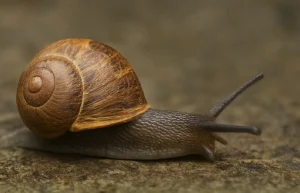
- Slow-moving mollusks feeding on leaves and stems
- Identified by slime trails and irregular holes
- Damage seedlings and tender plants in damp areas
- Control by hand-picking, copper tape barriers, and safe baits

Yates Snail & Slug Bait
$12.90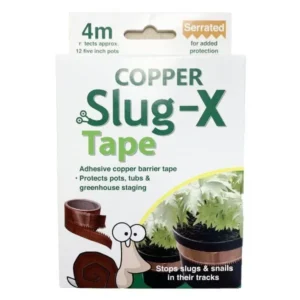
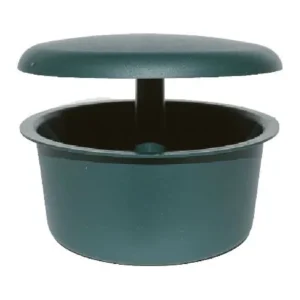
Slug and Snail Plant Protection Kit – 4 pack
4 reviews Original price was: $24.95.$19.90Current price is: $19.90.3) Caterpillars
Caterpillars are the larval stage of butterflies and moths, recognizable by their segmented bodies and usually visible chewing damage on leaves. In Australian gardens, caterpillars on plants Australia-wide can defoliate young plants rapidly. They are identified by chewed leaves, droppings, and the caterpillars themselves.
Managing caterpillars often involves natural methods like encouraging birds and parasitic wasps, which feed on larvae. Homeowners can also manually remove feeding caterpillars or use organic treatments such as Bacillus thuringiensis (Bt). Prompt action helps minimise crop and ornamental plant losses and keeps gardens looking healthy.
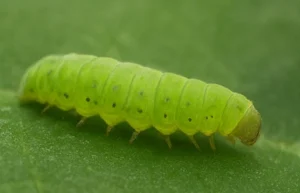
- Larvae with segmented bodies causing chewing damage
- Identified by leaf holes, droppings, and visible caterpillars
- Can rapidly defoliate young plants
- Manage with birds, Bt, and manual removal
4) Whiteflies
Whiteflies are tiny, white, moth-like insects that cluster under leaves and feed on plant sap. Identifying whiteflies in Australia involves looking for their flight when leaves are disturbed and seeing sticky honeydew residues. Whiteflies cause leaf yellowing, wilting, and reduced growth, making them significant Australian garden pests.
Controlling whiteflies involve approaches such as introducing predatory insects like lacewings, spraying with insecticidal soaps or neem oil, and maintaining good plant health to resist infestations. Balancing chemical and ecological methods ensures effective whiteflies control Australia-wide while protecting beneficial organisms.
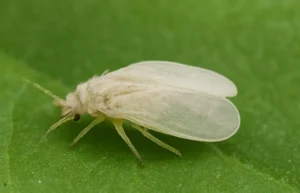
- Small white moth-like insects feeding on sap
- Identified by white clusters and sticky honeydew
- Cause yellowing, wilting, and stunted growth
- Control with insecticidal soap, neem oil, and predators
5) Mealybugs
Mealybugs are small, white, cotton-like pests that gather in clusters on plant stems and leaves. Identifying mealybugs includes spotting their fluffy, waxy coating and sticky residue. Mealybugs weaken plants by sucking sap and excreting honeydew, which encourages sooty mold growth.
Homeowners can quickly manage mealybugs by wiping them away with alcohol-soaked cotton buds or using horticultural oils and insecticidal soaps. Prompt attention is important as mealybug outbreaks can spread rapidly if untreated, compromising plant health.

- White cottony pests sucking sap from plants
- Identified by waxy coating and sticky residue
- Encourage sooty mold via honeydew secretion
- Manage with alcohol wipes, horticultural oils, and soaps
6) Scale Insects
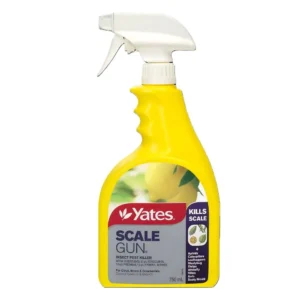
Scale insects are small, oval pests that attach themselves to plant stems and leaves, often covered by hard or waxy shells. Identifying of scale insects on planys involve noticing scale-like bumps and yellowing or dropping leaves. Scale insects damage plants by draining sap and reducing vigour.
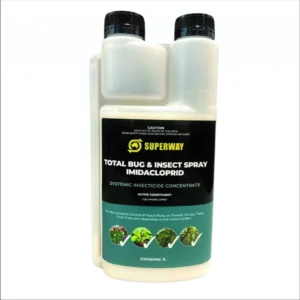
Controlling scale insects usually involve manually scraping scales from branches or applying horticultural oils that suffocate them. Systemic insecticides may be necessary in severe infestations but should be used with care to protect beneficial insects. Regular monitoring is effective to catch and manage scale early.
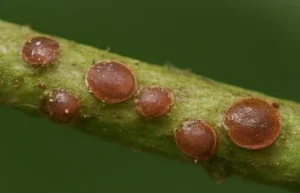
- Small, shell-covered pests feeding on plant sap
- Identified by bumps on stems and leaves
- Cause yellowing, wilting, and leaf drop
- Control by scraping, applying oils, or insecticides


7) Grasshoppers
Grasshoppers in Australian gardens are highly destructive due to their chewing mouthparts and ability to feed on a wide variety of foliage, flowers and stems, causing widespread defoliation. Identifying grasshoppers includes seeing noticeable holes in leaves and spotting the insects themselves.
Homeowners can reduce grasshopper damage by encouraging birds and other natural predators, manually removing them, or applying organic insecticides that are safe for the garden environment. Maintaining garden diversity and good soil conditions also helps deter large infestations, supporting overall garden pest control Australia.
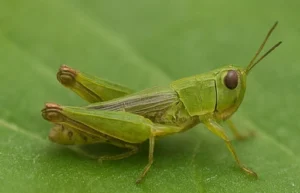
- Large jumping insects with chewing mouthparts
- Identified by holes in leaves and visible insects
- Cause widespread plant defoliation
- Manage with predators, manual removal, and organic insecticides
8) Spider Mites
Spider mites are tiny arachnids barely visible to the naked eye that create fine webs on plant leaves. Garden pest identification in Australia includes looking for stippled, yellowing leaves and delicate webs. Spider mites cause leaf discoloration and premature leaf drop.
Control methods for spider mites focus on natural garden pest control techniques such as regular misting to increase humidity, spraying plants with insecticidal sprays or oils, and introducing predatory mites. Early detection and management help prevent widespread webbing and plant damage.
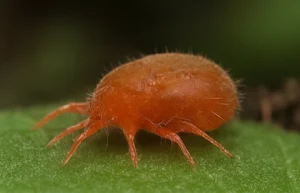
- Tiny spider-like pests causing yellow, stippled leaves
- Identified by fine webs on leaves
- Cause leaf discoloration and early leaf drop
- Control with misting, insecticidal soap, and predators
9) Thrips
Thrips are slender, small insects with fringed wings that feed by puncturing plant cells and sucking out contents. Identification involves spotting silvery patches or distorted flowers and leaves. Thrips on plants cause discoloration, scarring, and poor growth.
Homeowners can manage thrips by removing heavily infested leaves, spraying with neem oil or insecticidal soap, and fostering beneficial insects that prey on thrips. Such balanced methods reduce damage while maintaining garden health and biodiversity.
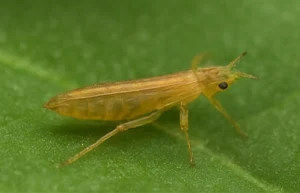
- Small slender insects causing silvery leaf scars
- Identified by discoloured, distorted leaves and flowers
- Cause scarring and poor plant growth
- Control with neem oil, leaf removal, and beneficial predators
10) Lawn Grubs
Lawn grubs are the larvae of beetles found in soil, feeding on grassroots and causing brown patches. Look for spotting irregular brown areas in your lawn or turb, and creamy white grubs when digging up turf. Lawn grubs damage lawns by killing grass roots, leading to thinning and dead patches.
Homeowners can treat lawn grubs with biological controls such as nematodes that infect and kill grubs. Maintaining healthy lawn care practices like proper watering, mowing, and aeration reduces grub survival. Early detection and treatment are essential for keeping lawns lush and pest-free.
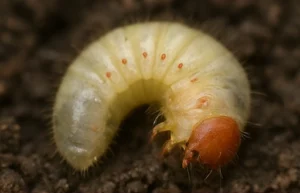
- Beetle larvae feeding on grassroots causing brown patches
- Identified by damaged turf and white, C-shaped grubs
- Cause lawn thinning and dead patches
- Treated with nematodes, proper lawn care, and aeration

Keeping a healthy garden can be challenging, especially with the wide range of common garden pests in Australia. From sap-sucking insects to leaf-chewing caterpillars, these Australian garden pests can quickly damage plants if not properly identified and managed.
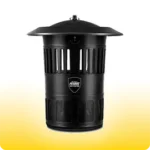 Mosquito Traps