





Liquid Fertiliser Guide: Benefits, Types & Application Tips for Healthier Plants


Liquid Fertiliser Guide: Benefits, Types & Application Tips for Healthier Plants
Liquid fertilisers are a nutrient-rich solutions designed to feed plants quickly and efficiently. Unlike granular fertilisers that need time to break down in the soil, liquid fertilisers deliver essential nutrients directly to plant roots or foliage in a readily available form.
Because of their fast action and ease of use, liquid fertilisers are popular among gardeners, landscapers, and farmers looking to improve plant health, enhance flowering and fruiting, and maintain lush lawns efficiently.
This blog provides a comprehensive guide to liquid fertilisers, covering their benefits, types, application methods, and tips for choosing the best liquid fertiliser to support healthier plants and greener lawns.
Top 6 Benefits of Liquid Fertiliser for Healthier Plants and Lawns

1) Quick nutrient uptake
Because nutrients are dissolved in water, plants absorb them faster through both roots and leaves, especially when applied as foliar liquid fertiliser.
2) Corrects nutrient deficiencies
An immediate remedy when plants show symptoms like yellowing leaves or slow growth.
3) Flexible application methods
Can be applied via sprinklers, drip irrigation, or hand-watering, ensuring nutrients reach directly where needed.
4) Consistent feeding
Frequent, lighter applications provide steady growth compared to one-time heavy doses with granular fertilisers.
5) Suitable for lawns and gardens
Liquid fertiliser for lawns promotes lush greenery, while vegetable growers rely on it for healthy, productive plants.
6) Improves soil activity
Organic liquid fertiliser varieties encourage microbial life, enhancing long-term soil fertility.
Types of Liquid Fertilisers and Their Uses
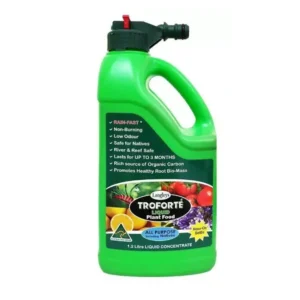
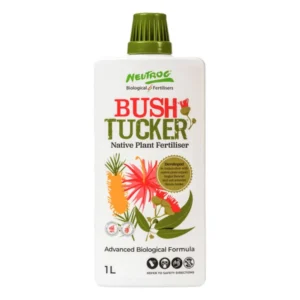
Liquid fertilisers come in many formulations, each tailored to meet specific plant requirements. Understanding the differences helps you choose the best liquid fertiliser for plants, lawns, and specialised crops. Below are the most commonly used categories:
General-Purpose Liquid Fertilisers
These balanced, all purpose fertiliser blends provide a wide mix of essential nutrients such as nitrogen (N), phosphorus (P), and potassium (K). They are suitable for everyday gardening and are commonly used for vegetables, ornamental plants, and potted indoor plants. Because they are versatile, general-purpose liquid fertilisers are often the first choice for beginners.
General-Purpose Liquid Fertilisers Are Best For: Everyday use on vegetables, fruit trees, ornamental plants, and potted indoor plants that need regular balanced nutrition.
Organic Liquid Fertilisers
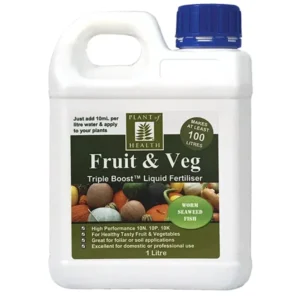
Organic liquid fertiliser options are derived from natural sources such as compost tea, fish emulsion, worm castings, and manure extracts. These products not only supply nutrients but also enhance soil structure, microbial activity, and long-term fertility. Gardeners who prefer a chemical-free approach often choose organic liquid fertilisers to nourish edible crops like herbs and vegetables.
Organic Liquid Fertilisers Are Best For: Edible crops such as herbs, leafy greens, and vegetables. Also recommended for gardeners who prefer chemical-free plant care and want to improve long-term soil fertility.
Liquid Seaweed Fertiliser
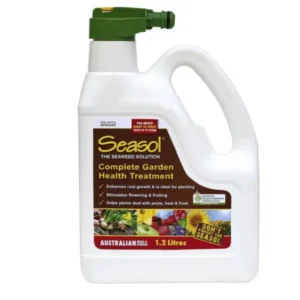
One of the most popular natural options, liquid seaweed fertiliser is rich in trace elements, vitamins, and plant growth regulators such as auxins and cytokinins. It is often used to improve root strength, encourage flowering, and help plants withstand drought, frost, or pest stress. Many growers consider liquid seaweed fertiliser the best liquid fertiliser for long-term plant resilience and overall soil health.
Liquid Seaweed Fertiliser Are Best For: Flowering plants, fruiting plants, shrubs, stressed gardens, and lawns needing recovery. Particularly effective for orchids, roses, citrus, and newly transplanted seedlings.
Micronutrient Liquid Fertilisers
In addition to the major nutrients, some plants require micronutrients such as iron, magnesium, zinc, and boron. Micronutrient liquid fertilisers target these specific deficiencies and are often used in orchards, vineyards, or crops that rely heavily on trace minerals for production. Gardeners may also use them to treat conditions like iron chlorosis in citrus and ornamental plants.
Micronutrient Liquid Fertilisers Are Best For: Citrus trees (iron deficiencies), orchids (magnesium boost), flowering ornamentals, and fruiting plants like grapes or berries requiring zinc and boron for productivity.
Liquid Fertilisers for Lawns
Special formulations exist for turf, often containing higher levels of nitrogen to promote rapid green growth, density, and recovery from wear. Liquid fertiliser for lawns is commonly applied through hose-end sprayers, allowing for even coverage across large areas. Many homeowners use them throughout spring and summer for a healthy, vibrant lawn.
Liquid Fertilisers for Lawns Are Best For: Lawns in need of revitalisation, newly-seeded turf for faster establishment, or existing lawns that require seasonal feeding during spring and summer.
Specialised and Crop-Specific Liquid Fertilisers
Some products are designed for specific plant groups or stages of growth, with adjusted ratios of NPK and micronutrients.
Best for:
-
Tomatoes and capsicums: Potassium-rich blends for fruit development.
-
Flowering plants (roses, orchids): Phosphorus-heavy fertilisers for bigger, longer-lasting blooms.
-
Citrus and fruit trees: Balanced NPK solutions with added magnesium and trace elements for consistent fruiting.
-
Seedlings and young plants: Gentle organic liquid fertilisers that promote root development without burning delicate growth.
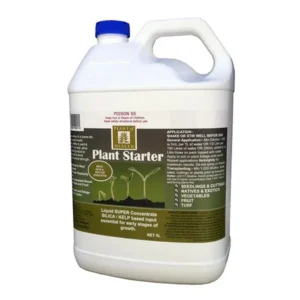
Forms of Liquid Fertilisers: Solutions, Suspensions, and More
Liquid fertilisers are not all the same. They come in several forms that differ in nutrient concentration, storage, and application methods. Knowing which form to choose is essential when deciding on the best liquid fertiliser for your plants or lawns. Below are the main forms available and how they are used in gardens, lawns, and agriculture.
Solution Concentrates
Solution concentrates are clear fertilisers where nutrients are fully dissolved in water. They are easy to mix, consistent in nutrition, and quickly absorbed by plants. Most commercial and home garden liquid fertilisers are sold in this form.
-
Advantages: Simple to measure and dilute, suitable for most watering methods, ensures even nutrient distribution.
-
Limitations: Nutrient content may be slightly lower than suspensions, meaning more frequent applications may be needed.
Solution Concentrates are Best For: General home gardens, lawns, hydroponics, and indoor plant feeding where convenience and fast uptake are priorities.
Suspension Concetrate Fertilisers
Suspension concentrate liquid fertilisers are thicker and contain fine, undissolved nutrient particles suspended in liquid. This allows them to carry higher nutrient loads in one application compared to clear solutions. However, they require constant agitation before and during use to prevent settling.
-
Advantages: High nutrient concentration, efficient for large-scale or high-demand crops.
-
Limitations: Require specialised equipment for mixing and application, not ideal for small-scale gardeners.
Suspension Concentrates Are Best For: Commercial farms, orchards, and large turf areas where intensive feeding is needed and professional spraying equipment is available.
Emulsion Concentrate Fertilisers
Emulsions are blends made by combining nutrient-rich liquids with organic bases such as fish emulsion or plant extracts. They deliver both readily available minerals and beneficial organic compounds for soil health and root development.
-
Advantages: Provide quick nutrition while improving soil biology; often a sustainable or organic liquid fertiliser option.
-
Limitations: May have a stronger odour; nutrient balance varies depending on the organic source.
Emulsion Concentrate Liquid Fertilisers Are Best For: Organic vegetable gardens, seedlings, and soils that require both feeding and conditioning. Also ideal for growers looking for eco-friendly fertiliser application methods.
Ready-to-Use (RTU) Liquid Fertilisers
These fertilisers are diluted to a safe strength and supplied in spray bottles or containers with no mixing required. They are convenient, time-saving, and minimise the risk of over-fertilisation.
-
Advantages: Very user-friendly, perfect for beginner gardeners, no dilution errors.
-
Limitations: More expensive per litre than concentrates; less practical for larger garden spaces.
Ready To Use Liquid Fertilisers Are Best For: Indoor plants, balcony gardens, small lawns, and gardeners who prefer a quick and simple solution for nourishing their plants.
Foliar Spray Blends
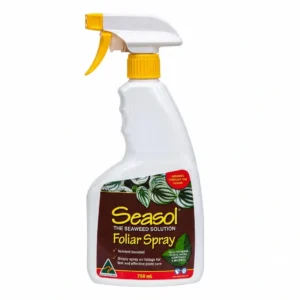
Foliar liquid fertilisers are specifically designed for spraying directly onto leaves. Nutrients are absorbed via leaf pores (stomata), allowing plants to quickly correct visible deficiencies such as pale foliage, poor fruit set, or stunted growth.
-
Advantages: Provides an immediate boost, helps during stressful growth conditions, especially drought or poor soil absorption.
-
Limitations: Short-term effect; still requires soil fertilisation for long-term results.
Foliar Spray Fertilisers Are Best for: Correcting visible deficiencies in vegetables, fruit trees, and flowering ornamentals. Especially useful during key growth stages such as flowering and fruiting.
Specialised Liquid Blends
Beyond standard formulations, some fertilisers are developed for specific purposes – for example, liquid fertiliser for lawns with extra nitrogen, or hydroponic blends tailored to soilless growing systems. These ensure plants receive focused nutrition without unnecessary additives.
-
Advantages: Tailored nutrition means better results for specific plant groups.
-
Limitations: Not as versatile across multiple plant types; may need more than one product for a diverse garden.
Specialised Liquid Fertilisers Are Best for: Lawns needing nitrogen-rich feeding, hydroponic growers, citrus orchards, or specialised crops like orchids or tomatoes.


Application Tips for Liquid Fertiliser: How to Use It Correctly
Knowing how to use liquid fertiliser correctly is just as important as choosing the right product. Applying fertiliser in the right way ensures nutrients reach plants effectively, prevents waste, and avoids issues like leaf burn or nutrient runoff. Here are key application tips to make the most of liquid fertilisers for plants, gardens, and lawns.
Dilution and Mixing
Most liquid fertilisers are supplied as concentrates that must be diluted with water before use. Always follow the manufacturer’s directions carefully, as overdilution may weaken the feed while under-dilution can cause root or leaf burn.
-
Use clean water for mixing, ideally non-chlorinated if available.
-
Stir or shake thoroughly to ensure an even distribution of nutrients.
-
For suspension fertilisers, keep the mixture agitated during use to avoid settling.
Tip: Never guess dilution ratios — measure properly to ensure safe and consistent feeding.
Timing of Application
Applying fertiliser at the right time of day and growth stage significantly improves results.
-
Early morning or late afternoon is best to reduce evaporation and avoid leaf burn, particularly for foliar liquid fertilisers.
-
Apply during active growth phases such as spring and early summer, when plants need additional nutrition.
-
Avoid fertilising stressed plants during extreme heat or drought unless using gentle options like organic liquid fertiliser or liquid seaweed fertiliser.
Best practice: Fertilise after watering, ensuring roots can take up nutrients efficiently.
Frequency and Scheduling
Unlike granular fertilisers that are applied less often, liquid fertilisers work best with regular, lighter applications.
-
General guideline: Every 2–4 weeks for most garden plants.
-
Heavy feeders (tomatoes, lawns, citrus): May benefit from weekly applications with diluted liquid fertiliser for plants or lawns.
-
Ornamental plants: Apply fortnightly during their flowering cycles for consistent blooms.
Consistency is critical — smaller, steady applications deliver better results than occasional heavy doses.
Application Methods
Different fertiliser application methods suit different plants, spaces, and situations:
-
Watering can or hose-end sprayer: Best for garden beds, vegetables, and lawns, ensuring even nutrient coverage.
-
Drip irrigation systems: Ideal for efficient large-scale or commercial applications.
-
Foliar spray: A fast-acting method for correcting deficiencies; ensure even leaf coverage without dripping.
-
Spot feeding: Focus on the base of nutrient-hungry plants such as roses, citrus, or potted ornamentals.
Note: For lawns, use a well-calibrated hose-on applicator to ensure uniform coverage and prevent patchy growth.
Plant and Soil Considerations
The effectiveness of liquid fertiliser also depends on soil conditions and plant type.
-
Always check soil moisture — applying to dry soil may limit nutrient uptake.
-
Tailor the mix: nitrogen-rich blends are ideal for leaf crops or lawns, while potassium-rich liquid fertilisers work best for fruiting and flowering plants.
-
Rotate between synthetic and organic liquid fertilisers (such as liquid seaweed fertiliser) to balance immediate nutrition with long-term soil health.
Safety and Environmental Tips
Fertiliser misapplication can harm both plants and the environment.
-
Do not overfertilise — excess nutrients can leach into groundwater or damage roots.
-
Store liquid concentrates in a cool, dry place out of direct sunlight.
-
Wear gloves and protective eyewear for concentrated mixing.
-
Rinse equipment thoroughly after use to avoid residue buildup.
Choosing the Right Liquid Fertiliser for Your Plants

Selecting the best liquid fertiliser for your plants involves understanding their specific needs and matching those with the right product. Here’s a simple guide to help you make an informed choice:
1. Identify Plant Nutritional Needs
-
-
Leafy plants and lawns: Require nitrogen-rich liquid fertilisers to encourage lush green foliage and vigorous growth.
-
Flowering and fruiting plants: Benefit from higher phosphorus and potassium content to promote blooms, fruit set, and overall plant health.
-
Stressed or recovering plants: Often respond well to organic liquid fertilisers or liquid seaweed fertiliser for improved resilience.
-
2. Choose Between Organic and Synthetic Options
-
-
Organic liquid fertiliser:
-
Made from natural ingredients like compost extracts, fish emulsion, and seaweed.
-
Improves soil biology while feeding plants.
-
Ideal for sustainable gardening and edible crops.
-
-
Synthetic liquid fertiliser:
-
Provides quick nutrient availability and precise formulations.
-
Suitable for rapid growth and correction of deficiencies.
-
-
3. Match Fertiliser Form to Application Preference
-
-
Foliar liquid fertiliser: Best for fast correction of nutrient deficiencies via direct leaf feeding.
-
General-purpose liquid fertilisers: Suitable for regular feeding of a variety of plants through watering or spraying.
-
4. Test Your Soil
-
-
Conduct soil testing to understand nutrient levels and pH.
-
Adjust fertiliser type and application rate based on test results to avoid overfeeding or nutrient imbalances.
-
To nurture vibrant, healthy plants and lush lawns, choosing the right liquid fertiliser and applying it correctly is essential—empower your garden with the knowledge and tools to thrive season after season.
Read more from Pestrol:
- Top 7 Best Liquid Fertilisers for Different Types of Plants
- The Best Season for Fertiliser: Feeding Your Garden in Spring
- Potassium Fertiliser: What You Need To Know For Better Plant Growth
- Nitrogen Fertiliser: Benefits, Uses & Best Practices for Healthy Plant Growth
- Phosphorus in Fertilisers: Importance, Benefits and Best Practices for Garden Health
- Spring Gardening Tips
 Mosquito Traps