





Phosphorus in Fertilisers: Importance, Benefits and Best Practices for Garden Health


Phosphorus in Fertilisers: Importance, Benefits and Best Practices for Garden Health
Phosphorus in fertilisers plays a critical role in modern agriculture. As one of the three essential macronutrients required by plants—alongside nitrogen and potassium (“NPK”) —phosphorus ensures healthy root development, early plant vigor, and strong crop yields. The use of phosphorus fertiliser has helped farmers worldwide achieve higher productivity, but it comes with both opportunities and challenges.
For farmers, gardeners, and agricultural professionals, understanding the role of phosphorus in plant growth is key to making informed choices.
What is Phosphorus?

Phosphorus is a chemical element and a vital macronutrient needed for plant development. It is most commonly taken up from the soil in the form of phosphate ions. In agriculture, maintaining optimal phosphorus in soil fertility is crucial because phosphorus availability directly impacts plant productivity and crop health.
Unlike nitrogen, which can be fixed from the atmosphere, phosphorus originates from mineral sources such as phosphate rock. Because natural reserves are finite, the use of sustainable phosphorus fertilisers and effective management practices are becoming increasingly important for global food production.
Benefits of Phosphorus for Plant Health
Phosphorus is a vital nutrient that underpins both healthy plant development and high crop productivity. It supports key physiological and biochemical functions that enable plants to grow strong, resist stress, and produce abundant, quality yields. Efficient use of phosphorus in fertiliser is essential for optimizing plant health and maximizing agricultural output while maintaining soil fertility.
-
Energy transfer: Phosphorus is fundamental for the production of ATP, the energy carrier that powers essential cellular processes and plant growth.
-
Genetic and metabolic functions: As a core component of DNA, RNA, and proteins, phosphorus supports cell division, development, and overall metabolic activities.
-
Strong root development: It encourages the growth of deep and extensive root systems, improving nutrient and water absorption efficiency.
-
Structural support and resilience: Phosphorus strengthens stems and stalks, enhancing plant stability and resistance to diseases and environmental stresses such as drought and salinity.
-
Enhanced reproductive growth: Promotes flower formation, seed development, and fruiting, which are crucial for achieving higher yields.
-
Uniform and faster maturity: Helps crops mature evenly and more quickly, allowing timely harvesting and better crop management.
-
Improved crop quality: Leads to healthier plants and higher nutritional value in the harvested produce, increasing marketability.
-
Yield optimization: Prevents common deficiencies that cause stunted growth and poor grain filling, helping plants reach their full genetic yield potential.
-
Sustainable soil fertility: Supports balanced nutrient management and reduces the risk of over-fertilisation, contributing to long-term agricultural sustainability.

Plants That Like Phosphorus:
-
Legume crops (e.g., chickpeas, faba beans, field peas) benefit from phosphorus for improved nitrogen fixation and root growth.
-
Fruit trees such as apples require phosphorus for strong root systems, flowering, and fruit development.
-
Root vegetables like carrots and radishes rely on phosphorus for healthy root formation and sugar accumulation.
-
Berry plants (e.g., raspberries) need phosphorus to develop healthy fruits and robust roots.
-
Vegetables and flowering plants generally benefit from phosphorus during reproduction to boost flowering and fruit set.
-
Melons and watermelons require phosphorus for larger, sweeter fruits.
-
Herbs like mint benefit from phosphorus to enhance root growth, leaf development, and aromatic oil production.
-
Cereal crops and grains respond well to phosphorus for early growth and higher grain yields.
-
Aloe vera requires phosphorus for carbohydrate synthesis and overall growth support.
Plants That Don’t Like Phosphorus:
-
Plants in the Proteaceae family (including grevilleas, banksias, hakeas, and waratahs) are highly sensitive to phosphorus and can be damaged by high phosphorus levels.
-
Native Australian plants adapted to low-phosphorus soils often require little to no phosphorus supplementation and may suffer from over-fertilisation.
-
Garlic and radishes have relatively low phosphorus needs and can thrive with minimal phosphorus in the soil.
-
Certain rainforest plants and species with specialized root systems are adapted to low-phosphorus environments and can be harmed by excess phosphorus application.
Types of Phosphorus Fertilisers and Their Applications
Phosphorus fertilisers come in different forms, each suited for specific soil types, crops, and farming systems. Choosing the right phosphorus fertiliser is essential for maximizing nutrient availability, crop uptake, and overall yield.
Superphosphate (Single or Triple)
Single superphosphate (SSP) and triple superphosphate (TSP) are among the most widely used phosphorus fertilisers. SSP contains about 9-12% phosphorus and also includes sulfur, which can benefit sulfur-deficient soils. Triple superphosphate is more concentrated, with around 44-46% phosphorus, providing a highly soluble and readily available phosphorus source. These fertilisers are ideal for quick phosphorus supply to crops, especially in soils where immediate nutrient availability is critical for early growth stages.
Diammonium Phosphate (DAP)
DAP is a popular phosphorus fertiliser because it provides both phosphorus (about 18%) and nitrogen (approximately 21%), making it a dual-nutrient product. This makes it especially useful for cereal crops like wheat, maize, and barley, which have high nitrogen and phosphorus demands. DAP is highly soluble and is typically applied at or near planting to promote strong early root and shoot development.
Monoammonium Phosphate (MAP)
MAP contains slightly less nitrogen (around 12%) than DAP but has a similar phosphorus content (roughly 11%). It is preferred in cases where moderate nitrogen input is desirable — for example, in acidic soils where high nitrogen rates can increase acidity further. MAP is often used in soils requiring phosphorus fertiliser without excessive nitrogen, making it well-suited for balanced nutrient management plans.
Rock Phosphate
Rock phosphate is a natural mineral source of phosphorus and releases it slowly over time as it breaks down in the soil. Typically, rock phosphate contains 20-35% phosphorus but is less soluble, so it is not effective for immediate crop needs but is great for long-term soil fertility improvement. It is widely used in organic or sustainable farming systems where slow nutrient release and minimal environmental impact are priorities. Rock phosphate works best in acidic soils where its availability is enhanced by soil acidity.
Organic Sources
Phosphorus can also be supplied through organic amendments such as compost, manure, bone meal, and other recycled organic materials. These sources release phosphorus gradually as organic matter decomposes, improving soil health along with nutrient supply. Organic phosphorus sources promote microbial activity and enhance soil structure but may provide less predictable phosphorus availability compared to mineral fertilisers. They are a key component of sustainable fertiliser management and are especially favored in organic agriculture.
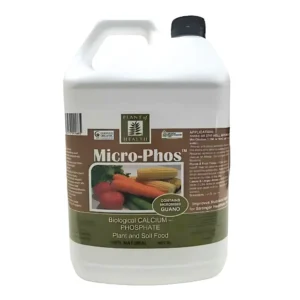


Choosing the Best Phosphorus Fertiliser for Your Crops
Selecting the best phosphorus fertiliser for your crops is crucial to ensure optimal nutrient availability, improve phosphorus uptake efficiency, and boost crop productivity. The right choice depends on several important factors that influence how phosphorus behaves in the soil and how effectively plants can access it.

Soil Type
Soil texture and chemistry play a central role in phosphorus availability. Sandy soils tend to have low nutrient-holding capacity and often require more frequent applications of highly soluble phosphorus fertilisers, such as Diammonium Phosphate (DAP) or Monoammonium Phosphate (MAP), to maintain adequate supply to crops. In contrast, clay soils and acidic soils often bind phosphorus more tightly, reducing its availability. For these soils, slower-release fertilisers like rock phosphate or superphosphates can be more effective because they release phosphorus gradually and avoid losses due to fixation. Understanding your soil’s characteristics through testing can guide appropriate fertiliser selection.
Crop Phosphorus Demand
Different crops exhibit varied phosphorus requirements based on their growth habits and nutrient needs. High-demand crops including cereals (wheat, maize, barley) and fruit trees have intensive phosphorus needs during early root establishment, flowering, and fruit development. These crops benefit most from highly soluble phosphorus sources like DAP and triple superphosphate (TSP) that provide immediate nutrient availability. Conversely, lower-demand crops or those grown in organic systems often thrive with slow-release or organic phosphorus sources, which supply nutrients steadily over time and support long-term soil health.
Local Climate
Climate conditions, particularly temperature and moisture, affect nutrient release and crop uptake rates. In warmer and wetter climates, phosphorus from both mineral and organic fertilisers is released faster through microbial activity and chemical processes. This can make quick-release fertilisers more efficient for meeting immediate crop needs. However, in cooler or drier areas, slow-release sources such as rock phosphate or organic amendments may offer better performance by preventing nutrient losses and supplying nutrients steadily throughout the growing season. Choosing a fertiliser that matches your local climate helps maintain balanced phosphorus levels and reduces waste.
Sustainability Goals
Sustainability considerations are increasingly important in fertiliser choices. Organic farming systems and environmentally sensitive zones often prefer organic phosphorus sources, such as composted manure or bone meal, or naturally occurring rock phosphate. These options minimize nutrient runoff and reduce environmental impact. They also promote biodiversity and soil microbial health, contributing to sustainable soil fertility management. Farmers aiming for sustainable production should balance phosphorus efficiency with ecosystem protection by selecting fertilisers that align with their environmental goals.
Challenges and Environmental Concerns with Phosphorus Fertiliser Use
While phosphorus fertilisers offer significant benefits in enhancing crop productivity and soil fertility, their misuse or over-application can lead to serious environmental challenges. Understanding and addressing these concerns is vital to ensure sustainable agricultural practices and protect natural ecosystems.

Nutrient Runoff and Waterway Pollution:
Excess phosphorus applied to fields that is not absorbed by plants can leach into nearby water bodies through surface runoff or drainage. This nutrient overload fosters excessive algae growth, known as eutrophication, which depletes oxygen in aquatic environments, harms aquatic life, and disrupts ecosystems. Algal blooms can also produce toxins that affect drinking water quality and recreational water use, posing risks to human and animal health. Minimizing phosphorus runoff is therefore critical for water management and environmental protection.
Long-term Soil Phosphorus Build-up:
Repeated phosphorus application without proper soil testing can result in nutrient accumulation beyond what crops require. This build-up reduces phosphorus fertiliser efficiency because phosphorus becomes bound in forms unavailable to plants, potentially leading to diminished returns on fertiliser investments. Additionally, high soil phosphorus levels increase the risk of phosphorus loss through runoff or erosion, compounding environmental problems. Monitoring and managing soil phosphorus levels help maintain balanced fertility and optimise cost-effectiveness.
Rising Dependency on Non-renewable Phosphate Rock:
Phosphate rock, the primary raw material for most mineral phosphorus fertilisers, is a finite resource concentrated in a few countries worldwide. Increasing global demand for phosphorus fertilisers raises concerns about the sustainability of phosphate rock supplies and potential price volatility. Encouraging efficient phosphorus use, recycling, and development of alternative phosphorus sources are essential to mitigate this dependency and ensure long-term agricultural productivity.
Best Practices for Efficient Phosphorus Fertiliser Management
To reap the full benefits of phosphorus in fertilisers and minimize environmental risks, farmers and agricultural professionals should implement best management practices that promote targeted, efficient, and sustainable phosphorus use.

-
Conduct Soil Tests:
Regular testing helps match phosphorus applications to soil needs, preventing over- or under-fertilisation and improving crop response. -
Use Precision Placement:
Applying fertiliser near plant roots via banding or localized methods increases nutrient uptake and reduces losses. -
Time Applications Correctly:
Align fertiliser use with key growth stages like early root development to enhance absorption and yield; split applications can further improve efficiency. -
Incorporate Crop Rotations:
Including legumes and deep-rooted plants boosts soil health, phosphorus availability, and reduces reliance on synthetic fertilisers. -
Choose Efficient Fertilisers and Recycle Organics:
Select fertiliser types suited to soil and crops, and recycle organic phosphorus sources like compost and manure to support soil microbes and sustainable nutrient cycling.
Phosphorus fertilisers are vital for boosting crop yields by promoting strong root growth, energy transfer, and healthy plant development. Harnessing their power helps farmers grow thriving, productive crops and achieve better harvests year after year.
 Mosquito Traps