





The Best Season for Fertiliser: Feeding Your Garden in Spring


The Best Season for Fertiliser: Feeding Your Garden in Spring
Understanding the best season for fertiliser is critical for lush, healthy gardens. Generally, spring stands out as the ideal time to fertilise most plants, especially in regions like Australia, where the weather triggers robust plant growth. Knowing when to fertilise plants sets the stage for strong roots, abundant flowers, and a vibrant green landscape throughout the year.
Optimising the timing ensures you’re using the best time of year to use fertiliser, boosting both short-term results and long-term garden vitality.
Why Spring Is The Best Season To Apply Fertiliser

Spring marks the beginning of the most active and rewarding period in the garden. As the weather warms up and daylight hours increase, plants and lawns emerge from winter dormancy and enter a critical phase of new growth rapidly developing leaves, stems, and roots. This makes spring the perfect time to apply fertilisers to support plant development and set the stage for a healthy, flourishing garden. Fertilising in spring aligns with your plants’ natural growth cycles, while soil and climate conditions enhance nutrient uptake—making it the most effective season for feeding your garden.

Spring Fertilising Kickstarts Post-Winter Plant Growth
As plants emerge from dormancy, spring is the best time of year to use fertiliser to revitalise growth and restore depleted soil nutrients. Winter can leave soil compacted and lacking in essential elements, so a targeted fertiliser application helps recondition the soil, stimulate microbial activity, and fuel early plant development. This balanced, early-season nutrition promotes strong shoot growth and prepares crops, lawns, and garden beds for a productive season ahead.

Soil Temperatures in Spring Are Ideal for Nutrient Uptake
Fertiliser is most effective when plants can absorb nutrients efficiently. In spring, soil temperatures begin to rise into the optimal range for root activity, allowing plants to readily take up nitrogen, phosphorus, and potassium. Warmer soils also increase microbial activity, which helps unlock essential nutrients in the soil. This makes spring the best time to use fertiliser for both immediate and long-term growth.

Fertilising in Spring Supports Strong Root and Shoot Establishment
The early growth phase is crucial for building a strong foundation. Applying fertiliser during this period ensures that young roots and new shoots have access to the nutrients they need for rapid, balanced development. By aligning application with this stage, you’re nourishing plants precisely when they need it most, reinforcing the fact that spring is the best season for fertiliser applications.

Spring Feeding Reduces Nutrient Loss and Runoff
Cooler temperatures and moderate rainfall typical of spring reduce the chances of fertilisers washing away before plants can use them. Compared to summer storms or dry winter soils, spring conditions reduce volatilisation and nutrient leaching into groundwater. This makes fertilising now not only more effective but also more environmentally responsible—especially when considering when to fertilise plants in Australia’s seasonal context.

Increased Fertilising Yields for Crops and Lawns in Spring
Spring fertilising plays a central role in maximising lawn thickness and crop productivity. Grasses respond quickly to nitrogen-rich fertilisers in spring, producing lush turf and preventing weed invasion. Similarly, for garden beds and vegetable patches, early-stage nutrition allows for higher yields later in the season.

Spring Fertilising Builds Stronger Resistance and Recoverability
Applying fertiliser in spring strengthens root systems, boosts disease resistance, and prepares plants to withstand seasonal stressors like drought, pests, and temperature extremes. By nourishing plants early in the season, you enhance their ability to recover from pruning or environmental shifts and build lasting resilience ahead of harsher conditions—making spring the best time of year to use fertiliser to support long-term plant health.
Key Plants That Need Fertiliser in Spring for Optimal Growth
Not all plants have the same nutrient requirements, and timing fertiliser applications to support seasonal growth is essential. Knowing what plants need fertiliser for spring helps you get the most out of your garden by ensuring every plant receives the right boost at the right time. For most common garden plants, spring is the best season for fertiliser, as it’s when they enter their active growth phase and start preparing for flowering, fruiting, and structural development.
These are the key plant types that benefit most from a spring feed:

Flowering Annuals & Perennials
As these plants prepare to bloom, they need a steady supply of nutrients—especially phosphorus and potassium—to encourage strong bud formation and vibrant flowering. Spring fertilising helps them develop lush foliage and supports a longer, more consistent blooming period. For best results, use a balanced, slow-release fertiliser.

Fruit Trees and Vines
Fruit trees, berry bushes, and grapevines use early spring to develop buds, blossoms, and the beginnings of fruit sets. Providing nutrients now ensures they have the energy for flowering and fruit production. Spring is the best time to use fertiliser rich in potassium for improved fruit quality and yield.

Vegetable Gardens
Your veggie patch needs early-season support—especially crops like tomatoes, spinach, lettuce, and broccoli. These are heavy feeders and rely heavily on nitrogen and other macronutrients to grow rapidly during spring. If you’re asking, “when do I fertilise my plants?”, the answer for vegetables is early spring and then regularly during the growing season.

Lawns
Most turf grasses, particularly warm-season varieties like buffalo and kikuyu, thrive when fertilised in spring. A nitrogen-rich lawn fertiliser encourages fast green-up, reduces patchiness, and supports thicker growth—helping lawns outcompete weeds.

Evergreen Shrubs & Hedges
These structural plants enter strong growth during spring and benefit from light but consistent feeding. Fertilising now helps produce denser, greener foliage and encourages new branching—ideal if you’re shaping or hedging.
Seasonal Timing for When to Fertilise In Spring for Best Results
Timing your spring fertiliser application is crucial for maximising plant health and ensuring that nutrients are absorbed at the most effective stage of growth. When you fertilise at the right time, you support active root and shoot development, setting the foundation for a lush and productive garden throughout the year.

Early Spring |
Mid Spring |
Late Spring |
|---|---|---|
| Early spring is the ideal time to replenish nutrients lost over winter and stimulate the first flush of growth. This phase sets the foundation for the season ahead. | By mid spring, most plants are in their most active growth phase. Applying fertiliser now helps sustain this momentum and support full, vibrant development. |
The final weeks of spring prepare your garden to transition into summer. Plants benefit from one last round of nutrients to support flowering, fruiting, and resistance to seasonal stress. |
Lawns:Apply fertiliser as soon as the grass begins to green up and resume active growth, usually when soil temperatures consistently reach 10–15°C. Fruit Trees & Vines:Fertilise at bud swell or just before flowering, providing nutrients essential for strong blossoms and early fruit set. Flowering Annuals & Perennials:Begin feeding as soon as new shoots appear. This supports root development and robust early foliage. |
Vegetables:Feed young seedlings or transplants after the second set of true leaves emerges. Perennials and Spring Bulbs:Apply a balanced or slow-release fertiliser once the threat of frost has passed and plants start their main growth spurt. Lawns and Flower Beds (in high traffic or demanding areas):Consider another light fertilising round to meet increasing nutrient demand. |
Cool-Climate Lawns and Gardens:In southern Australia, finish fertilising late September to early October as consistent warmth develops. Highly Productive Crops:Apply a final feeding to heavy feeders—such as tomatoes, squash, and fruiting vines—to support flowering and fruit set through summer. General Maintenance:
|
The Best Fertiliser Types for Gardening in Spring
Choosing the right fertiliser in spring is essential for achieving vigorous plant growth, vibrant blooms, and abundant yields. As plants enter their most active growing phase, they require a balanced and readily available supply of nutrients.
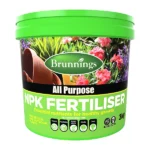
Balanced NPK Fertilisers
Balanced NPK fertilisers provide equal or near-equal parts of nitrogen (N), phosphorus (P), and potassium (K), commonly seen as 10-10-10 or similar. This combination promotes strong leaf growth, root development, and overall plant health—ideal for the rapid growth that occurs in spring. Their quick-release formulas supply immediate nutrients, making them perfect for general gardens, lawns, and fast-growing annuals in early spring.

Slow-Release Fertilisers
Slow-release options are designed to break down gradually, supplying nutrients steadily over several weeks or months.
This is ideal for spring, as it matches nutrient supply with the increasing demands of lawns, perennials, and shrubs throughout the active growth period.
Slow-release fertilisers help minimise nutrient loss from leaching and reduce the risk of overfeeding, leading to healthier and more manageable plants.
Slow release fertilisers are ideal for lawns, shrubs and perennial plants that require consistent feeding.
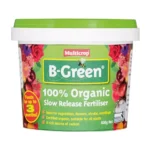
Organic Fertilisers (Compost, Manure, Seaweed)
Organic choices not only provide essential nutrients but also boost soil health by improving structure and enhancing beneficial microbial activity.
In spring, using composted manure, worm castings, or seaweed extracts promotes sustained feeding, builds stronger root systems, and helps soil retain moisture—a significant benefit as the season warms.
Organic fertilisers are best for vegetable gardens, fruit trees and ornaments that need optimal soil health.
Specialised Blends
Specialised fertilisers cater to specific plant needs:
-
Citrus & fruit tree fertilisers are high in potassium for flowering and fruit development.
-
Rose and bloom formulations offer extra phosphorus to fuel prolific flowering.
-
Lawn foods are rich in nitrogen for quick green-up and dense grass.
These are most suited for purpose crops (like lawns and roses) that require tailored nutrient ratios for optimal growth.
Fertiliser Application Tips for Healthier Plants In Spring
Fertilising your garden correctly is the most effective way to set up your plants for vigorous growth, vibrant blooms, and a productive season ahead.
Follow these clear steps and tips to ensure your garden receives the nutrition it needs, right when it matters most

1. Choose the Right Fertiliser
-
Match fertiliser to plant type:
- Flowering Annuals & Perennials: Use a bloom-boosting or balanced fertiliser (e.g. 10-15-10) when new growth appears.
- Fruit Trees & Vines: Apply a potassium-rich, fruit-specific blend at bud swell or pre-flowering.
- Vegetable Gardens: Start with nitrogen-rich fertiliser, then switch to crop-specific blends; feed every 3–4 weeks.
- Lawns: Use a high-nitrogen, slow-release lawn fertiliser early in spring for strong green growth.
- Evergreen Shrubs & Hedges: Apply balanced, slow-release fertiliser; use acid-loving formulas for suitable species.
-
Opt for slow-release or organic options for steady feeding.
-
Always follow the label and use rates suited to your specific plants.
2. Time Your Application Properly
-
Fertilise in early spring as soil warms and plants show new growth.
-
Wait until after frost risk has passed—never fertilise dormant or frost-damaged plants.
-
For vegetables and lawns, use several light doses across the season.
3. Prepare the Soil
-
Loosen the top layer of soil before applying fertiliser to boost absorption.
-
Water the ground lightly a day before fertilising if soil is dry.
4. Apply Fertiliser Evenly
-
Spread granular fertiliser evenly around beds and lawns, avoiding stems and leaves.
-
Dilute liquid fertilisers as directed; apply to soil base or as a foliar spray.
-
Do not exceed recommended rates to prevent plant or environmental harm.
5. Water After Fertilising
-
For granular fertilisers, water thoroughly to move nutrients to the root zone.
-
For liquid fertiliser, use a light watering to help nutrients reach roots without washing away.
6. Mulch for Added Benefit
-
Add mulch after fertilising to conserve moisture, reduce weeds, and keep nutrients near roots.
7. Monitor and Adjust
-
Watch for signs like yellowing leaves or poor growth; adjust your routine if needed.
-
Test your soil periodically to optimise future fertiliser use for spring garden health.
Optimizing your spring fertiliser strategy ensures every plant, from lush lawns to vibrant spring flowers, gets the right nutrients at the right time for maximum beauty and productivity. Use the best spring fertilisers, apply with care, and enjoy the fruits (and flowers) of a thriving spring garden.
 Mosquito Traps