





Late Winter Weed Control: How to Eliminate Weeds Effectively Before Spring


Late Winter Weed Control: How to Eliminate Weeds Effectively Before Spring
As late winter fades and spring approaches, weeds begin to take advantage of warming soil and longer daylight—invading not just lawns but vegetable gardens, flower beds, and landscaped areas. Effective late winter weed control is vital to protect your plants from competing with invasive species for nutrients, moisture, and sunlight. By applying carefully chosen winter grass killers, broad-spectrum winter weed killers, or well-timed pre emergent herbicides, you can manage unwanted growth in all garden areas. Taking action now ensures your entire outdoor space stays healthier and easier to maintain once spring arrives.
Table of Contents
-
-
- Why August Is Crucial for Controlling Weeds Before Spring
- Benefits of Weed Control Right Before Spring
- Key Weeds to Look Out for in Late Winter and Where They Grow
- Choosing the Right Weed Control Products for Late Winter Treatment
- Product Recommendations for Late Winter Weed Control
- How to Apply Weed Killers Effectively in Late Winter
- Common Pitfalls in Late Winter Weed Control and How to Avoid Them
-
Why August Is A Critical Month for Weed Control in Australia
August in Australia signals the transitional period between winter and spring, making it the golden window for weed management. During this time, annual cool-season weeds like winter grass (Poa annua) and broadleaf invaders such as clover and bindii begin to emerge or are in their most vulnerable stages. Strategic weed control in August allows you to apply pre emergent herbicides that stop weed seeds from germinating as the soil warms, especially in lawns likely to be affected by these seasonal culprits.
Soil Temperature Signals Weed Germination
During August, soil temperatures begin to rise steadily after the coldest winter months. This warming signals dormant weed seeds beneath the surface to break dormancy and start germinating. However, at this stage, seedlings are still very young and vulnerable—making it the perfect time to intervene.
Applying winter grass herbicide or other weed treatments now targets weeds at their most susceptible phase, preventing them from establishing deep roots or producing seeds that would lead to future infestations.
Weeds Are Less Established and Easier to Control
In late winter, unwanted plants like winter grass, bindii, and clover are just emerging or still small. These juvenile weeds have less developed root systems and fewer resources, which means they respond better to herbicides and physical removal. Tackling weeds early avoids the common frustration of having to fight mature, tough-to-kill plants later in spring. Proactive lawn weed treatment during August also minimizes competition with your desirable plants during their critical early growth stages, promoting healthier lawns and garden beds.
Focus on Prevention with Pre-Emergent Herbicides
One of the smartest strategies in late winter weed control is to use pre emergent herbicides during August. These products work by forming a barrier in the soil that stops weed seeds from sprouting altogether. Applying pre-emergents at this time significantly reduces the number of new weeds that emerge in spring and summer, reducing the need for repeated treatments later.
This preventive approach saves you time, effort, and money, while maintaining a cleaner, healthier garden environment across all plantings—from lawns to veggie patches.

Benefits of Weed Control Right Before Spring
Applying weed control before spring does more than just boost your garden’s appearance—it gives your plants and soil a head start on healthy, vigorous growth. Proactive weed management in late winter reduces competition for resources, makes your garden easier to maintain, and helps protect against pests and diseases that thrive on weeds.

Here are some key benefits of tackling weeds early in the season:
- Eliminating weeds early: Reduces competition for water, nutrients, and sunlight, giving your plants a stronger start.
- Early control means less herbicide: Leads to fewer chemical treatments required later in the season.
- Weed removal protects soil health: Preserves beneficial microbes and soil structure.
- Fewer weeds improve appearance: Creates tidier, healthier lawns and garden beds.
- Controlling prickly/toxic weeds early: Keeps outdoor spaces safer for children and pets.
- Early weed management reduces pests/diseases: Breaks cycles that threaten desirable plants.
- Preventing weed establishment: Saves time and effort on manual weeding and mowing.
- Stopping weeds from seeding: Lowers future seed bank and recurring infestations.
- Less competition improves resource use: Helps water and fertilisers benefit your plants more efficiently.
- Lower weed pressure: Leads to better establishment and success of new plantings.
Key Weeds to Look Out for in Late Winter and Where They Grow

A strategic approach in late winter weed control means understanding not just which invaders to focus on, but also where in your garden they’re most likely to cause trouble. Weed distribution and growth patterns vary between lawns, garden beds, veggie patches, and the edges of paths or structures.
| Weed name | Details | |
|---|---|---|
 |
Winter grass (Poa annua) |
Thrives in moist, shaded spots and can easily overrun healthy turf if not controlled before it seeds. It also takes advantage of bare patches along lawn edges and can spread into flower bedsTypical locations: Lawns (cool, shaded or moist spots), garden bed edges Identifying features: Bright green, clumpy tufts; triangular seed heads Why target now: Germinates in cool soil, seeds quickly in spring |
 |
Bindii (Soliva sessilis) |
Especially problematic in heavily used lawns and play areas—the prickly seeds can be a nuisance for pets and children.
Typical locations: Lawns (especially open, sunny areas), play areas |
 |
Clover (Trifolium repens) |
Notorious for quickly spreading through lawns and garden beds. While some gardeners appreciate its nitrogen-fixing abilities, most consider it a weed due to its persistent growth. Control is easiest before floweringTypical locations: Lawns, veggie beds, edges of paths Identifying features: Three-leaf clusters, white or pink flower heads Why target now: Spreads rapidly as the weather warms |
 |
Capeweed (Arctotheca calendula) |
Favours recently disturbed soils in lawns and beds. The broad, lobed leaves can shade out desirable seedlings and grass, so act before it sets flowers
Typical locations: Lawns, open garden beds |
 |
Creeping oxalis (Oxalis corniculata) |
Common in shaded or less-maintained areas, this weed spreads via creeping stems and can quickly create unsightly patches. It is best managed before it spreads out of controlTypical locations: Shady lawn areas, garden beds Identifying features: Small clover-like leaves, yellow flowers Why target now: Prolific in cool, neglected patches |
 |
Chickweed (Stellaria media) |
Usually found in garden beds or any area with freshly turned soil, chickweed creates dense mats that suppress young or newly planted vegetables. Early removal is vital to protect spring crops.Typical locations: Veggie beds, newly cultivated soil Identifying features: Low-growing mats, small white star-shaped flowers Why target now: Smothers young crops and seedlings |
Choosing the Right Weed Control Products for Late Winter Treatment
Selecting the most effective weed control products in August sets the stage for a healthy and weed-free garden throughout spring and summer. Late winter is the prime season to address both existing weeds and those waiting to sprout, so choosing the right solutions is crucial. Here’s a closer look at the proven options for Australian lawns, garden beds, and veggie patches, plus expert guidance on matching each product to your unique needs.
Pre-Emergent Herbicides
Pre-emergent herbicides work by creating a chemical barrier in the soil that prevents the germination of annual weed seeds, stopping weeds before they appear. They are highly effective when applied proactively, just before or at the earliest sign of weed germination—typically in August or early September. These products offer longer residual control and can sometimes be combined with fertilisers for efficient lawn care.
Target Weeds: Winter grass, annual broadleafs
Where to Use: Lawns, garden beds
When to Apply: Just before germination
Why Choose: Prevents weed emergence, long residual action
Recommended active ingredients: Prodiamine, Oxadiazon, Pendimethalin
Key points:
- Prevents weed emergence by targeting seeds before they sprout.
- Reduces the need for repeated spot treatments during spring.
- Effective primarily when applied before weed seeds germinate.
- Often provides extended soil protection.
Selective Post-Emergent Herbicides
Selective post-emergent herbicides target existing weeds without causing harm to your desirable grass or garden plants. They’re formulated to affect only certain weed types, allowing safe removal of problematic species like bindii, clover, and creeping oxalis while preserving lawn health. Applying these herbicides early in late winter when weeds are small and actively growing maximises control effectiveness.
Target Weeds: Bindii, clover, broadleaf weeds
Where to Use: Lawns, garden beds
When to Apply: On small active weeds
Why Choose: Targets weeds selectively, safe for turf
Recommended active ingredients: Bromoxynil, MCPA, Dicamba, Iodosulfuron-methyl-sodium
Key points:
- Safely controls broadleaf weeds and certain grasses.
- Requires checking compatibility with your lawn or garden plants.
- May need repeat applications for heavy infestations.
- Rotating active ingredients helps prevent herbicide resistance.
Non-Selective Herbicides
Non-selective herbicides kill all plant material they contact and are best used as spot treatments in areas without desirable plants, such as garden paths, fence lines, and driveways. They provide quick, thorough removal of unwanted vegetation, helping to maintain clear and tidy hardscape or bare soil areas.
Target Weeds: All plants in unwanted areas
Where to Use: Paths, fence lines
When to Apply: As needed, anytime
Why Choose: Fast, thorough kill of all vegetation
Recommended active ingredient: Glyphosate-based products
Key points:
- Fast and comprehensive control of all green vegetation.
- Must be applied carefully to avoid damage to desirable plants.
- No residual control; repeated applications may be necessary.
Organic and Natural Options
Organic herbicides and natural methods are ideal where chemical use is limited or undesirable—such as veggie gardens, areas frequented by children and pets, or organic gardens. These options typically rely on burn-down methods or physical removal and are most effective on very young, small weeds. Due to limited residual action, multiple treatments may be required.
Target Weeds: Small, new weeds
Where to Use: Veggie patches, paths
When to Apply: Early, often
Why Choose: Safe around pets, low environmental impact
Common examples: Vinegar/acetic acid solutions, pelargonic acid-based herbicides, boiling water, mulching, flame weeders
Key points:
- Safe for use around edible plants and pets.
- Low impact on the environment.
- Require frequent applications for effective control.
- Often combined with mechanical methods for best results.
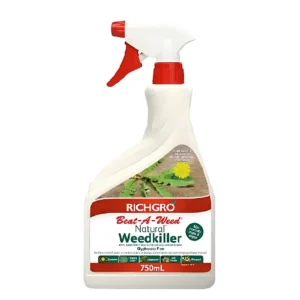
Recommended Products for Late Winter Weed Control

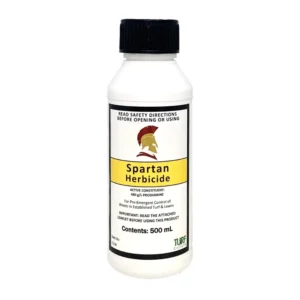
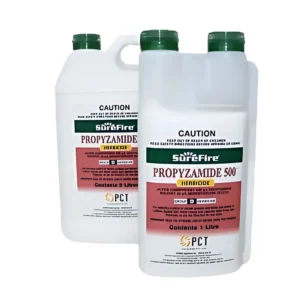
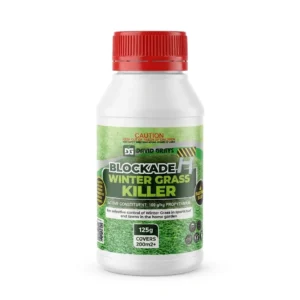
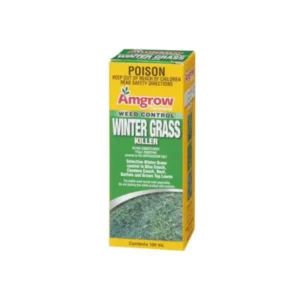
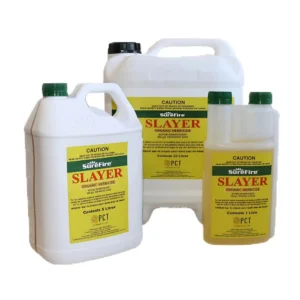
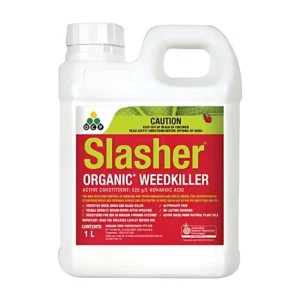
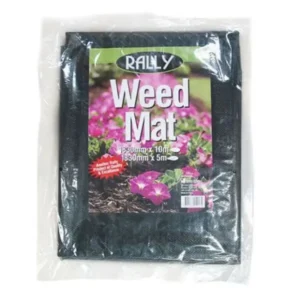
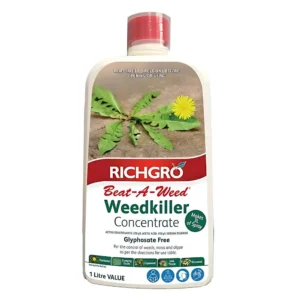
How to Apply Weed Killers Effectively in Late Winter
Applying weed control products efficiently in late winter can make the difference between a lush, weed-free garden in spring and a yard overrun with unwanted plants. The late winter period is unique—so are the strategies you need to get the most out of your efforts. Follow these expert tips for maximum results, minimal waste, and safer application across your lawn, veggie patches, and garden beds.

1. Choose the Right Product for Each Area
- Match the Herbicide: Use pre-emergent products for prevention, selective herbicides for problem weeds in lawns and gardens, and non-selective only for hard surfaces or where no plants are wanted.
- Read Labels Carefully: Ensure compatibility with your grass or garden plant species and always follow recommended rates for the weed types listed.
2. Timing Is Everything
- Ideal Window: Apply treatments in late winter when weeds are just emerging or are still small. This is when they’re most susceptible to herbicides.
- Weather Considerations: Choose a dry, mild day (ideally between 10–20°C) with no rain forecast for at least 6–12 hours after application to maximize absorption and avoid run-off.
- Soil Moisture: Slightly moist (not soggy) soil helps products penetrate and stick, especially for pre-emergents.
3. Prepare Your Lawn and Beds
- Avoid Recent Mowing: Wait at least 48 hours after mowing before applying liquid herbicides to allow some foliage for absorption. Delay mowing again for several days afterward.
- No Debris: Clear leaves or grass clippings so the weed killer reaches the soil or target plants.
- Do Not Disturb Soil: For pre-emergent herbicides, avoid raking or heavy digging after application—this can break the protective barrier.
4. Ensure Even, Safe Coverage
- Use Calibrated Equipment: Sprayers, spreaders, or watering cans should be properly set up to avoid missed spots or over-application.
- Overlap Slightly: When spraying or spreading granules, overlap each pass just a little to ensure complete coverage without waste.
- Spot-Treat Isolated Weeds: For a few problem patches, concentrate on those areas to minimize chemical use.
- Use a Weed Spray Dye: Add a turf marker dye to your spray to easily see sprayed areas, avoid overlap, and ensure even coverage—especially useful for large or uneven spaces.
5. Prioritize Safety and Environmental Care
- Protect Non-Target Plants: Use drift shields or wipe-on applicators near garden beds or ornamentals to prevent accidental damage.
- Wear Protective Gear: Gloves, masks, and long sleeves help keep you safe, especially when using concentrated products.
- Mind Pets and Kids: Keep them off treated areas until the product has dried or as recommended on the label.
- Clean Up Properly: Rinse equipment after use and dispose of empty containers following local regulations.
6. Aftercare to Maximize Results
- Watering: Follow product directions; some pre-emergents require light watering-in, while most post-emergents work best if left dry for several hours.
- Monitor Treated Areas: Re-inspect after two weeks. Reapply if recommended, especially for stubborn or persistent weeds.
- Record What Works: Note the effective products, rates, and timing for future improvement in your late winter lawn care routine.
Common Pitfalls in Late Winter Weed Control and How to Avoid Them
-
Applying Weed Control Too Late
-
-
- Treating weeds after they’re mature or seeding reduces herbicide and manual removal effectiveness.
- How to avoid: Act early in late winter, ideally when weeds are small and actively growing. Use pre-emergent herbicides before weed seeds start germinating.
-
-
Using the Wrong Herbicide
-
-
- Applying non-selective herbicides to lawns or garden beds—or using a product unsuitable for the weed or plant species—can damage turf and ornamentals or prove ineffective.
- How to avoid: Always match your herbicide to both the weed type and garden area. Read product labels, and use selective herbicides where appropriate.
-
-
Skipping Pre-Emergent Applications
-
-
- Omitting pre-emergent herbicides lets new weed seeds germinate and leads to higher weed pressure as spring approaches.
- How to avoid: Include pre-emergents in your late winter routine, especially in areas where you’ve fought persistent weed problems.
-
-
Over- or Under-Applying Product
-
-
- Using too much product risks harming garden plants and your lawn, while too little won’t control weeds effectively.
- How to avoid: Calibrate your sprayer or spreader and carefully follow label rates. Use a weed spray dye to visibly mark treated areas and prevent missed spots or overlaps.
-
-
Poor Timing with the Weather
-
-
- Spraying just before rain, in high winds, or during frost can wash chemicals away, cause drift onto non-target plants, or reduce herbicide activity.
- How to avoid: Check the forecast and choose mild, dry, calm days for application. Let the product settle for 6–12 hours before disturbance.
-
-
Inadequate Area Preparation
-
-
- Applying product over debris, long grass, or freshly mowed turf prevents effective contact with weeds.
- How to avoid: Clear away leaves and clippings, and wait at least 48 hours after mowing before applying herbicide. Avoid mowing again for several days post-application.
-
-
Neglecting Safety Procedures
-
-
- Not using gloves, masks, or allowing kids and pets near treated areas can lead to health and safety risks.
- How to avoid: Wear protective equipment as indicated on label directions and keep people and animals out of treated zones until safe.
-
-
Assuming One Application is Enough
-
-
- Believing that a single treatment will solve all weed issues for the season can lead to new growth and re-infestation.
- How to avoid: Inspect areas after 1–2 weeks and reapply if necessary. Consistent monitoring and follow-up are key to ongoing control.
-
Taking care of weeds early means less hassle and effort as the seasons change. With a proactive approach now, your garden will be healthy, vibrant, and ready to flourish come spring.
Read more from Pestrol:
- Clover Weed in Australia: How to Identify and Eliminate It Safely & Effectively
- The Best Season for Fertiliser: Feeding Your Garden in Spring
- Essential Lawn & Garden Treatments for Every Season: What to Use and When
- Guide to Winter Garden Maintenance in Australia
- Spring Gardening Tips
- Spring Pest Prevention Tips
 Mosquito Traps