




Seasonal Pest Control: Quick Tips To Protect Your Home All Year Round


Seasonal Pest Control: Quick Tips To Protect Your Home All Year Round
Why Seasonal Changes Matter for Pest Control
Managing household pests is a year-round responsibility for homeowners, but effective pest control hinges on understanding how seasonal changes influence pest activity. Temperatures, humidity, and rainfall all impact pest population surges, making seasonal pest control not just a recommendation but a necessity for managing pests effectively. By adopting a targeted strategy for controlling pests by season, home and business owners can reduce the risk of common issues like rodent, mosquito, ant, and cockroach infestations.
This guide covers pest prevention tips for every season, helping you implement year round pest protection and highlighting the best time for different pest control practices.
Spring Pest Control: Managing Emerging Pest Populations

As spring unfolds in Australia, rising temperatures and humidity wake dormant pests, sparking an explosion in insect and rodent activity. This season’s environmental shift triggers the breeding cycles of ants, mosquitoes, termites, and more, making proactive pest prevention essential. Implementing spring pest control strategies in Spring not only protects homes from infestations but also helps maintain a safe, healthy living space as nature renews itself.
Pest control in spring should emphasize preventing pest infestations before their peak activity begins – seal entry points, clean thoroughly, and prepare the garden and pets for the season ahead.

Top Pests to Watch Out for in Spring
-
- Ants: Activity surges as colonies emerge and forage after winter dormancy, driven by warmer temperatures and increased food and moisture availability.
- Spiders: Become more active and move indoors as prey populations rise.
- Termites: Begin swarming during warm, humid late spring weather as colonies expand to establish new nests.
- Mosquitoes: Populations increase with rising temperature and spring rainfall, creating more breeding sites.
- Bees & Wasps: Queens emerge and build nests, fueled by blooming flowers providing nectar.
- Flies: Warmer weather accelerates breeding and activity.
- Rodents (mice, rats): Start foraging as natural food sources fluctuate.
- Fleas: Eggs and larvae hatch due to warmer temperatures; pets and wildlife move more.
- Snakes: Become active with rising temperatures.
- Aphids: Population spikes feeding on new plant growth.
- Birds: Seek nesting sites around homes and buildings.
Spring Pest Control: Tips to Prevent Infestations
-
-
- Declutter and Clean: Spring clean hidden corners and behind appliances; look for pest droppings or eggs.
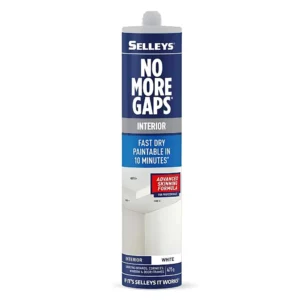
- Seal Gaps: Fix cracks around windows, doors, vents, and foundations to stop pests entering.
- Tidy the Garden: Trim vegetation, clear leaf litter, tidy lawns, and keep firewood stacked away from your house.
- Protect Pets: Treat pets and their bedding for fleas/ticks and check after outings.
- Install Screens: Fit or fix door and window screens to keep out bugs.
- Natural Deterrents: Use pest-repelling plants or oils like citronella, basil, or mint.
- Utilize Residual Pesticides: Best applied in spring or early summer to create a lasting barrier as pests become active, preventing infestations.
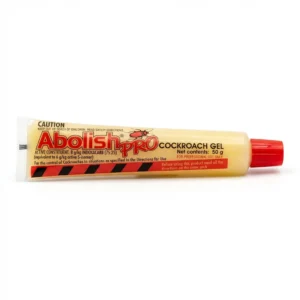
- Deploy Baits and Traps: Use specific baits or traps for ants, cockroaches, or rodents where activity is spotted.
- Schedule Professional Inspection: Get a pest check early to catch issues before summer increases pest activity.
-
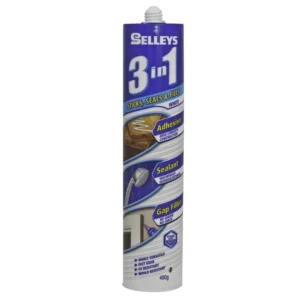
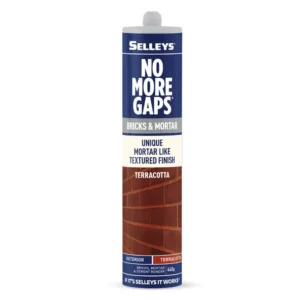
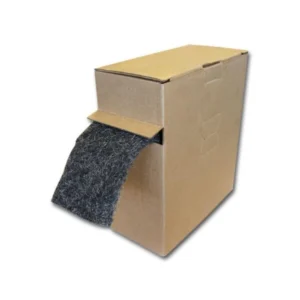
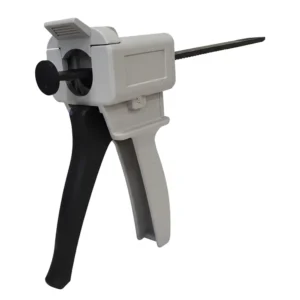
Recommended Products to Seal Gaps and Prevent Pest Infestations
Summer Pest Control: Keeping Your Home Safe During Peak Pest Season
Australia’s summer is synonymous with high humidity and heat, creating prime conditions for pest population surges. Mosquitoes, ants, cockroaches, fleas, and ticks reach their peak, presenting health and nuisance risks. Summer pest control shifts to actively controlling pests through traps and insecticides, eliminating breeding sites such as standing water, and maintaining strict sanitation to contain outbreaks.

Most Common Summer Pests in Australia
-
- Cockroaches: Peak in hot, humid conditions accelerating development and reproduction.
- Mosquitoes: Population booms with summer heat; standing water allows rapid breeding.
- Ants: Colonies reach maximum size, actively foraging indoors.
- Flies: Breed rapidly in summer heat
- Wasps & Bees: Colonies peak, sometimes aggressive as they seek food.
- .Fleas & Ticks: Thrive on warm-blooded hosts moving frequently.
- House flies: Increased breeding and attracted by outdoor food waste.
- Bedbugs: Spread can increase due to travel and visitors.
- Ticks & Centipedes: Seek cool, damp shelter indoors.
- Centipedes: Often enter homes seeking moisture and cooler microclimates.
Effective Pest Control Steps for Summer Infestations
-
-
- Manage Food and Waste: Keep food stored in airtight containers; clean up food and drink spills promptly. Avoid leaving pet food out overnight.
- Empty Rubbish Bins Frequently: Keep bins well-sealed to reduce attraction to flies, rodents, and cockroaches.
- Remove Standing Water: Eliminate water in pots, gutters, birdbaths, and outdoor containers to disrupt mosquito breeding.
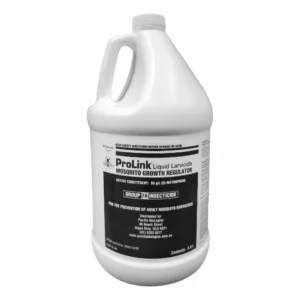
- Use Larvicides & Insecticides: Apply larvicides for standing water that can’t be emptied.
- Use Fly Catchers and Traps: Place outdoor fly traps in sunny, sheltered spots away from living areas and food.
- Plant Pest-Repellent Herbs: Grow mint, citronella, or other repellent herbs near outdoor entertaining areas to deter flying insects and wasps.
- Lighting Management: Reduce outdoor lighting to decrease attraction of flying insects and spiders.
- Nest Inspection: Inspect and promptly remove or professionally treat wasp and bee nests near the home.
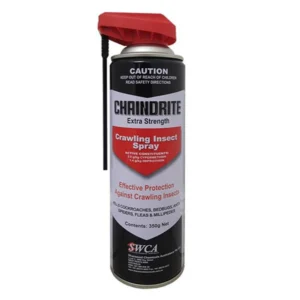
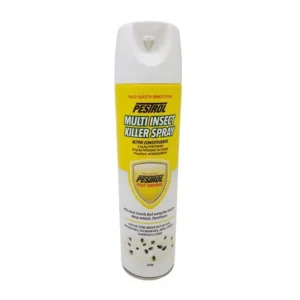
- Use Quick Killing Knockdown Sprays: These sprays kill insects on contact, making them ideal during peak activity.
- Protect with Barrier Sprays: Form a chemical barrier before pests invade living spaces as pest movement increase.
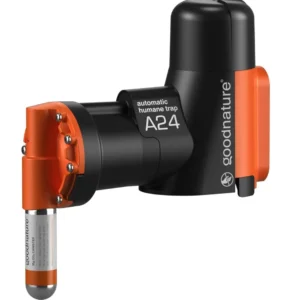
- Use Traps & Barriers: Set rodent traps and sticky insect barriers near common entry points.
- Store Firewood Away from the Home: Minimize termite and rodent risks when their activity peaks.
-
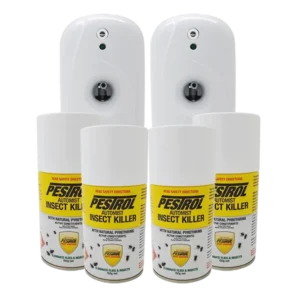
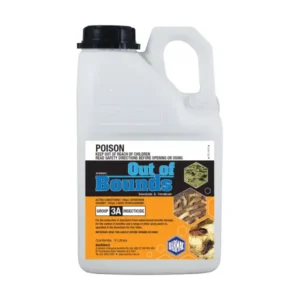
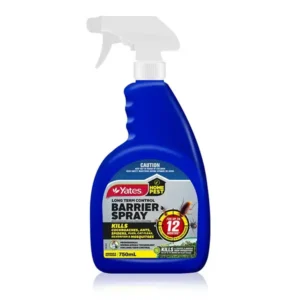
Must Have Pest Control Items for Summer Protection
Autumn Pest Control: Prevent Indoor Invasions as Temperatures Drop

Autumn in Australia signals dropping temperatures and a dramatic shift in pest behaviour. Rodents, cockroaches, and spiders begin seeking refuge indoors, while garden pests like snails and moths target plants. Autumn pest prevention should focus on keeping unwanted guests at bay. Preparation for winter is key, involving sealing gaps to block pest entry, reducing indoor moisture and clutter, and removing outdoor debris to minimize shelter for pests.

Key Pests to Prepare for in Autumn
-
- Termites: Move indoors with cooler temperatures and autumn rains, damaging timber while seeking warmth.
- Cockroaches: Retreat indoors as temperatures drop.
- Rodents (mice, rats): Begin seeking indoor shelter due to colder weather and declining food sources.
- Cluster flies: Enter buildings to overwinter, attracted to indoor warmth.
- Snails & Slugs: Damp conditions increase population and infestations.
- Spiders: Continue moving indoors to seek warmth and prey.
- Moths: Lay eggs in dark, undisturbed areas indoors.
- Birds: Utilize homes and buildings for sheltered roosting.
Key Pest Control Actions to Prepare Your Home for Winter
-
-
- Seal Entry Points: Check and seal cracks around windows, doors, vents, and pipes to block pests seeking shelter.
- Declutter Storage Areas: Clean and organize attics, basements, and garages to remove pest hiding spots.
- Control Indoor Moisture: Fix leaks and ensure good ventilation to deter termites and cockroaches.
- Secure Food Storage & Waste: Store food tightly and keep bins sealed to cut off pest food sources.
- Garden & Yard Clean-Up: Trim vegetation and remove leaf litter and fallen fruit to reduce pest harborage.
- Use Traps & Barriers: Set rodent traps and sticky insect barriers near common entry points.
- Monitor Autumn Pests: Watch for rodents, moths, cockroaches, slugs, and termites moving indoors.
- Schedule Professional Inspection: Arrange pest checks to catch issues early before winter.
- Insulate and Secure Storage Areas: Keep food off floors and stored in pest-proof containers.
- Place Rodent Traps in Suspected Entryways: Regularly check and reset as needed.
- Regularly Remove Spider Webs: Reduce spider harborage indoors.
- Apply Deterrents like Peppermint Oil: Maintain property boundaries to minimize indoor invasions during cooler months.
-
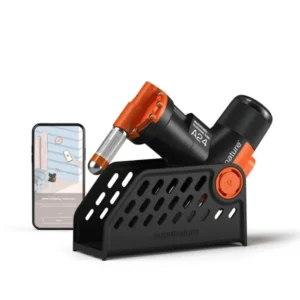
Pest Control Product Suggestions for Autumn in Australia

Winter Pest Control: Tackling Indoor Pests and Rodent Intrusions

Australian winters often drive pests like rodents, cockroaches, and certain spiders inside, despite a general decrease in overall pest activity outdoors. For winter pest control, the priority is to block pest entry and reduce indoor pest survival by conducting thorough inspections, keeping areas dry and clean, and using traps or repellents alongside professional treatments before spring arrive.

Top Pests Invading Homes During Winter
-
- Rodents (mice, rats): Peak presence indoors seeking warmth and food in cold months; cause damage and contaminate food.
- Spiders: Find shelter indoors in undisturbed, warm corners.
- Cockroaches: Persist indoors where heat and moisture are available.
- Termites: Some species feed within heated buildings to sustain energy and warmth.
- Ants: Attracted to food sources and warmth inside homes.
- Bedbugs: Active in heated homes where they feed on human hosts.
- Possums: Seek warmth and shelter in roofs and attics during winter
Measures to Protect Your Home in Winter
-
-
- Conduct a Comprehensive Inspection: Check attics, basements, and wall voids for rodents and insects.
- Seal Entry Points Thoroughly: Seal gaps, cracks, vents, and pipes where pests seek winter shelter.
- Maintain Cleanliness: Store food in airtight containers; promptly clean spills and crumbs.
- Control Indoor Moisture: Fix leaks and reduce dampness in bathrooms, kitchens, basements, and laundry.
- Declutter and Organize: Remove clutter in attics, garages, and storage areas to limit pest hiding places.
- Store Firewood Properly: Keep firewood elevated and away from home walls to reduce termite and rodent access.
- Deploy Traps: Keep rodent and insect traps set and checked regularly indoors.
- Apply Natural Deterrents: Use peppermint oil or other safe repellents near entry points and storage areas.
- Schedule Professional Inspection & Treatment: Target overwintering pests before spring emergence.
-
Winter Pest Control Products for Rodents, Spiders, and Cockroaches

Stay ahead of pests year-round with effective seasonal pest control strategies tailored to prevent and manage the unique pest challenges each season brings to Australian homes
Read more from Pestrol:
- Temprid 75 vs. Traditional Insecticides: Why It’s the Superior Choice
- Understanding Bifenthrin: Uses and Safety
- How to use Rodent Bait Station the Right Way for Effective Rodent Control
- How to Get Rid of Ants
- Is Chemical Pest Control Really an Answer?
- The Buzz on Climate Change – How Global Warming is affecting Mosquito Populations
 Mosquito Traps