





Winter Grass Weed Control: How to Identify, Prevent and Eliminate Poa Annua


Winter Grass Weed Control: How to Identify, Prevent and Eliminate Poa Annua
What is Winter Grass and Why It's a Problem
Winter grass, also known as annual bluegrass and by its scientific name Poa annua, is a common cool-season weed that frequently invades lawns, golf courses, and sports turf across Australia and many temperate regions. This annual grassy weed thrives in cooler months, germinating in autumn and winter when temperatures drop. As a prolific seed producer, Poa annua can quickly and aggressively spread across turf, forming unsightly light-green patches that disrupt the uniform appearance and health of your lawn.
Winter grass prefers moist, poorly drained soils and is especially problematic in shaded or compacted areas where desirable turf species struggle to thrive. Although some turf managers tolerate small infested areas, widespread infestations can weaken the overall health of your lawn by competing with desired grasses for vital nutrients, water, sunlight and space.
Understanding what winter grass is and why it’s considered such a major weed is the first step toward achieving effective winter grass weed control to maintain a healthy, resilient lawn.

How to Identify Winter Grass in Your Lawn
Effective lawn weed control begins with accurate identification. Early recognition of winter grass is essential when learning how to get rid of winter grass and maintain a healthy lawn.
If left unchecked, winter grass can quickly crowd out desirable turf species and spread rapidly through its abundant seeds across your lawn.

Color |
Winter grass exhibits a light to pale green color, often noticeably lighter and brighter than other lawn grass species, making it relatively easy to spot in contrast to healthy turf. |
Growth Habit |
It grows in dense, low-growing, tufted clumps or mats. These clumps can appear patchy across your lawn, particularly in weakened or bare areas where other grasses struggle to thrive. |
Leaf Characteristics |
The leaves are soft, narrow, and flat, with a distinctive “boat-shaped” or tapered tip that helps differentiate it from many other grassy weeds. Leaves have a smooth texture, often described as fine. |
Length of Leaves |
Typically, leaves range from 5 to 7 centimeters in length. This moderate length, combined with a fine texture, gives the weed a delicate appearance compared to coarser turfgrass blades. |
Seed Heads |
One of the most telling features is the presence of prolific, delicate white seed heads, which can form even when the plant is very short. These fluffy seed heads aid rapid spreading by seed dispersal. |
Preferred Conditions |
Winter grass thrives in moist, shaded environments or compacted soils. It often invades thin, stressed, or poorly drained turf areas, which provide the ideal conditions for its germination and growth. |
Seasonality |
This weed germinates in the autumn as temperatures cool, grows actively through winter, and typically dies back naturally in warmer months, although seed production ensures it returns yearly. |
Texture |
The overall texture of winter grass is soft and fine, a contrast to the coarser, tougher texture of many common lawn grasses. This softness can be felt when running your fingers over affected turf patches. |
Common Causes of Winter Grass Infestations and Spread
Winter grass (Poa annua) thrives under several environmental and cultural conditions that favor its rapid growth and spread. It is highly adaptable, allowing it to establish in a wide range of soil types and lawn environments.
Soil Compaction
Compacted soils reduce air circulation and water drainage but Poa annua is highly tolerant of these conditions and often thrives in compacted turf areas where desired grasses weaken. Compaction stresses turf and makes it easier for winter grass to establish and compete aggressively.
Excess Moisture and Poor Drainage
Winter grass prefers moist, damp soil conditions. Overwatering, heavy rainfall, or poorly drained areas encourage seed germination and vigorous growth of this weed.
Shade and Reduced Sunlight
Unlike many turf species that need full sun, winter grass tolerates shaded conditions well. Lawns with dense tree cover or shaded corners provide a perfect habitat for Poa annua to establish where other grasses grow poorly.
Thin, Weak, or Stressed Turf
Lawns that are bare, patchy, or suffering from stress due to drought, disease, or overuse offer open spaces for winter grass seeds to germinate and spread.
High Soil pH and Nutrient Imbalance
Studies show that Poa annua grows better in soils with neutral to slightly acidic pH. In some cases, high nitrogen fertilizers can inadvertently encourage winter grass growth during cooler seasons.
Rapid Seed Production and Dispersal
Each winter grass weed can produce over 1,000 seeds, which remain viable in the soil seed bank for several years. Seeds spread widely by wind, water, mowing equipment, animals, and foot traffic, enabling fast and extensive turf invasion.
Mowing Practices and Lawn Maintenance
Frequent mowing at very low heights (scalping) weakens turf grasses and opens niches for winter grass. Infrequent or irregular lawn maintenance can also create favorable conditions for this weed.
Introduction Through Contaminated Equipment or Materials
Seeds often hitchhike on mowers, shoes, garden tools, and even compost or topsoil deliveries, leading to new infestations in previously unaffected areas.

How to Prevent Winter Grass
Preventing winter grass can be achieved through natural cultural practices, chemical treatments, or a combination of both. Natural methods focus on improving lawn health and reducing the conditions that favour weed growth, while chemical options—such as pre-emergent herbicides—target the weed before it germinates. Using either approach on its own can be effective, but combining them often provides the most reliable and long-term winter grass weed control.
Natural Winter Grass Prevention
Maintain Healthy, Dense Turf
Regular mowing at the appropriate height encourages your lawn grasses to grow thickly, reducing open spaces where winter grass seeds can germinate. Avoid scalping or mowing too short as this weakens turf and invites weed invasion.
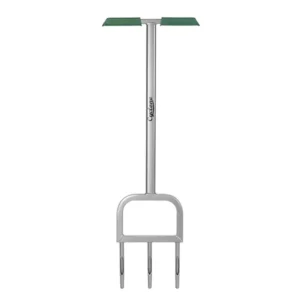
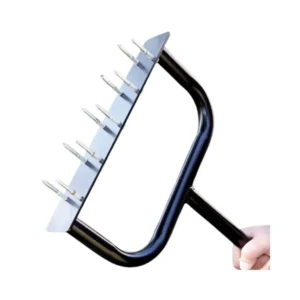
Aerate Soil Regularly
Soil compaction creates ideal conditions for winter grass to thrive. Aerating your lawn improves soil drainage and air circulation, strengthening turf roots and preventing Poa annua establishment.
Improve Drainage and Avoid Overwatering
Winter grass favors moist, poorly drained soils. Correct low spots, improve soil structure, and water deeply but infrequently to prevent excess surface moisture that encourages weed seed germination.
Manage Shade
Prune trees and shrubs to increase sunlight penetration in shaded areas. Since winter grass tolerates shade better than many desirable turf species, reducing shade can limit its growth advantage.
Balanced Fertilization
Apply fertilizers according to soil tests and turf nutritional needs. Avoid excessive nitrogen applications in cooler months, as high nitrogen can promote winter grass growth. Use slow-release fertilizers to feed turf gradually and maintain vigor.
Overseed with Competitive Turfgrass
When renovating or repairing thin areas, overseed with grass species that establish quickly and offer competitive resistance to Poa annua. This biological competition naturally suppresses weed seedlings.
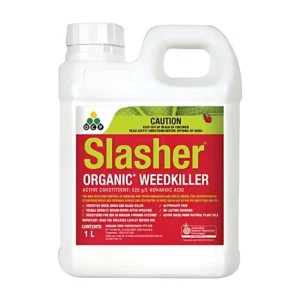
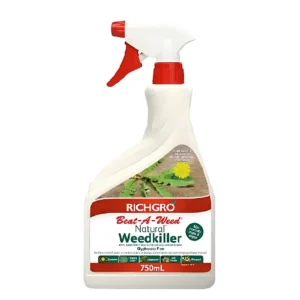
Use Natural-Based Herbicides
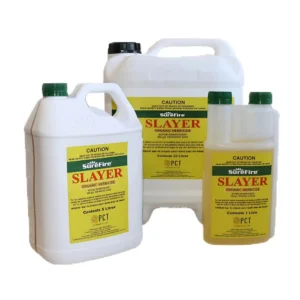
Apply organic herbicides with ingredients like nonanoic acid, acetic acid, or plant oils (e.g., clove, lemongrass) to suppress winter grass seed germination while avoiding synthetic chemicals.
Chemical Winter Grass Prevention Tips
Use Pre-Emergent Herbicides
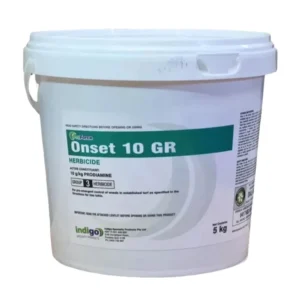
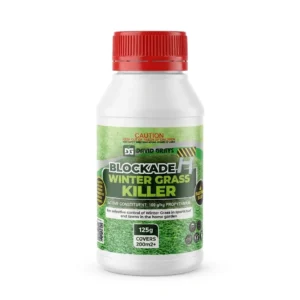
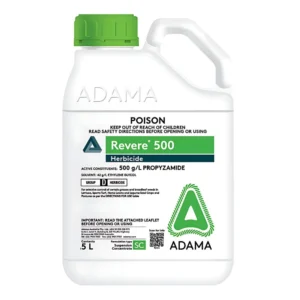
Apply pre-emergent herbicides containing active ingredients like propyzamide, prodiamine, pendimethalin, dithiopyr, or ethofumesate before Poa annua seeds start to germinate. These chemicals create a barrier in the soil that prevents weed seeds from sprouting.
Apply at the Optimal Seasonal Window
For maximum effectiveness, time pre-emergent applications according to local climate and soil temperatures, typically when nighttime soil temperatures consistently drop to around 15°C (59°F). Applying too early or late reduces efficacy.
Select Appropriate Product Formulations
Choose between liquid formulations for even coverage and easy absorption, or granular products which can be spread with a fertiliser spreader for convenience.
Match Herbicides to Turf Type
Use products safe for your specific turfgrass: many pre-emergents work well with warm-season grasses like couch, buffalo, and kikuyu but can damage cool-season grasses such as ryegrass, fescue, or Kentucky bluegrass.
Combine with Cultural Practices
Herbicide treatments work best when combined with natural prevention methods like aeration and mowing. This integrated approach enhances lawn health, reducing winter grass establishment.
Spot Treatment or Post-Emergent Options
In areas where pre-emergent herbicides are not feasible, selective post-emergent herbicides formulated specifically for winter grass can be used. Spot treat affected patches early for best control.

Effective Ways to Treat Winter Grass
Treating winter grass (Poa annua) can be done using natural methods, chemical control, or a combination of both. The choice depends on your lawn’s condition, the size of the infestation, and your preferred approach. Natural methods focus on improving lawn health and removing the weed manually, while chemical treatments target the plant directly to stop its growth and spread. Using either option on its own can work, but combining them often delivers the most effective and longer-lasting winter grass weed control.
Natural Treatment Methods
Hand Pulling and Physical Removal
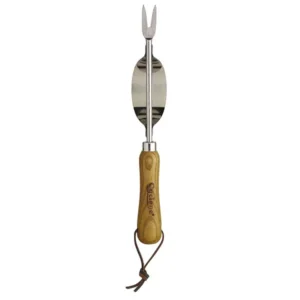
For small or isolated patches, manually pulling out winter grass—roots and all—can be effective. This helps reduce seed production and spread. Be consistent and remove new seedlings early as part of ongoing lawn maintenance.
Improve Turf Health and Density
Strengthening your lawn through proper mowing, watering, and fertilization encourages dense turf that naturally competes with winter grass seedlings. Overseeding thin or bare patches with competitive turf species can suppress weed regrowth by crowding out Poa annua.
Soil Aeration and Drainage Improvement
Address soil compaction by aerating your lawn to improve root development and water infiltration. Correct drainage issues to reduce the moist conditions winter grass favors, limiting its ability to establish.


Chemical Treatment Tips
Selective Post-Emergent Herbicides
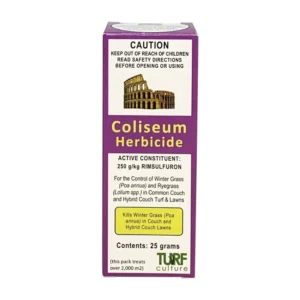
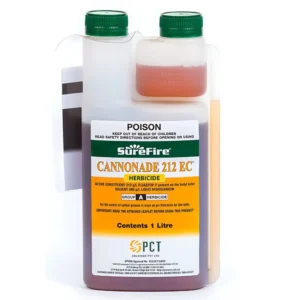
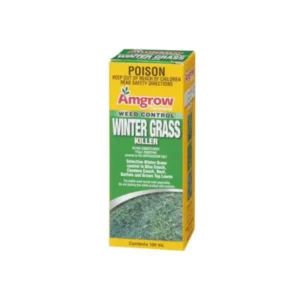
Use herbicides formulated specifically to target winter grass without damaging common turf grasses. Active ingredients like ethofumesate, mesotrione, and fenoxaprop are often effective when applied at the right time and rate. Spot spray affected areas to minimize chemical use.
Non-Selective Herbicides for Severe Infestations
For heavy infestations or total renovation, non-selective herbicides like glyphosate can be used to kill all vegetation, followed by reseeding or sodding. This approach sacrifices turf temporarily but can eliminate entrenched winter grass.
Apply During Active Growth Periods
Post-emergent herbicide effectiveness depends on applying during active winter grass growth, typically in early winter through early spring. Avoid late-season applications when the weed is going dormant, as this reduces herbicide efficiency.
Spot Treat Affected Areas
Focus chemical treatment efforts only on patches where winter grass is present rather than blanket spraying. This reduces chemical use, limits environmental impact, and protects desirable lawn grass from unnecessary exposure.
Water In After Application
Follow herbicide application by irrigating with 10–12 mm of water. This helps move the chemicals down into the soil’s root zone where winter grass seedlings absorb the herbicide, improving control success.
Rotate Herbicide Actives
Alternate the active ingredients you use each season to reduce the risk of winter grass developing resistance. For example, switch between herbicides based on propyzamide, pendimethalin, and ethofumesate in consecutive years, ensuring sustainable long-term control.

By understanding what is winter grass, identifying Poa annua early, investing in the right mix of prevention and treatment—including natural and chemical options—and prioritizing routine care, you can gain control over winter grass and maintain a lush, weed-free lawn throughout the year.
Read more from Pestrol:
- Late Winter Weed Control: How to Eliminate Weeds Effectively Before Spring
- Clover Weed in Australia: How to Identify and Eliminate It Safely & Effectively
- Essential Lawn & Garden Treatments for Every Season: What to Use and When
- Guide to Winter Garden Maintenance in Australia
- Brome Grass
- Grassy Weeds
 Mosquito Traps