





Brome Grass

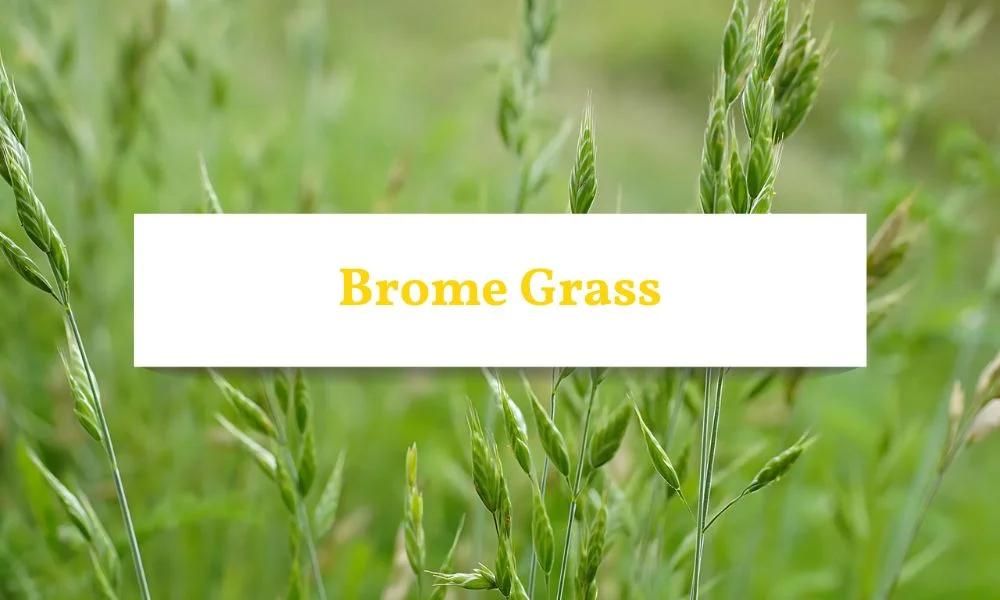
Brome Grass: What It Is, How to Identify It, and When It Matters
A practical guide to understanding brome grass species, their common uses, growing habits, and the best ways to manage them.
What Is Brome Grass?
Brome grass is the common name for a large group of grasses in the Bromus genus. That sounds simple, but in practice the term covers plants with very different roles on the land. Some brome grasses are deliberately planted because they provide reliable forage for livestock, establish well in difficult conditions, and help hold soil in place. Others are treated as troublesome weeds because they spread aggressively, compete with desirable vegetation, and can alter how fields, roadsides, and natural areas function.
If you have ever looked across a pasture, roadside verge, vacant block, or unmanaged field and noticed a tall, tufted grass with open seed heads and a slightly soft or drooping look, there is a good chance you were looking at some kind of brome. Depending on the species and your goals, that same plant may be useful, harmless, or a serious management issue.
One reason people ask what is brome grass is that it appears in so many different settings. You may find it in:
- Pastures and grazing paddocks
- Hay fields and mixed forage systems
- Roadsides, fence lines, and railway margins
- Lawns and low-maintenance turf areas
- Gardens and ornamental beds with disturbed soil
- Open fields, fallow land, and construction-disturbed sites
Most brome grasses are cool-season grasses, which means they put on their strongest growth during cooler parts of the year, especially in late winter, spring, and early summer. That growth pattern is an important clue when you are trying to identify them or decide how to manage them.
That distinction matters because management decisions that make sense for a productive pasture species may be completely wrong for an invasive annual brome. For example, a landholder might encourage smooth brome in a managed forage system, while actively suppressing cheatgrass in a native grassland or fire-prone area. The same common name can hide very different ecological and practical consequences.
How to Identify Brome Grass
When people search for how to identify brome grass, they are usually trying to answer one of two questions: “Is this actually brome?” and “Which kind of brome is it?” The first step is learning the general traits shared by many species in the genus.
In broad terms, brome grasses often have upright or arching stems, narrow flat leaves, and open seed heads known as panicles. These panicles may look airy, branched, and somewhat loose rather than tightly packed. In some species, the seed head has a graceful, drooping appearance that makes the plant look softer than many other pasture or turf grasses.

Core features to look for
- Leaves: Usually narrow to medium-width, often flat, and sometimes softly hairy depending on species.
- Stems: Erect to loosely arching, growing singly or in clumps.
- Seed heads: Open, branched panicles rather than dense spikes.
- Texture: Some species feel soft; others are rougher, especially around leaves and awns.
- Growth habit: Can be tufted, bunch-forming, or spreading, depending on the species.
Seasonality is another useful clue. Many brome grasses grow most actively in cool conditions and mature quickly in spring. By early summer, annual species in particular may have already set seed and begun drying down. That timing helps distinguish them from warm-season grasses that remain relatively quiet until temperatures rise.
Identification is rarely about one feature alone. The best results come from comparing leaf texture, seed head shape, presence or absence of awns, and overall height and growth timing together.
What to compare with similar grasses
Brome grass is often confused with other common grasses in lawns, roadsides, and paddocks. To narrow it down, compare the plant against nearby grasses using a few practical checkpoints:
- Check the seed head. Brome panicles tend to be open and branched. Some species droop noticeably when mature.
- Look for awns. Certain species, especially annual bromes, have prominent bristle-like awns attached to seeds.
- Inspect the base. Is the plant clumping from a crown, or spreading more vigorously through rhizomes?
- Measure the height. Some brome species stay relatively modest, while others become tall and conspicuous before seed set.
- Note the site. Disturbed soils and dry unmanaged areas often favor weedy annual bromes, while managed pastures may contain intentionally sown perennial brome species.
If accurate identification matters for a large property, grazing plan, or weed control program, it is worth collecting a sample with seed heads attached and comparing it with a regional field guide or local extension resource. Small details such as awn length, hairiness, and sheath texture can separate one brome species from another.
Common Types of Brome Grass
The difference between brome grass species matters because not all bromes behave the same way. Some are productive pasture grasses; others are notorious invaders. The species you are most likely to encounter depends heavily on climate, rainfall pattern, soil disturbance, and land use.

| Species | Typical role | Key traits |
|---|---|---|
| Smooth brome (Bromus inermis) | Forage, hay, erosion control | Perennial, vigorous, often rhizomatous, useful in managed systems |
| Cheatgrass / downy brome (Bromus tectorum) | Invasive weed | Annual, fine textured, early maturing, prolific seeder, often fire-associated |
| Rescue brome (Bromus catharticus / Bromus willdenowii) | Pasture and forage in some climates | Fast-growing cool-season grass, useful under favorable management |
Smooth brome
Smooth brome is one of the most widely recognized beneficial brome species. It is commonly used in forage systems because it establishes a dense stand, tolerates cold conditions well, and can provide dependable feed under the right management. It is also planted in some areas for erosion control due to its root and rhizome system, which helps stabilize soil.
The same traits that make smooth brome useful can also make it competitive. In conservation settings or near native grasslands, it may spread beyond intended boundaries and suppress more delicate local species. That does not make it inherently bad; it simply means its value depends on where it is growing and what you are trying to achieve.
Cheatgrass
Cheatgrass is the species most often associated with weed problems. It is an annual brome that germinates readily, grows fast in cool seasons, and produces large numbers of seeds. In dry regions and disturbed landscapes, cheatgrass can dominate quickly. It often matures early, dries out, and leaves behind highly flammable fine fuel. In some ecosystems, that pattern increases fire frequency and places native vegetation under severe pressure.
This is why cheatgrass is more than a nuisance. In the wrong setting, it can become a landscape-scale ecological problem. Even on a smaller property, it can interfere with pasture quality, outcompete desirable seedlings, and make neglected areas look untidy and difficult to reclaim.
Rescue brome
Rescue brome is used in some agricultural systems as a pasture or hay grass. It tends to perform best in cooler periods and can deliver useful forage when managed correctly. Like many grasses, though, it can also become weedy if allowed to reseed freely in places where it is not wanted.
Regional context is critical. In cooler temperate zones, perennial brome species may be more intentionally used. In drier or heavily disturbed regions, annual bromes may be more prominent and problematic. Local climate, soil moisture, and seasonal management all influence which brome grasses become common on a property.
Uses and Benefits of Brome Grass
For all the concern surrounding invasive bromes, it is important not to overlook the legitimate brome grass uses and benefits. Several species have real agricultural and land-management value when chosen appropriately and managed well.
1. Livestock forage
Many perennial brome species are appreciated for grazing. They can produce substantial early-season growth, recover well under moderate grazing, and fit into mixed pasture systems with legumes or other cool-season grasses. In some regions, smooth brome has long been valued for its consistency and winter hardiness.
From a producer’s perspective, one of the main benefits is timing. Cool-season growth means feed can be available when warm-season species are still slow. That can reduce pressure on stored feed and support pasture productivity during important seasonal windows.
2. Hay production
Brome species used in agriculture can also contribute to hay systems. Their upright growth and decent biomass production make them suitable in many mixed stands. Hay quality depends on cutting stage, fertility, and species mix, but well-managed brome can be highly useful as part of a broader forage plan.
3. Erosion control and soil stabilization
In some managed landscapes, brome grass is planted to stabilize soil, especially on slopes, disturbed ground, drainage edges, and reclaimed sites. Fast establishment and dense cover can reduce runoff and help protect exposed soil from erosion. That matters on road embankments, degraded paddocks, and newly reworked ground where bare soil is vulnerable.
Some species are especially effective where the goal is fast cover rather than botanical diversity. This can be beneficial in practical land rehabilitation projects, although managers should always weigh that benefit against the risk of the grass spreading into adjacent habitats.
4. Pasture improvement under the right conditions
On marginal land, a suitable brome species may improve usable ground cover and productivity. In low-input systems, a dependable cool-season grass can provide structure, feed, and resilience. However, success depends on selecting the right species for the climate, matching it to soil conditions, and managing grazing pressure carefully.
The value of brome grass is never universal. It depends on species, site conditions, and management goals. A species that performs brilliantly in a forage paddock may be unacceptable in a conservation reserve or a home lawn.
This is the central idea to keep in mind: brome is not automatically good or bad. It is a tool in some systems and a weed in others. The benefit comes from matching the species to the purpose.
When Brome Grass Becomes a Problem
Brome grass becomes a problem when it starts working against the outcome you want. That might mean invading a lawn, crowding out ornamental plants, reducing biodiversity in a native planting, lowering the quality of a pasture mix, or spreading aggressively across bare disturbed ground before desirable species can establish.

How invasive bromes affect landscapes
Invasive or aggressive brome species can form dense stands that intercept light, moisture, and nutrients before other plants have a chance to establish. In lawns, they spoil uniform appearance and compete with turf. In gardens, they exploit open soil and mulch gaps. In fields and unmanaged lots, they can dominate after disturbance such as grading, overgrazing, drought, or fire.
In more natural areas, the consequences can be larger. Dense annual bromes may displace native grasses and wildflowers, change the timing of green-up and dry-down, and leave behind a heavy load of fine dry material. In the case of cheatgrass, this can contribute to a harmful cycle in which fire becomes more frequent and native plant communities struggle to recover.
Practical brome grass control tips
If you are looking for brome grass control tips, the most effective approach is usually integrated management. A single treatment rarely solves the issue long term, especially when seed banks are involved.
- Act before seed set. Timing is everything. Many annual bromes are easiest to suppress before they produce viable seed. Once seed has dropped, control becomes a multi-season process.
- Mow strategically. Mowing can reduce seed production if done at the correct stage, but mowing too early or too late may have limited effect. Repeated mowing can also weaken some stands, though it is not a complete solution on its own.
- Improve turf or pasture density. Thin lawns and sparse pastures invite invasion. Overseeding, correcting fertility problems, and managing irrigation or grazing pressure can help desirable plants compete more effectively.
- Reduce soil disturbance. Disturbed bare ground gives bromes an opening. Minimize unnecessary cultivation, grading, or scraping where possible.
- Hand-remove small infestations. In gardens or small patches, pulling plants before seed matures can be effective, especially when soil is moist.
- Reseed with desired species. After suppression, fill the gap quickly. Bare ground invites reinfestation.
- Use selective herbicides where appropriate. In some situations, chemical control may be warranted, but product choice must match the species, site, and surrounding vegetation. Always follow label directions and local regulations.
Control in lawns, paddocks, and natural areas
In lawns: Focus on turf density. Regular mowing at the correct height, adequate fertilisation, and overseeding thin areas can make a big difference. Spot treatment may help where infestations are localised.
In paddocks: Avoid overgrazing, which opens space for annual bromes. Support competitive perennial pasture species and address soil fertility or seasonal pressure points that weaken the sward.
In natural areas: Management may need to be more targeted and patient. Mechanical removal, careful herbicide timing, and revegetation with native species often work best as a coordinated plan over multiple seasons.
A useful benchmark: if you can stop even one heavy seed set, you may significantly reduce next season’s pressure. With annual bromes, every prevented seed head counts.
Conclusion
Brome grass is one of those plant groups that cannot be judged by name alone. The genus includes species that are productive, practical, and beneficial in the right setting, as well as species that are invasive and costly to manage. Understanding the difference is the foundation of good decision-making.
To recap, the most important points are straightforward:
- Brome grass refers to multiple species in the Bromus genus, not a single plant.
- Many species are cool-season grasses that grow strongly in spring and early summer.
- Identification depends on seed head shape, awns, leaf texture, plant height, and growth habit.
- Some species, such as smooth brome, are useful for forage and erosion control.
- Others, such as cheatgrass, are well-known invasive weeds that require timely control.
- The right response depends on your property goals: encourage, manage, or remove.
If you are unsure what type of brome you have, start by observing it closely through the season. Look at the seed heads, note when it greens up and dries down, and consider whether it is helping or hindering the result you want. That simple process will usually tell you whether you are dealing with a useful grass to work with or a weed to get ahead of.
Need Help Choosing the Right Grass for Your Property?
Use this guide as a starting point to identify brome grass on your land and decide whether to encourage it, manage it, or remove it. If you are dealing with persistent spread, focus first on correct identification and early action before seed production turns a small patch into a long-term problem.
 Mosquito Traps