




How Do I Get Rid of Ants

How to Get Rid of Ants in Your Home
Ants are one of the most common household pests, and they often seem to appear overnight. One day your kitchen is spotless, and the next you notice a steady line of tiny insects marching toward a crumb under the toaster or a drop of juice near the sink. The good news is that most ant problems can be solved with a practical combination of cleaning, targeted treatment, and prevention. The key is not just killing the ants you see, but understanding why they are there and how to stop the colony from sending more.
If you have been searching for how to get rid of ants in the house, the most effective approach is to remove what attracts them, interrupt their scent trails, and use treatments that reach the nest. In many homes, a few smart changes can make a dramatic difference within days. In more stubborn cases, identifying the species and hidden nesting sites becomes essential.
Key takeaway
The best way to eliminate ants naturally or with low-toxicity methods is to combine sanitation, baiting where appropriate, and entry-point sealing. A one-step fix rarely works for long because visible ants are only a small part of the colony.
Why Ants Invade Your Home
Ants come indoors for the same reasons people do: food, water, and shelter. Even a very clean home can attract ants if there is an easy source of sugar, grease, pet food, or moisture. A tiny spill behind an appliance, condensation under a sink, or a loosely sealed pantry container can be enough to draw in foraging workers. Once one ant finds a resource, it can leave a chemical trail that helps others follow. That is why an ant problem can escalate quickly. What begins as a few scouts can become a visible line within hours. Ants are highly organized, and many species are excellent at exploiting consistent food sources. Kitchens and pantries are obvious hotspots, but bathrooms, laundry rooms, windowsills, and even indoor plant areas can also become active zones when moisture is available. Another reason infestations happen is simple access. Ants do not need a large gap to get inside. Hairline cracks around window frames, worn weatherstripping, gaps around pipes, and tiny openings in the foundation are often enough. Once indoors, warm protected spaces can support repeated activity, especially if nests are nearby outdoors. 
Common attractants that bring ants inside
- Sugary spills such as juice, soft drink, honey, syrup, or jam residue
- Greasy cooking splatter on stovetops, splashbacks, and benchtops
- Pet food bowls left out overnight
- Crumbs under appliances, inside drawers, or beneath dining furniture
- Leaking taps, damp cupboards, and standing water near sinks
- Outdoor mulch, garden beds, or branches touching the home
Ants are not randomly wandering into your home. In most cases, they are following a reliable reward: food, water, or a protected route between the nest and a resource.
Identify Where the Ants Are Coming From
If you want a lasting result, do not start by treating every visible ant with a spray and hoping for the best. First, investigate. Following ant trails can tell you a lot about where they are entering, what they are targeting, and whether the colony may be inside the structure or outside nearby. This step is often what separates short-term relief from effective control. Watch the ants for a few minutes. Are they moving in a clear line along the skirting board? Are they entering through a crack near the back door? Are they concentrated under the sink where moisture is present? Ants usually follow established routes. If you trace the trail carefully, you may find a small gap, a pipe penetration, a window frame opening, or a path leading outdoors. Pay special attention to kitchens, pantries, bathrooms, under sinks, around dishwashers, windows, and baseboards. If you see winged ants, sawdust-like debris, or activity around damp timber, you may be dealing with carpenter ants rather than ordinary nuisance ants. That matters because different species respond differently to treatment.
What to inspect during your search
- Check benchtops, splash zones, and the floor under appliances for hidden food residue.
- Look around doors, windows, vents, and utility lines for tiny access points.
- Inspect under sinks and around bathrooms for leaks, dampness, or condensation.
- Trace visible ant trails as far as possible without disturbing them too early.
- Examine outdoor areas next to the affected room, including pavers, mulch, and wall edges.
Why this matters
Killing the ants you see may reduce activity for a day, but unless you locate the source, the colony can keep sending new workers. In many cases, knowing the source is more important than choosing the strongest product.
Best Ways to Get Rid of Ants Fast
When ants have already established a route into your home, speed matters. The fastest effective strategy is a combination of cleaning, baiting, and targeted treatment. Each step serves a different purpose. Cleaning removes the incentive. Baits target the colony. Direct treatments help with immediate pressure in specific spots. Used together, they are far more effective than relying on one method alone. 
1. Remove food and water sources immediately
Start with a thorough clean. Wipe counters, cupboard shelves, and dining surfaces with warm soapy water. Vacuum crumbs from edges, under appliances, and inside drawers. Empty bins regularly and clean the bin lid and surrounding floor. Store dry goods, cereal, sugar, snacks, and pet food in sealed containers. If ants are around the sink, dry out the area and address leaks or dampness. This first step is critical because any active food source competes with your chosen treatment. If ants can choose between a sweet spill and your bait station, they may ignore the bait completely.
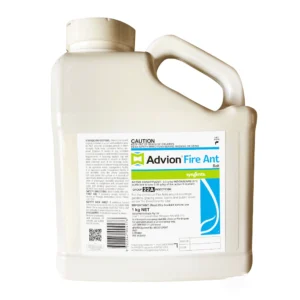
2. Use ant baits to reach the colony
For many common household species, baiting is the most effective method because worker ants carry the bait back to the nest and share it with others. This is how you move beyond killing foragers and begin affecting the colony itself. Place baits near active trails, but not directly in the middle of areas where children or pets can access them. Patience is important here. You may see more ants around the bait at first, which can be alarming but is often a good sign. It means the bait is attractive and being collected. Avoid disrupting the trail too early. Give the bait time to work.
3. Use direct treatments strategically
If you need immediate suppression in limited areas, you can use targeted products or home remedies. A vinegar-and-water wipe can remove scent trails from surfaces. Diatomaceous earth can be applied as a dry barrier in protected areas. Some homeowners also use retail ant sprays around entry points, but these should be applied carefully and according to label directions. If you are using bait, do not spray over the same trail or right next to the bait station. Repellent sprays can interfere with foraging behavior and prevent workers from carrying the bait back to the nest. In other words, the product intended to help can accidentally reduce the effectiveness of your best colony-control tool.
4. Break the scent trail
Ants rely on pheromone trails to guide nestmates to food. Once the source is removed, wipe down the route thoroughly. On non-porous surfaces, this can significantly reduce repeat traffic. It will not solve the infestation on its own, but it does make your home less easy for ants to navigate.
- Clean first, so ants lose the reward that brought them in
- Bait second, so workers transfer treatment to the colony
- Use barriers and spot treatments only where they will not interfere with baiting
- Repeat inspection over several days rather than assuming one treatment solved it
Natural Home Remedies for Ant Control
Many people want safe ant control for kitchens or lower-toxicity options before turning to stronger products. Natural remedies can be useful, especially for small or early infestations, but it is important to understand their role. Most natural solutions work best as deterrents or trail disruptors rather than complete colony eliminators. That means they are often part of a plan, not the entire plan.
White vinegar
A 1:1 mixture of white vinegar and water is one of the most common home remedies. It can help remove pheromone trails from hard surfaces like benchtops, tiles, and windowsills. While vinegar does not usually kill the colony, it can reduce traffic and make treated surfaces less attractive in the short term.
Lemon juice, cinnamon, peppermint oil, and coffee grounds
These remedies are widely used as deterrents, especially around windows, doorways, and small access points. Results vary because different ant species respond differently, and strong scents fade over time. They may help discourage exploration in some areas, but they usually need frequent reapplication and should not be relied on as the only strategy if ants are already well established.
Diatomaceous earth
Food-grade diatomaceous earth is a popular low-toxicity powder that works by damaging the protective outer layer of insects. It is most effective when kept dry and applied as a light, barely visible dust in protected areas such as behind appliances, along cracks, or in voids where ants travel. Overapplying it can make ants avoid the area, and moisture reduces its effectiveness.
Natural remedies are usually most successful when ant pressure is still low. If you already have multiple active trails every day, a colony-targeting bait is often the more reliable solution.
How to use natural methods realistically
- Use vinegar to wipe visible trails and food-prep surfaces after cleaning
- Apply deterrents around entry points, not just where ants are already feeding
- Keep diatomaceous earth dry and out of breezy or damp locations
- Combine all of the above with airtight food storage and moisture control
Practical truth
Natural options can help, but sanitation and exclusion do most of the heavy lifting. If food, moisture, and access remain available, even strong-smelling deterrents often provide only temporary relief.
How to Prevent Ants from Coming Back
Long-term prevention is what keeps a one-time fix from turning into a seasonal routine. Once you have reduced the current activity, make your home less appealing and less accessible. This is the stage many people skip, which is why ant problems return months later when weather changes or outdoor food sources dry up. 
Store food properly
Packaging that looks closed is not always ant-proof. Transfer sugar, flour, cereal, biscuits, snacks, and pet food into airtight containers. Wipe sticky bottles before putting them back into cupboards. Avoid leaving fruit, dirty dishes, or pet bowls out overnight, especially during warmer months when foraging activity increases.
Seal access points
Use caulk or suitable sealant around cracks near windows, doors, skirting boards, and pipe penetrations. Replace damaged weatherstripping and door sweeps. Even if you cannot seal every microscopic opening, reducing access points can make a major difference. It forces ants to spend more time searching and less time exploiting easy indoor resources.
Reduce moisture
Ants, like all living things, need water. Repair dripping taps, check under sinks, ventilate damp bathrooms, and clean up standing water around indoor plants or appliance trays. If one side of your home is consistently damp, that area may repeatedly attract activity.
Manage the exterior
Trim branches and plants that touch the house, as these can act like bridges. Keep mulch, leaf litter, and stacked timber away from exterior walls where possible. Outdoor nests close to the structure often lead to repeated indoor foraging, particularly after rain or extreme heat.
- Seal pantry goods and wipe down food containers before storage.
- Take out rubbish regularly and keep bins clean and covered.
- Caulk gaps around doors, windows, foundations, and service entries.
- Fix leaks and improve ventilation in damp rooms.
- Trim vegetation and reduce nesting opportunities close to the house.
These habits are the foundation of long term ant prevention tips. In many homes, they reduce the likelihood of reinfestation by a significant margin because they remove the consistency ants rely on. A house that offers no easy meal and no easy route is much less attractive.
Conclusion
If you want to know how to get rid of ants effectively, think beyond the ants you can see. The most reliable results come from a simple sequence: find out why they are there, remove the food and moisture that attract them, trace where they are coming from, and use a treatment that reaches the colony. For many homes, that means cleaning thoroughly, placing bait carefully, wiping away scent trails, and sealing entry points. Natural remedies such as vinegar and diatomaceous earth can be useful tools, especially for light activity or as part of a broader plan. But long-term success usually depends on prevention habits: airtight food storage, dry surfaces, sealed gaps, and regular inspection of likely trouble spots. Those small changes can stop a recurring nuisance from becoming a persistent infestation. Start with the basics today. A few practical steps now can protect your kitchen, reduce future activity, and keep a small ant problem from growing into a larger one.
Take Action Before a Small Ant Problem Grows
Start with cleaning, baiting, and prevention today to eliminate ants and keep your home protected long term. The earlier you act, the easier it is to break the trail, disrupt the colony, and stop ants from settling in.


 Mosquito Traps