





The Best Bait for Rats: Choosing the Right Bait for Your Infestation


The Best Bait for Rats: Choosing the Right Bait for Your Infestation
Rats can be more than just a nuisance—they can cause serious damage to your property, contaminate food supplies, and even spread disease. When these unwelcome guests make themselves at home, one of the most effective ways to tackle the problem is with the right bait. But with so many types on the market—each designed for different situations, locations, and rodent behaviours—knowing where to start can feel overwhelming. In this guide, we’ll break down the best bait options for rats so you can approach the problem with confidence and control.
Why Choosing the Right Rat Bait Matters
Choosing the right rat bait is one of the most important steps in achieving effective rodent control. Without the correct bait, even the best traps or strategies can fail, allowing infestations to persist and potentially worsen. The right bait increases the chances of quick uptake, leading to faster results, less property damage, and reduced health risks from rodent-borne diseases.
Beyond simply eliminating pests, using the right bait ensures the process is efficient, humane, and safer for the surrounding environment. It maximises control efforts while minimising waste, costs, and the time required to achieve results — making it a critical foundation for any successful rodent management plan.
Understanding Common Rat Species In Australia and Their Bait Preferences
In Australia, only a handful of rodent species are classified as true pests, causing significant problems in homes, businesses, and agricultural settings. The most common are the Norway rat (Rattus norvegicus), the Roof rat (Rattus rattus), and the House mouse (Mus musculus). These invasive rodents, introduced during European settlement, are notorious for their destructive chewing, contamination of food supplies, and ability to spread diseases. Each species has distinct feeding preferences and behaviours, making correct bait selection essential for effective control.
| Rat Species | Preferred Habitat | Dietary Preferences | Typical Effective Baits | Signs of Infestation |
|---|---|---|---|---|

Norway rat / Brown rat / Sewer rat |
Ground-level areas, sewers, burrows | Prefers grains, cereals, nuts, and seeds; strongly attracted to high-calorie,protein-rich, and oily foods. | Peanut butter, sunflower seeds, oatmeal, grains, nuts | Large blunt droppings (~18–20 mm), gnaw marks on wood/plastic, burrow entrances in soil, greasy rub marks along walls ,visible at night. |

Roof rat / Black rat / Ship rat |
Higher areas: attics, roofs, trees | Prefers fruits, vegetables, soft sweet-smellingfoods, and occasionally high-fat items depending on season. | Dried fruit, bacon, cheese, soft aromatic foods | Small spindle-shaped droppings (~12–14 mm), scratching noises in roof/attic at night, gnaw marks on fruit, nests in high locations, greasy trails. |

House mouse |
Urban and rural environments | Omnivorous with a preference for sweet grains, seeds, and nut-based foods; will sample a variety of items. | Sweet grains, peanut butter, commercial mouse baits | Small rod-shaped droppings (~3–6 mm), musky odor, shredded paper/fabric nests, gnaw marks on packaging, frequent sightings in kitchen areas. |
Rat Bait Options: From DIY to Commercial
When it comes to controlling rodents effectively, there’s a wide range of bait choices—each with its own advantages. From simple DIY options like peanut butter and nuts to professionally formulated commercial baits, understanding how each works will help you choose the most effective solution for your situation. This section outlines the most common bait types and etheir effectiveness.
Peanut Butter
Peanut butter is widely regarded as one of the best DIY rat baits because it combines a strong, appealing aroma with a sticky texture that requires rats to chew and invest effort, increasing bait interaction. Its high fat and protein content make it attractive to all common rats and mice. Peanut butter’s versatility makes it a staple for rat trap bait in various environments, especially indoors.
Peanut butter works best for all common rats and mice indoors; safe to use in bait stations and ideal for small or tight spaces.
Pros:
-
-
-
Strong aroma attracts rats
-
Sticky texture encourages chewing
-
High nutritional value
-
Versatile for many environments
-
-
Cons:
-
-
-
Can be messy
-
May attract non-target animals
-
May dry out over time
-
-

Dried Fruit
Dried fruit such as raisins, apricots, and dried apples effectively attract Roof rats, which favor sweeter and softer foods. Offering dried fruit can increase bait uptake when targeting this species, especially in warmer months when these preferences are heightened. The softness of dried fruit makes it easy for rats to consume and carry bait.
It is ideal for outdoor gardens, orchards, and vineyards with natural fruit sources; low toxicity but can attract non-target wildlife, so monitor usage.
Pros:
-
-
-
Highly attractive to Roof rats
-
Easy to consume and carry
-
Good in warm months
-
-
Cons:
-
-
-
Less effective on Norway rats
-
Can spoil or dry out
-
May attract insects
-
-

Nuts and Seeds
Nuts like walnuts, almonds, and sunflower seeds appeal to Norway rats due to their natural oils and calorie density. These food types nourish rats and encourage engagement, making them a solid choice for rat control bait in both urban and outdoor settings. Using nuts can mimic their natural foraging habits, improving bait acceptance.
Suited for farms, bird feeding areas, and wooded outdoor environments; safe but may attract birds and squirrels if exposed.
Pros:
-
-
-
High calorie and oil content attract Norway rats
-
Mimics natural diet
-
Good for outdoor use
-
-
Cons:
-
-
-
Can be more expensive
-
May not appeal to all rat species equally
-
Can spoil
-
-

Cheese
While popular in folklore, cheese—especially soft, aromatic varieties—is an effective rat trap bait in some cases. Its strong odor and creamy texture can attract rats looking for rich sources of nourishment, though effectiveness may vary depending on the rat species and local bait preferences.
Pros:
-
-
-
Strong odor attracts some rat species
-
Creamy texture can be appealing
-
-
Cons:
-
-
-
Effectiveness varies
-
Can spoil quickly
-
Not preferred by all rats
-
-

Bacon or Cooked Meat
The strong smell and high fat content of bacon or cooked meats make them especially attractive to Roof rats. These baits appeal to the rodents’ preference for high-calorie, aromatic foods and can be useful in specific scenarios, such as outdoor bait stations or attics.
It appeals to larger omnivorous rats near food waste, outdoor kitchens, or compost areas; best to use in enclosed bait stations to minimize spoilage and non-target animal risks
Pros:
-
-
-
Highly attractive aroma
-
High fat content appeals to Roof rats
-
Good for specific situations
-
-
Cons:
-
-
-
Can spoil quickly
-
Messy
-
May attract other wildlife
- Less suitable indoors
-
-

Commercial Rodent Baits
Commercially formulated rodent baits are designed to be highly attractive by combining flavors and scents that appeal broadly to rat species. Many of these baits include rodenticides and are packaged in tamper-resistant bait stations for safety. They serve as effective rat bait with controlled active ingredients for consistent results in professional and home use.
Pros:
-
-
-
Highly attractive and formulated for efficacy
-
Often safer packaging
-
Controlled active ingredients for reliable results
-
-
Cons:
-
-
-
Contains poisons (rodenticides)
-
Safety concerns for pets and children
-
Costlier than natural baits
-
-

Commercial Rat Baits
Commercial rat baits come in various formulations and designs to effectively target different rodent species and environmental conditions. Understanding the types available can help you select the most suitable bait for your specific rat control needs.
Here are the common types of commercial rat baits, along with their characteristics and optimal use cases:
Rodenticide Blocks

These are solid bait blocks, often wax-coated or hardened, designed for durability and weather resistance. Ideal for outdoor use or in areas where bait longevity is important, blocks are slow to be consumed but attract rodents with strong food-based scents. They can be anticoagulant or non-anticoagulant based on the active ingredient.
-
-
-
Best for: Outdoor infestations, long-term baiting programs, and sites exposed to moisture.
-
Advantages: Weatherproof, less likely to crumble or spoil, suitable for tamper-resistant bait stations.
-
-
Soft Paste Baits

Soft paste formulations combine high palatability with strong aromas to attract rodents quickly. Their sticky texture ensures rodents spend more time feeding, increasing toxicant ingestion. Soft baits are generally used indoors or in sheltered locations where they remain fresh longer.
-
-
-
Best for: Indoor infestations, bait stations, or areas where immediate uptake is needed.
-
Advantages: Highly attractive, effective against bait-shy populations, easy to apply in small doses.
-
-
Pellets and Granules

Pellet and granular baits resemble natural food pellets like grains and seeds, making them appealing substitutes in rodent diets. They are often used in commercial or agricultural settings. Pellets can be formulated for either indoor or outdoor use depending on coating.
-
-
-
Best for: Grain storage areas, agricultural sites, or indoor use where granules can be applied strategically.
-
Advantages: Mimic natural food, easy to distribute, can be used in bait stations or loose applications.
-
-
Wax Blocks

Wax blocks provide weather-resistant bait that’s both palatable and durable for outdoor use. The wax coating protects the active ingredients from moisture and contamination while keeping the bait attractive.
-
-
-
Best for: Outdoor infestations, especially in humid or wet conditions.
-
Advantages: Long-lasting, moisture-resistant, effective in tamper-resistant stations.
-
-
Ready-to-Use Bait Stations

Many commercial rodent control products come pre-packaged in tamper-resistant bait stations. These stations are designed to house blocks, pellets, or pastes safely, maximizing rodent contact with the bait while protecting non-target animals.
-
-
-
Best for: Residential or sensitive environments where safety is critical.
-
Advantages: Easy deployment, safety against children and pets, reduces bait loss and contamination.
-
-
Non-Toxic Monitoring Baits

Used primarily for detection and monitoring of rodent presence, these baits are non-toxic but formulated to attract rodents for assessment before active control measures begin. They help identify bait preference and level of infestation.
-
-
-
Best for: Sensitive settings like schools or hospitals, or prior to rodenticide application.
-
Advantages: Safe for non-targets, helps plan effective rodent management strategies.
-
-
Top 10 Commercial Rodent Baits
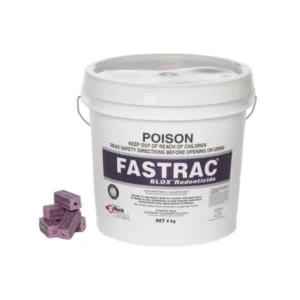
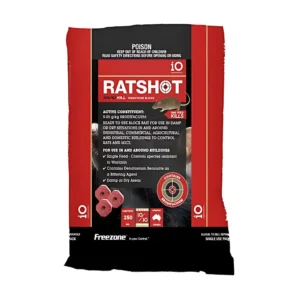
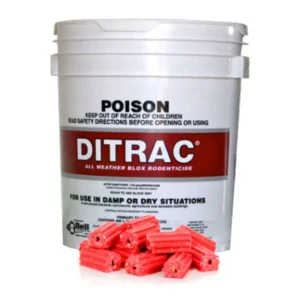
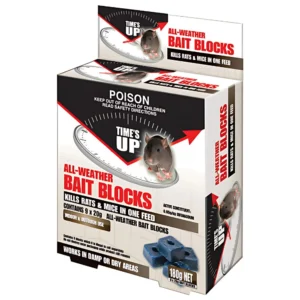
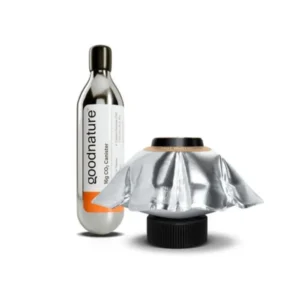
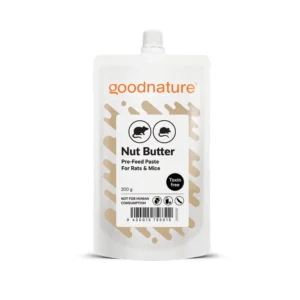
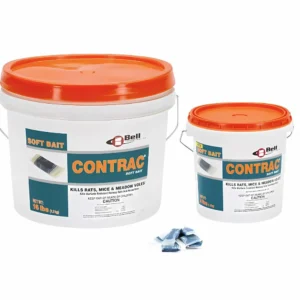
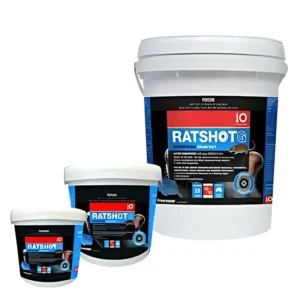
IO Ratshot Blue Grain Bait
$27.50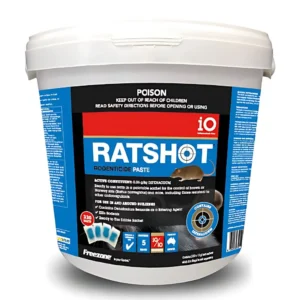
How to Choose the Right Bait: Key Factors to Consider
Choosing the right bait for rats is not a one-size-fits-all process—it requires careful assessment of your specific infestation situation to achieve effective and safe rodent control. Several key factors influence which rat control bait will work best for your needs, ensuring you use the best bait for rats that maximizes attraction, consumption, and ultimately eradication.

1. Rodent Species Identification
Knowing whether your problem involves Norway rats, Roof rats, or House mice is critical. Each species has unique dietary preferences—Norway rats favor grains and nuts, Roof rats prefer fruits and softer foods, and House mice may respond better to sweet grains. Tailoring bait choice to the species ensures higher effectiveness. Many modern ready-to-use products are already formulated to suit these diets, for example grain blocks for Norway rats, fruit-flavoured pastes for Roof rats, and sweet grain pellets for House mice.
This factor decides: Type of bait (flavour profile and food base) to use.
2. Infestation Size and Behavioral Patterns
A large, well-established infestation may require more robust, professional-grade baits, while a smaller or early-stage problem can often be handled with simpler options. Understanding rodent activity—such as common travel routes and feeding times—helps in selecting and placing bait optimally. Stronger formulations with higher active ingredient levels or packages intended for multiple placements are often used in larger infestations, while lighter, standard blocks or pastes are generally enough for smaller problems.
This factor decides: Strength of bait and amount/number of bait placements.
3. Location and Environmental Conditions
Indoor and outdoor environments present different challenges. Indoor baiting requires attention to safety around children and pets, favouring tamper-resistant stations and low-toxicity formulations. Outdoors, bait must withstand rain, humidity, and heat, so moisture-resistant wax blocks or hardened pellets are commonly preferred to maintain effectiveness over time.
This factor decides: Bait durability and the most suitable placement method.
4. Availability of Alternative Food Sources
Rodents are often cautious around new foods. If natural food is abundant, such as pet food, grain, or fallen fruit, they may ignore bait. In these situations, high‑aroma options—like peanut butter, cooked meat, or blends with added food-grade attractants—can help outcompete existing food sources and improve uptake.
This factor decides: Bait attractiveness level and scent strength required.
5. Safety and Non‑target Impact
Protecting pets, children, and wildlife is a priority. Using bait stations, choosing lower-toxicity options, or starting with non-toxic monitoring baits can reduce risks. Many products are sold with clear toxicity labelling and are compatible with tamper-resistant stations, ensuring they can be deployed safely in sensitive environments.
This factor decides: Bait toxicity level and containment/protection measures.
6. Bait Formulation and Physical Presentation
Baits come as soft pastes, blocks, pellets, or weather‑resistant wax forms. Soft pastes offer high palatability but are best indoors, while blocks and pellets stand up better to outdoor conditions. Choosing the right form ensures the bait stays fresh and effective in its intended location—pastes and grains for quick indoor uptake, wax-coated blocks for resilience outdoors.
This factor decides: Bait physical format and its longevity in the chosen setting.
7. Ongoing Monitoring and Adaptation
Keeping track of bait uptake and rodent activity allows you to respond to changes quickly. If interest drops, rotating flavours or formats can overcome bait shyness. Having a few different products on hand makes it easier to adjust your approach and maintain effectiveness over time.
This factor decides: Changes to bait type, placement, and usage over time for optimal results.
Practical Steps & Tips for Assessment
-
- Identify the rodent species – Check droppings, gnaw marks, and nesting locations; shape/size of droppings to identify the species.
- Match bait to diet – Leave small food samples to see what’s eaten first.
- Assess infestation size – More than one sighting in daylight usually means a larger infestation → stronger baits & more placements.
- Determine environment – Indoors → use soft baits in stations; Outdoors → use weatherproof blocks or pellets.
- Check for competing food sources – Bait will work best if competing foods are removed or reduced.
- Apply safety measures – Always use tamper-resistant bait stations where pets, children, or wildlife are present.
- Select bait formulation – Soft baits for quick indoor uptake; block/pellet baits for outdoor durability.
- Place bait strategically – Along walls, near droppings, in dark corners, or at burrow entrances.
- Monitor results – If bait is untouched after a week, change bait type or location.
- Adapt as needed – Rotate between sweet, savory, and fatty bait profiles to maintain interest.
Example Situations

Example 1 – Urban Apartment Infestation
(Roof Rats)
Situation Assessment:
Maria lives in a third-floor apartment in Sydney and has noticed gnaw marks on fruit in her kitchen and scratching noises in the ceiling at night. Droppings are small and spindle-shaped, a sign of Rattus rattus (Roof rats). There are no small children or pets in her home, but the building has shared roof spaces. Given her location and the climbing ability of this species, she suspects the rats are entering through gaps near rooftop vents.
Choosing the Right Bait:
Knowing Roof rats prefer fruits, nuts, and soft aromatic foods, Maria opts for a combination of dried apricots and peanut butter as rat trap bait inside snap traps placed in roof cavities and along ceiling beams. She chooses safe rat bait options without rodenticide to avoid secondary poisoning risks to non-target animals that may enter the roof space. Because the infestation is indoors, she refreshes the bait every 2–3 days to maintain freshness and maximise attraction.

Example 2 – Farm Machinery Shed Infestation
(Norway Rats)
Situation Assessment:
James owns a grain farm in rural Victoria and notices burrows along the walls of his machinery shed, chewed feed sacks, and grease marks along the lower part of the walls. Droppings are large, blunt-ended, indicating Rattus norvegicus (Norway rats). The environment is semi-open, with grain storage nearby and working dogs on the property.
Choosing the Right Bait:
Norway rats have a strong preference for high-calorie, protein-rich foods like sunflower seeds, nuts, and oats. James selects weather-resistant commercial rodent blocks fortified with grain attractants as his primary rat control bait, and places them in tamper-resistant bait stations to protect his dogs and local wildlife. The stations are positioned along the rats’ ground travel paths between the grain shed and burrows. He also uses small amounts of peanut butter to pre-bait traps, helping overcome their natural wariness.

Example 3 – Restaurant Storage Room Infestation
(House Mice)
Situation Assessment:
Liam manages a busy restaurant in Melbourne. Staff have reported seeing small droppings and signs of gnawed packaging in a dry goods storage area. The droppings are tiny, pointed at both ends, indicating Mus musculus (House mouse). Because food is stored in cardboard boxes on shelving, the mice have easy access to grains, flour, and dried goods. The environment is warm and food-rich, and as this is a commercial food business, strict hygiene and non-toxic options must be prioritised.
Choosing the Right Bait:
Knowing house mice are attracted to high-protein and high-fat foods, Liam uses small amounts of peanut butter and rolled oats in multi-catch live traps to avoid contamination risks from rodenticides. He positions traps along walls and behind shelving, where droppings were found. For long-term prevention, he also arranges for a licensed pest control contractor to install tamper‑resistant bait stations containing commercial soft bait blocks in non-food-preparation zones, ensuring all usage complies with Australian workplace and food safety regulations.

Example 5 – Family Home Infestation with Pets and Children
(Norway Rats and Roof Rats)
Situation Assessment:
The Williams family lives in a suburban Brisbane home with two young children and a pet dog. They have noticed gnaw marks on food packaging in the pantry and scratching noises in the ceiling, along with droppings typical of Norway rats and roof rats. Because of the presence of children and pets, safety is a top priority. The home has outdoor access points like garden sheds and roof vents, making it vulnerable to rodent entry.
Choosing the Right Bait:
To protect their family, the Williams use tamper-resistant bait stations with weatherproof commercial rodent bait blocks placed strategically around the perimeter and inside low-traffic indoor areas like laundry and pantry. Baits with reduced secondary poisoning risk are preferred. For quick trapping, they use snap traps baited with a small amount of peanut butter, placed inside secure boxes to prevent access by children and pets. The family also maintains regular bait replacement and monitors for bait consumption, ensuring ongoing safety while effectively targeting both indoor and outdoor rodent activity.
By choosing the right bait and using it effectively, you can tackle infestations faster, protect your property, and maintain a safer, healthier environment for everyone.
 Mosquito Traps