





Post Winter Garden Care: Reviving Your Garden for Spring


Post Winter Garden Care: Reviving Your Garden for Spring
As winter fades and the signs of spring begin to emerge, it’s time to shift focus to preparing your garden for spring. Post winter plant care is essential for restoring vitality to your garden, addressing any winter plant damage, and setting the stage for a flourishing growing season. Months of cold weather, frost, and excess moisture can leave your landscape battered and plants stressed. Ignoring the impact of winter can delay healthy growth, waste valuable planting time, and reduce your garden’s potential for the coming spring.
Start your spring gardening prep by assessing your garden’s condition and giving your plants exactly what they need to revive after winter. From cleaning to feeding, these essential steps will help you wake up your garden after winter and ensure that it thrives through the growing season.
Inspecting Plants for Winter Damage and Stress
Before diving into tasks, take a close-up look at your garden to identify signs of winter stress in plants.
Winter conditions—such as frost, snow, or waterlogged soil—can cause deep tissue damage, root rot, dieback, and weakened bark.
Spotting these early enables you to act fast and prevent further decline.
Common Symptoms of Winter Damage
-
Leaf discoloration or browning: Foliage may be yellow, brown, or show translucent patches due to cold burn.
-
Wilting or dieback: Top growth that appears limp, brittle, or fails to bud may have suffered freeze or desiccation.
-
Split bark or stems: Rapid temperature changes can cause bark to crack, especially on young or thin-barked plants.
-
Root damage: Waterlogged soils and ice can suffocate roots, leading to mushy, discoloured tissue and poor regrowth.
-
Bud drop or blossom loss: Buds that remain closed, shrivel, or drop without opening signal cold injury.
Steps to Check For Winter Damage On Plants
-
Survey your entire garden. Check lawns, flower beds, shrubs, trees, and potted plants.
-
Inspect at ground level. Dig lightly around the root zone to assess for rot, compaction, or insect activity.
-
Look for pests and fungal issues. Damaged tissue is more vulnerable to opportunistic infestations, so examine closely for mould or insects.
-
Take notes or photos. Record areas and plants needing attention for targeted action.

Repairing Winter Plant Damage
Once you’ve identified signs of winter damage, prompt repair helps revive your plants after winter and supports a healthy spring garden prep.
Follow these straightforward steps:
-
Prune damaged areas carefully: Use clean, sharp tools to remove brown, brittle, or broken stems and branches. Cut just above healthy buds or joints to encourage new growth and avoid leaving stubs that invite disease.
-
Treat split bark and stems: For minor splits, gently realign the bark and secure it with tree tape or soft ties to protect the wounds. Remove severely cracked branches to prevent further damage.
-
Address root and base damage: If roots are mushy or blackened from rot, improve drainage and aerate the soil around plants. Avoid overwatering to reduce stress and support root recovery.
-
Support weakened plants: Stake or tie up strained branches to help plants maintain structure while they recover. This also helps wake up your garden after winter by preventing further injury.
-
Delay heavy fertilizing: Wait until new growth appears before applying balanced fertilizer, ensuring plants can best use the nutrients without risk of shock.
-
Remove irreparable plants: Sometimes, plants severely damaged beyond revival should be replaced to allow fresh, healthy growth in your spring gardening prep.
| Plant Feature | What to Look For | Potential Action |
|---|---|---|
| Leaves/Foliage | Browning, curling, desiccation | Prune damaged parts |
| Stems/Branches | Splitting, breakage, dieback | Trim above healthy growth |
| Buds/Flowers | Shriveled, unopened buds | Remove and encourage new |
| Roots/Base | Soft, blackened, compacted | Improve drainage, aerate |
Spring Garden Clean-Up: Clearing Beds and Winter Debris
One of the most important first steps in preparing your garden for spring is a thorough garden clean up after winter. Months of cold, damp weather leave behind a mess—dead leaves, fallen twigs, frost-damaged plants, matted mulch, and compacted soil.
If this debris is left unchecked, it can smother emerging growth, attract pests, and promote fungal diseases.
A well-planned clean-up helps wake up your garden after winter by clearing the way for sunlight, air circulation, and healthy regrowth. Plus, it gives you a chance to spot early signs of problems like winter plant damage or emerging weeds—while reclaiming your garden’s structure after seasonal neglect.

Key Spring Garden Bed Clean-Up Tasks
1. Remove Winter Mulch
-
-
-
In late winter or early spring, pull back any mulch that was applied for frost protection so the soil can begin to warm.
-
Removing dense layers of mulch also helps prevent rot and gives emerging perennials space to grow.
-
-
2. Cut Back Spent Perennials and Annuals
-
-
-
Prune or pull up dead foliage and stems left in place for winter interest or as a shelter for pollinators.
-
Cut neatly at the base but double-check for signs of new growth before removing stems.
-
-
3. Collect Fallen Leaves, Twigs, and Debris
-
-
-
Rake gently around beds to remove dead material and prevent compaction around new shoots.
-
Shred and compost healthy debris; dispose of diseased material separately to avoid reinfection.
-
-
4. Weed Early and Often
-
-
-
Spring is the time to get ahead of weeds before they spread.
-
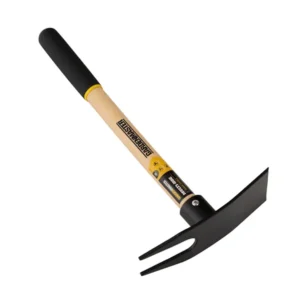
Use a hoe or hand-pull weeds from moist soil while roots are loose and visible.
-
-
5. Edge Garden Beds
-
-
-
Use a spade or edging tool to redefine garden bed borders that may have shifted or lost shape during winter.
-
This gives your garden fresh structure and makes ongoing maintenance easier.
-
-
6. Inspect for Pests and Soil Conditions
-
-
-
Look under mulch, pots, and ground cover for slugs, aphids, and larvae.
-
Feel the soil—if it’s too compact, consider aerating or lightly forking it to improve root penetration and oxygen flow.
-
-
Clean-Up Tips for Specific Areas
| Garden Area | Spring Clean-Up Tip |
|---|---|
| Flower Beds | Remove deadheads and clear space around emerging perennials. |
| Vegetable Patches | Pull up old crop remnants and amend soil with compost. |
| Lawn Borders | Reseed thin patches and remove leaf litter that blocks sunlight. |
| Shrub Beds | Clear ground-level branches and debris to prevent rodent shelter. |


Pruning Trees and Shrubs to Wake Up Your Garden After Winter
Pruning is an essential part of post winter garden care, especially to manage winter plant damage and set up your woody plants for healthy structure and growth.

Why Prune After Winter?
-
Remove Dead or Damaged Wood: Winter can cause broken branches, frost damage, and other stresses. Pruning removes these weak parts to prevent decay and disease.
-
Encourage New Growth: Pruning signals plants to direct their energy into producing fresh shoots, leaves, and flowers for spring and summer.
-
Improve Plant Shape and Airflow: Thinning out crowded branches allows more light and air to reach the center of the plant, reducing disease risk and supporting photosynthesis.
-
Control Size and Structure: Pruning helps keep trees and shrubs balanced and prevents them from outgrowing their space or overshadowing other plants.
Additional Pruning Tips
- Certain shrubs that bloom on old wood (such as lilacs and forsythia) should be pruned right after flowering.
- Avoid pruning evergreens and some early bloomers in winter, as this can damage them
- Dispose of removed branches and debris to prevent pest and disease issues.
- After pruning, monitor plants for new growth and check for any signs of stress or pest activity.
- Mulch around the base to conserve moisture and regulate soil temperature.
- For severely damaged shrubs, rejuvenation pruning (cutting back to near ground level) in early spring can stimulate strong new growth.
Tools You’ll Need
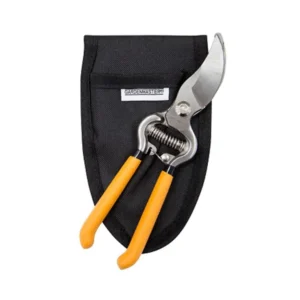
- Bypass Secateurs: Ideal for small branches up to about 2 cm thick. Provide a clean, scissor-like cut.
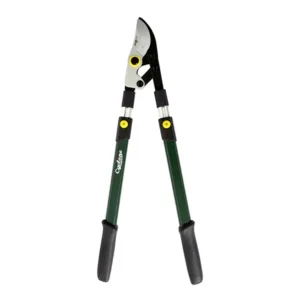
- Loppers: For thicker branches and higher reach; can cut up to 5-5.5 cm diameter.
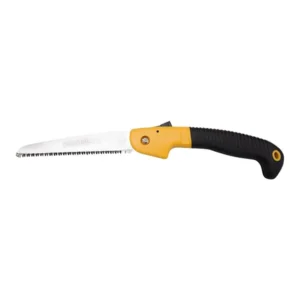
- Pruning Saw: Essential for removing large or tough branches that secateurs and loppers can’t handle.
- Pole Pruners: Helpful for cutting high branches without a ladder.

How to Prune Properly
-
Use Sharp, Clean Tools: Always use well-maintained secateurs, loppers, or pruning saws to make clean cuts that heal quickly. Sterilize tools if dealing with diseased branches.
-
Cut at the Right Spot: Make cuts just above an outward-facing bud or branch collar (the swollen area where a branch meets the trunk) to promote outward growth and prevent water pooling.
-
Remove No More Than One Third: When cutting back winter-damaged or overgrown wood, don’t remove more than one-third of the plant at a time to avoid stressing the shrub or tree.
-
Employ Proper Cutting Techniques:
-
Heading Cuts (cutting back to a bud) encourage bushier growth.
-
Thinning Cuts (removing whole branches at the base) improve airflow and reduce congestion.
-
For large branches, use a three-cut method to avoid tearing bark and causing large wounds.
-
Reviving Soil Health: Refresh and Amend Before Spring Planting

Reviving soil health after winter is a crucial step in post winter plant care that lays the groundwork for a thriving garden come spring. Winter’s cold temperatures, wet conditions, and freeze-thaw cycles can leave soil compacted, nutrient-depleted, and less conducive to healthy root growth. By restoring your soil’s vitality, you prepare the garden for robust new growth and a successful spring gardening prep.
- Clear Beds and Borders: Remove old roots, weeds, and leftover mulch to give you direct access to the soil surface.
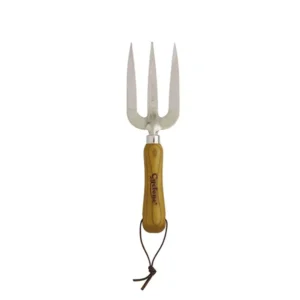
- Loosen Compacted Layers: Gently break up hardened soil with a fork or hand cultivator to improve aeration, drainage, and root penetration. Avoid deep tilling to protect existing soil structure.
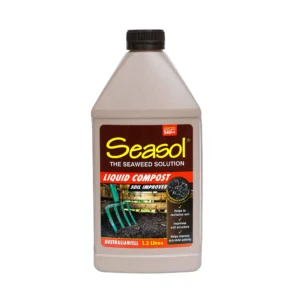
- Incorporate Organic Matter: Work in well-aged compost, rotted manure, or leaf mold. This restores organic material and microbes lost over winter and supports a thriving soil ecosystem.
- Check and Correct pH: Use a soil testing kit to assess pH and nutrient levels. Add lime for acidic soils or sulfur for alkaline soils to optimise nutrient uptake as part of your spring gardening prep.
- Improve Soil Texture: For sandy soils that drain too fast, add compost to retain moisture; for clay soils that hold water, incorporate coarse sand or fine grit to enhance drainage.


Feeding, Mulching, and Prepping for New Spring Growth

Once your soil is refreshed, it’s time to focus on nourishing your plants and creating stable growing conditions for the months ahead. This stage is less about the structure of the soil and more about ongoing plant support—ensuring your revived garden after winter has the energy and protection it needs to thrive.
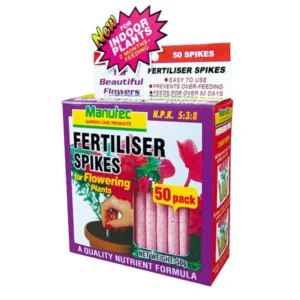
As the weather warms up, fertilising your garden in spring will kick start your garden for stronger plant growth.
Steps to Feed and Protect Plants in Early Spring:
-
Begin Feeding Actively Growing Plants: When you see signs of new growth, apply a balanced, slow-release fertilizer tailored to your plants’ needs. Avoid feeding dormant plants to prevent forcing weak, frost-sensitive shoots.
-
Choose the Right Fertiliser Type:
-
Flowering plants: Fertiliser higher in potassium to encourage blooms.
-
Leafy greens: Nitrogen-rich feed for lush foliage.
-
Fruit trees: Balanced feed with micronutrients for strong fruit set.
-
-
Mulch to Protect and Nourish: Apply a 5–7 cm layer of organic mulch such as bark chips, straw, or shredded leaves around plants—keeping it away from direct contact with stems. Mulch conserves soil moisture, suppresses weeds, and regulates temperature swings.
-
Retain Spring Soil Gains: Mulch also protects the nutrient-rich soil you amended earlier from erosion, improving the longevity of your post winter plant care.
-
Support Emerging Growth: Stake tall perennials, train climbers, and space plants to promote airflow and reduce the risk of fungal disease during early growth.



With the right post winter garden care, you can repair damage, refresh your soil, and set the stage for a healthy, thriving garden that flourishes all spring long.
Read more from Pestrol:
- Late Winter Weed Control: How to Eliminate Weeds Effectively Before Spring
- The Best Season for Fertiliser: Feeding Your Garden in Spring
- Winter Grass Weed Control: How to Identify, Prevent and Eliminate Poa Annua
- Guide to Winter Garden Maintenance in Australia
- How to Care for your Lawn during Winter in Australia
- How to Get Rid of Slugs and Snails in Your Garden
 Mosquito Traps