





Potassium Fertiliser: What You Need To Know For Better Plant Growth


Potassium Fertiliser: What You Need To Know For Better Growth
Potassium is a key nutrient in plant growth, helping improve strength, yield, and resilience. This blog explains the benefits of potassium fertiliser, the main types of potassium in fertilisers, and practical tips on application, so you can prevent potassium deficiency in plants and support healthier, more productive growth.
What is Potassium?
Potassium is a naturally occurring mineral and one of the three essential macronutrients in plant nutrition, represented as the element “K” in NPK fertilisers. While nitrogen fertilisers stimulate leafy growth and phosphorus fertilisers support roots and flowers, potassium plays a more regulatory role in plant health. It helps control how plants use water, manage enzyme activity, and transport sugars produced during photosynthesis. In home gardens, potassium is often introduced through specialised garden fertiliser potassium blends or balanced fertilisers that contain nitrogen, phosphorus, and potassium.
Benefits of Potassium Fertiliser for Healthy Plant Growth
The benefits of potassium fertiliser are wide-ranging, making it essential for both home gardeners and commercial growers.
Some of the most recognized benefits of potassium for plants include:
-
Improved drought tolerance – Potassium enhances water regulation in plant cells, helping crops withstand dry conditions.
-
Stronger disease resistance – Plants with adequate potassium levels are less vulnerable to fungal and bacterial infections.
-
Better nutrient use efficiency – Potassium regulates how plants absorb and process other nutrients, preventing imbalances.
-
Enhanced crop quality – In fruiting and flowering plants, potassium contributes to better flavour, color, and storage life.
-
Increased yield potential – One of the key benefits of potassium fertiliser for crops is higher productivity and healthier harvests.
For example, tomatoes and potatoes grown with sufficient potassium are firm, richly coloured, and more resistant to bruising, making potassium fertiliser for crops an important investment.
Plants That Need Potassium the Most
Not all plants demand the same level of potassium. Certain crops and ornamental species thrive best with high potassium in fertiliser dosing. Examples of plants that need potassium include:
-
Root vegetables such as potatoes, carrots, and beetroot
-
Fruit-bearing plants like tomatoes, peppers, cucumbers, and pumpkins
-
Perennial fruit trees and vines including apples, bananas, citrus, and grapes
-
Flowering ornamentals that require vibrant blooms, such as roses and chrysanthemums
For these plants, applying fertiliser rich in potassium can significantly improve productivity, flavour, and visual appeal.
Plants That Do Not Require Excessive Potassium
While many crops thrive with higher potassium, some do not require as much supplementation. Overuse of potassium on these plants may even disrupt nutrient balance. Examples include:
-
Leafy greens such as spinach, lettuce, and kale
-
Legumes like beans and peas, which rely more on nitrogen for leafy biomass
-
Certain herbs such as basil and parsley that focus on leaf growth rather than fruiting
For these plants, a balanced all-purpose NPK fertiliser with potassium may be more effective than applying high-potassium blends.
Types of Potassium Fertilisers
There are several types of potassium fertiliser available, each designed to meet the nutrient needs of different crops and soil conditions. Choosing the right option can make a significant difference to yield, water efficiency, and long‑term soil health. Below is a detailed look at the most common and sustainable potassium sources used in modern agriculture and gardening.
Potassium Chloride (Muriate of Potash, MOP)
Potassium chloride, commonly known as muriate of potash or MOP, is the most widely used potassium fertiliser globally. It contains around 60% potassium (K2O), making it a cost-effective and concentrated source of nutrients for agriculture. MOP is often applied to large-scale field crops such as grains, sugarcane, and pastures that are tolerant to higher chloride levels. However, this fertiliser is less suitable for chloride-sensitive crops such as tobacco, citrus, grapes, and potatoes, as excessive chloride can negatively affect crop quality and soil health. Since MOP can contribute to soil salinity issues if misapplied, it is important to manage application carefully based on soil conditions and crop type.
Potassium Chloride is best for: Grains, sugarcane, maize, pastures, and other chloride-tolerant field crops.
Potassium Sulphate (Sulfate of Potash, SOP)
Potassium sulphate, or sulphate of potash (SOP), is a high-quality potassium fertiliser containing about 50% potassium and 18% sulfur. Unlike MOP, SOP is virtually chloride-free, which means it is ideal for chloride-sensitive crops. SOP plays a vital role in enhancing fruit quality, boosting colouration, improving taste, and extending shelf life. Sulfur in the fertiliser also helps support protein synthesis and strengthens plant resistance. It is particularly valued in horticulture and high-value crop production where both potassium and sulfur are critical for premium yield and marketability.
Potassium Sulphate is best for: Tomatoes, citrus, grapes, coffee, tea, tobacco, leafy greens, and high-value horticultural crops
Potassium Nitrate (NOP)
Potassium nitrate, also called nitrate of potash (NOP), provides two essential nutrients in highly soluble form: 13% nitrate nitrogen and 46% potassium. It is widely used in hydroponics, greenhouse production, and fertigation systems because it dissolves completely in water and can be delivered directly through irrigation. NOP encourages strong vegetative growth while improving flowering and fruiting, making it particularly effective during crop stages that require both nitrogen and potassium simultaneously. Because it is chloride-free and has a low salt index, it is excellent for sensitive, high-value crops grown intensively.
Potassium Nitrate is best for: Hydroponics, strawberries, berries, lettuce, capsicum, cut flowers, greenhouse crops, precision fertigation.
Potassium Magnesium Sulphate (Langbeinite)
Potassium magnesium sulphate, known as langbeinite, is a naturally occurring mineral fertiliser that provides potassium (22%), magnesium (11%), and sulfur (22%) all in one application. Its unique nutrient profile makes it especially beneficial in soils lacking both magnesium and potassium. The magnesium component enhances chlorophyll production and photosynthesis, while the sulfur supports protein formation, enzyme function, and plant resilience. Since langbeinite is chloride-free, it is safe for salt-sensitive crops and is popular among growers aiming for sustainable fertiliser practices because it reduces the need for multiple separate nutrient applications.
Potassium Magnesium Sulphate is best for: Fruit trees, grapes, potatoes, vegetable crops, and soils low in magnesium or sulfur.
Organic Potassium Sources
For gardeners and farmers adopting sustainable fertiliser practices, organic potassium sources provide a slow-release and environmentally friendly way of supplying potassium. Wood ash is a traditional amendment that contains potassium and trace minerals but should be applied carefully to avoid increasing soil alkalinity. Seaweed extracts are another excellent garden fertiliser potassium option, offering potassium along with natural growth hormones that stimulate root development and stress resistance. Compost and well-rotted manure contribute potassium more slowly while improving soil health, organic matter, and moisture retention. While these inputs release nutrients gradually, they are highly sustainable and support long-term soil fertility.
Organic Postassium Fertilisers are best for: Home gardens, organic farms, sustainable systems, and improving soil health alongside potassium supply.
Liquid vs Granular Potassium Fertilisers
Potassium fertilisers are available in both granular and liquid formulations, with each serving different growing systems. Granular fertilisers are typically applied in broadcasting or banding methods and are suited for broad-acre cropping where slow and steady nutrient release is required. Liquid potassium fertilisers, on the other hand, are preferred for fertigation or foliar spraying in intensive horticulture. They provide rapid uptake, making them ideal when growers need to quickly address potassium deficiency in plants or deliver nutrients at targeted growth stages.
Granular Potassium Fertiliser is best for: broad-acre crops with long growth cycles.
Liquid Potassium Fertiliser is best for: hydroponics, fertigation, foliar application, and intensive horticulture.
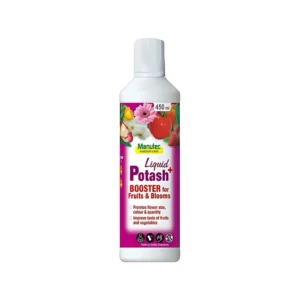
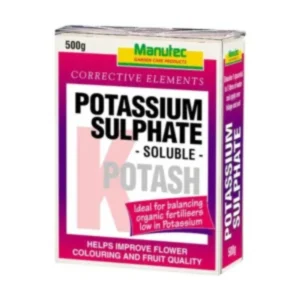


Richgro 1kg Soluble Powder Sulphate of Potash
3 reviews Original price was: $13.99.$12.90Current price is: $12.90.
How to Choose the Best Potassium Fertiliser for Your Plants
Selecting the right potassium fertiliser is not a one‑size‑fits‑all decision.
Different soils, crops, and growing conditions determine whether plants will benefit more from potassium chloride, sulphate of potash, potassium nitrate, or organic potassium sources. By considering the following factors, growers and gardeners can maximise the benefits of potassium fertiliser while ensuring long‑term soil and crop health.
Soil Potassium Levels
The first step in deciding which potassium fertiliser to use is conducting a soil test. Many soils, especially sandy or heavily cropped farmland, become depleted of potassium over time. A test indicates whether there is a potassium deficiency in plants due to low soil availability. If soils already contain adequate potassium, applying more can cause nutrient imbalances, while potassium‑poor soils may require a more concentrated option like MOP or SOP. Tailoring fertiliser use to soil test results ensures efficiency and prevents waste.
Crop Type and Sensitivity
Not all plants react the same way to potassium or chloride. Plants that need potassium in higher amounts, such as root crops, tomatoes, grapes, and fruit trees, generally perform better with potassium sulphate or potassium nitrate. On the other hand, leafy greens and legumes that are less dependent on potassium may only require a balanced NPK fertiliser with potassium rather than high‑potassium products. Chloride-sensitive plants such as citrus, grapes, potatoes, and tobacco should avoid muriate of potash (MOP) and instead be given SOP or organic alternatives.
Growth Stage of the Plant
Another important factor is the stage of growth. Potassium demand usually increases during critical developmental periods such as flowering, fruiting, or tuber formation. Applying potassium nitrate during these stages ensures plants receive both nitrogen and potassium exactly when they need it most. For long lifecycle crops, periodic split applications of potassium fertiliser for crops help sustain consistent nutrient availability over time.
Method of Application
When deciding how to apply potassium fertiliser, consider whether the crop will benefit most from granular or liquid forms. Granular fertilisers like MOP or SOP are ideal for broad‑acre, long‑term release, while liquid forms such as potassium nitrate are better suited for fertigation, hydroponics, or foliar applications where immediate nutrient uptake is required. Choosing the right format ensures nutrients are delivered efficiently and precisely to the crop.
Climate and Environmental Conditions
Environmental conditions also determine the most effective types of potassium fertiliser. In drier climates, potassium helps improve drought resistance and water use efficiency, so ensuring consistent potassium supply is vital. In regions where soil salinity is already a problem, chloride‑free options like SOP or langbeinite support better yields while preventing further soil degradation. For environmentally conscious growers, organic potassium inputs such as seaweed extracts or compost contribute to sustainable fertiliser practices, improving soil health over the long term.
Cost and Availability
Economics also play a role in fertiliser decisions. Potassium chloride is usually the cheapest and most readily available option, making it popular for large‑scale farming. However, higher-quality fertilisers like SOP and potassium nitrate, though more expensive, are often essential for delicate crops where product quality directly impacts value, such as wine grapes, tomatoes, and exporting fruits. Gardeners often find investing in garden fertiliser potassium products with premium blends pays off by improving plant vitality and yield.
Sustainability and Soil Health
Finally, fertiliser choice should not only address immediate plant needs but also long‑term soil sustainability. Excessive use of chloride‑based fertilisers can lead to soil degradation, whereas multi‑nutrient options like langbeinite or organic potassium sources can improve soil balance while feeding crops. Integrating compost or natural potassium amendments into fertiliser programs helps maintain organic matter and supports sustainable fertiliser practices that align with modern agricultural and gardening goals.
Challenges of Using Potassium Fertilisers
While the benefits of potassium fertiliser are significant, there are also several challenges that growers need to be mindful of when integrating them into their farming or gardening practices. Understanding these limitations is essential for avoiding nutrient imbalances, soil issues, and environmental impacts while still maximising the benefits of potassium for plants.

- Nutrient Imbalance: Excessive use of potassium fertiliser can disrupt the uptake of other nutrients like calcium and magnesium, leading to deficiencies that reduce crop quality and plant health.
- Soil Salinity: Chloride-heavy types of potassium fertiliser, such as muriate of potash (MOP), may increase soil salinity over time. This is especially damaging to chloride-sensitive crops such as potatoes, citrus, and grapes.
- Leaching and Run-Off: In sandy soils or areas with high rainfall, potassium can leach below the root zone or wash away through run-off. This reduces fertiliser efficiency, wastes resources, and increases costs.
- Environmental Concerns: Mismanagement of potassium inputs can impact water quality and long-term soil fertility. Sustainable fertiliser practices are necessary to reduce these risks while still supporting healthy plant growth.
- Cost Challenges: While MOP is inexpensive and widely available, premium fertilisers like sulphate of potash (SOP) and potassium nitrate—better suited for high-value or chloride-sensitive crops—are more costly. This makes affordability a key factor for both commercial growers and gardeners using garden fertiliser potassium products.
Common Mistakes When Using Potassium Fertilisers
-
Over-application: Applying too much potassium fertiliser leads to nutrient lockout, preventing crops from absorbing calcium and magnesium effectively.
-
Wrong fertiliser type: Using MOP on chloride-sensitive plants can damage roots and reduce fruit quality. For these crops, SOP or potassium nitrate is more suitable.
-
Poor timing: Potassium is most effective when applied during key growth stages such as flowering, fruiting, or tuber formation. Missing these windows reduces effectiveness.
-
Ignoring soil testing: Skipping soil analysis can result in applying potassium where it is not needed, wasting resources and disturbing soil balance.
-
One-size-fits-all approach: Relying on only one fertiliser type or method, instead of combining granular, liquid, or organic types of potassium fertilisers, often limits nutrient efficiency and long-term soil health.
Best Practices for Applying Potassium Fertilisers
Following correct application methods ensures plants benefit fully from potassium while avoiding waste or environmental harm.
Knowing how to apply potassium fertiliser correctly is just as important as choosing the right type. Best practices include:
- Test Before Applying: Use soil tests to confirm potassium deficiency in plants and choose the right types of potassium fertiliser for your soil.
- Apply at the Right Time: Target key stages such as flowering, fruiting, or tuber growth to maximise the benefits of potassium for plants.
- Use Split Applications: Divide doses over the season to maintain steady potassium levels and reduce nutrient loss.
- Match Method to Crop: Use granular fertilisers for broad-acre fields and liquid options like potassium nitrate for fertigation or foliar sprays.
- Balance with Other Nutrients: Combine with nitrogen and phosphorus in NPK fertilisers with potassium to maintain proper nutrient balance.
- Adopt Sustainable Practices: Incorporate organic sources like compost, wood ash, or seaweed extracts to support sustainable fertiliser practices and soil health.
By choosing the right potassium fertiliser and applying it with proper timing, balance, and sustainable practices, you can prevent potassium deficiency in plants, boost yields, and enjoy healthier, more resilient growth in both home gardens and commercial crops.
Read more from Pestrol:
- Nitrogen Fertiliser: Benefits, Uses & Best Practices for Healthy Plant Growth
- Phosphorus in Fertilisers: Importance, Benefits and Best Practices for Garden Health
- The Best Season for Fertiliser: Feeding Your Garden in Spring
- Understanding NPK Fertiliser
- Understanding Powerfeed: A Comprehensive Guide
- Spring Gardening Tips.
 Mosquito Traps