





Allium Vegetables: Health Benefits, Varieties, and Growing Tips for Your Garden


Allium Vegetables: Health Benefits, Varieties, and Growing Tips for Your Garden
Allium vegetables, a diverse group that includes garlic, onions, leeks, and chives, are valued not only for their distinctive flavors but also for their impressive health benefits. Whether you’re exploring ways to enhance your diet or interested in cultivating your own garden, understanding the different types of allium vegetables and their nutritional advantages is essential.
Understanding Alliums: The Garlic and Onion Family
The term alliums refers to a diverse group of plants in the Allium genus, which includes flavorful kitchen staples and striking ornamental varieties. The Allium family, often called the garlic and onion family, encompasses bulbs, tubers, and perennials prized both for their culinary and health benefits. Alliums thrive in many climates, making them popular in home gardens and commercial farming alike. Examples range from onions, garlic, shallots, leeks and chives to ornamental Allium giganteum.
The shared characteristics of allium vegetables include their pungent aroma, layered bulb structure, and sulfur-containing compounds that give them unique flavors and notable nutrition benefits. Alliums are recognized not only for cooking versatility but also for their disease resistance and soil-improving qualities.
What Are Allium Vegetables? A Guide to Types and Varieties
Allium vegetables are edible members of the Allium genus and form an essential part of cuisines worldwide. The allium vegetable list includes:
- Onions (red, yellow, white)
- Garlic
- Shallots
- Leeks
- Chives
- Spring onions / Scallions
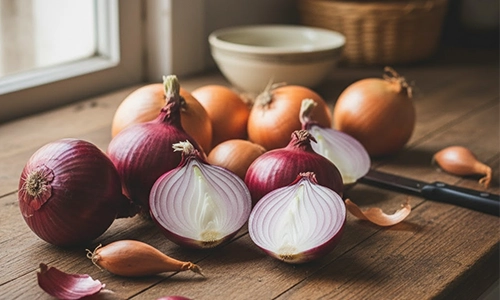
Onions (Red, Yellow, White)
Onions are among the most versatile and widely used allium vegetables, available in multiple varieties such as red, yellow, and white onions. Belonging to the garlic and onion family, they are a staple in kitchens worldwide and provide a range of flavors from sharp and pungent to mild and sweet. Yellow onions, with their robust flavor and strong aroma, are ideal for long-term storage and are commonly used in soups, stews, and braises. Red onions, on the other hand, have a sweeter taste that shines in raw applications like salads and sandwiches but have a shorter shelf life. White onions, including smaller varieties like pearl onions, are often preferred for pickling due to their delicate texture and flavor.
Onions contain sulfur compounds that contribute to their characteristic taste and many of the notable health benefits of allium vegetables. These compounds are linked to antioxidant effects, immune support, and heart health benefits. Nutritionally, onions offer vitamin C, B vitamins like folate and B6, potassium, and soluble fibers such as fructans, which promote gut health by supporting beneficial bacteria.
From a gardening perspective, growing onions can be done from seeds or immature bulbs called sets, with some varieties suited for overwintering crops. Proper soil preparation ensuring good drainage and consistent watering is key to growing onions successfully. When it comes to storage, yellow onions keep best in a cool, dry, and well-ventilated environment, helping retain their flavor and extending shelf life.
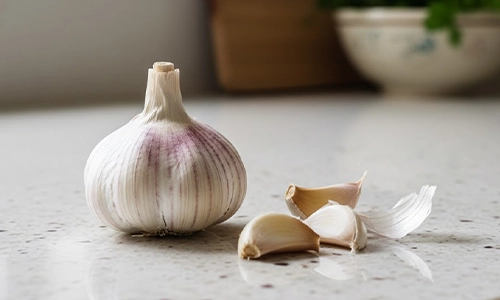
Garlic
Garlic (Allium sativum) stands out as one of the most potent members of the allium vegetable list both in flavor and health benefits. Originating from Central Asia, garlic is a hardy perennial grown primarily as bulbs composed of multiple cloves. It is renowned not only for its distinctive pungency but also for its wide-ranging medicinal properties that have been valued throughout history.
Garlic’s sulfur-containing compounds, especially allicin that forms when garlic is chopped or crushed, have powerful antioxidant, anti-inflammatory, and antimicrobial effects. Regular consumption of garlic is associated with cardiovascular benefits such as lowering blood pressure, reducing cholesterol levels, and preventing blood clots. It also supports immune function and may help regulate blood sugar, making it beneficial for managing insulin resistance and type 2 diabetes.
In cultivation, garlic is typically propagated by planting individual cloves rather than seeds. There are soft-neck and hard-neck varieties, each with distinct storage qualities and flavor profiles. Garlic thrives in well-drained soil and prefers full sun. For best allicin development and health effects, it is recommended to let chopped garlic rest for about 10 minutes before cooking.
Proper storage involves keeping garlic in cool, dry, and well-ventilated conditions to prevent mold and sprouting, with paper bags with punched holes being an excellent storage solution to maintain freshness.

Shallots
Shallots (Allium ascalonium) are close relatives within the allium vegetable list prized for their sweet and mild flavor, which sits delicately between onions and garlic. Their unique tapered bulbs often consist of several cloves clustered together, similar to garlic, and come in copper, red, or grey hues.
Popular among chefs for their subtle taste, shallots provide an excellent alternative when a less pungent, more refined allium flavor is desired in dressings, sauces, and gourmet dishes. Nutritionally, they share many of the health benefits of alliums, including antioxidants and sulfur compounds that aid immune health and cardiovascular function.
Shallots grow like other alliums and are typically propagated by planting bulbs or cloves. They prefer well-draining soil and moderate watering. Their storage life sits between onions and garlic, and they do well when kept in cool, dry, and ventilated places.
Culinary uses of shallots range from raw applications like vinaigrettes to slow cooking to develop their natural sweetness.
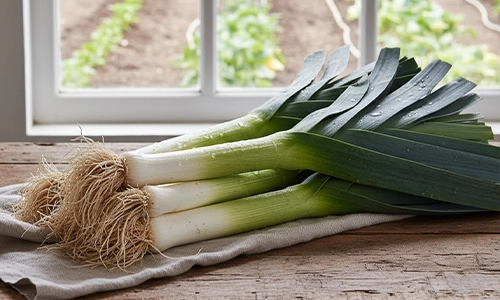
Leeks
Leeks (Allium ampeloprasum) are distinctive among allium vegetables due to their elongated stalks and mild, sweet flavor. Unlike bulb-forming alliums, leeks develop thickened leaf bases and are prized for adding depth and subtle onion-like notes to soups, stews, and stocks.
Leeks are rich in vitamins A, C, and K, alongside folate and manganese, contributing to their nutrition benefits. They also supply soluble fibers like inulin, supporting digestive health by promoting beneficial gut bacteria.
When growing leeks, gardeners sow seeds indoors before transplanting seedlings to the garden where they prefer loose, fertile soil with consistent moisture. They are well-suited to longer growing seasons and cooler climates.
For storage, leeks can be refrigerated wrapped loosely in plastic or stored in a root cellar for several weeks. Their mild flavor adapts well to both raw garnishes and cooked dishes.

Chives
Chives are among the mildest types of allium vegetables, recognizable by their slender green stems and onion-like aroma. They are mostly used as a fresh herb or garnish rather than as a bulk vegetable.
Packed with vitamin K and antioxidants, chives support bone health and immune function. Their subtle flavor enhances dishes without overpowering, making them perfect for salads, soups, and egg dishes.
Cultivating chives is straightforward; they thrive in full sun to partial shade and well-drained soil. They can be easily propagated by division or from seed.
Chives are typically harvested fresh and do not store well once cut but can be frozen for later use. Their delicate nature differentiates them from bulb-forming alliums, expanding the culinary versatility of the allium family.

Spring Onions / Scallions
Spring onions, also known as scallions, are young onions harvested before the bulb fully develops. They offer a milder onion flavor ideal for fresh salads, garnishes, and light cooking.
Unlike bulb-forming alliums, scallions have a long white stalk with green tops, both edible and valued for their crisp texture and subtle, fresh taste. Nutritionally, they provide vitamin C, vitamin A, and dietary fiber.
Growing spring onions is relatively quick and easy from seed, thriving in well-drained soil with ample watering. Their shorter growing cycle makes them suitable for successive sowings to provide a continual harvest.
For storage, spring onions should be kept in the refrigerator, ideally wrapped in a damp paper towel inside a plastic bag, to stay crisp for up to two weeks.
Health Benefits of Allium Vegetables: Nutrition and Wellness
Allium vegetables have long been celebrated not only for their distinctive flavors but also for their remarkable health benefits. Understanding the allium nutrition benefits reveals why they are staples in diets worldwide and how integrating them into meals can enhance wellness.
Nutritionally, allium vegetables are powerhouse sources of essential nutrients and bioactive compounds. They offer significant amounts of vitamins C and B6, manganese, and dietary fiber, which support immune function, metabolism, and digestive health. Beyond basic nutrition, alliums contain sulfur-containing compounds like allicin, responsible for their pungent aroma and flavour profile, which also exert potent antioxidant, anti-inflammatory, and antimicrobial effects. These properties contribute to cardiovascular health by reducing blood pressure and cholesterol levels, thereby lowering the risk of heart disease.
Research has also linked the health benefits of allium vegetables to cancer risk prevention. Compounds found particularly in garlic and onions have been shown to inhibit the growth of cancer cells and enhance detoxification enzymes in the liver. Additionally, alliums support blood sugar regulation and may play a role in managing diabetes, thanks to their ability to improve insulin sensitivity.
In summary, including a variety of allium vegetables in your diet is a practical and delicious way to boost overall health through their rich nutrient profiles and therapeutic compounds. Whether you are exploring the allium vegetable list for culinary inspiration or interested in growing onions and garlic in your garden, these versatile plants offer comprehensive wellness benefits that support a balanced, health-conscious lifestyle.
How to Grow Allium Vegetables in Your Garden


For garden enthusiasts, understanding how to grow allium vegetables at home can be rewarding; many allium plant varieties are adaptable and relatively easy to cultivate, contributing fresh, nutrient-rich additions to home cooking.
Site and Soil Preparation
-
Choose sunny locations; alliums need at least 6–8 hours of direct light daily.
-
Soil should be well-drained, rich in organic matter, with pH between 6.0 and 7.0.
-
Avoid planting in recently fertilized plots with high nitrogen — excessive leaf growth reduces bulb size.
Planting Allium Vegetables
-
Garlic: Plant cloves in autumn for summer harvest.
-
Onions: Plant sets or seedlings in early spring.
-
Chives: Sow seeds in spring or autumn; they also thrive in pots.
Spacing ensures optimal growth — typically 10–15cm between bulbs.
Care and Maintenance
-
Regular watering, especially during dry periods, while avoiding waterlogged conditions.
-
Mulching retains moisture and limits weeds.
-
Rotate crops to reduce pest risk, since the garlic and onion family can be susceptible to soil-borne diseases.
Harvesting
-
Onions: Harvest when tops fall over and dry.
-
Garlic: Pull when lower leaves yellow but upper leaves remain green.
-
Chives: Snip leaves regularly to encourage new growth.
Fertilising Tips For Your Garlic, Onions and other Vegetable Alliums
Fertilisers for garlic, onions, and other alliums like shallots, leeks, chives, and spring onions play a vital role in achieving healthy growth and flavorful, well-formed bulbs. Garlic fertiliser should provide ample nitrogen, especially early in the growing season, to encourage vigorous leaf growth which supports bulb development. However, it’s important not to overdo nitrogen late in the season to prevent soft bulbs that store poorly. Onion fertiliser and leek fertiliser share similar nutrient needs, with a focus on balanced fertilisers high in phosphorus and potassium to support root health and bulb quality.
Using organic options such as blood meal, fish emulsion, and well-rotted compost works well for all allium plant varieties, especially when applied as slow-release or side dressings throughout the season. Fertiliser application should begin before planting to enrich the soil and continue regularly during growth. This balanced approach helps these types of allium vegetables achieve optimal size, taste, and nutrition benefits.
-
Apply high-nitrogen fertiliser early to boost leafy growth (blood meal, fish emulsion)
-
Use balanced fertilisers with phosphorus and potassium at planting and during bulb formation (e.g., 10-20-10 fertilizer)
-
Incorporate organic matter like compost or manure before planting for soil fertility
-
Avoid excess nitrogen late in growth to ensure firm bulbs and good storage life
-
Include micronutrients such as boron and magnesium for best yield and flavor
-
Use slow-release fertilisers or side-dress every few weeks during the growing season


Alliums: the humble heroes of the kitchen that pack a powerful punch for your health.
Read more from Pestrol:
- Late Winter Weed Control: How to Eliminate Weeds Effectively Before Spring
- The Best Season for Fertiliser: Feeding Your Garden in Spring
- Winter Grass Weed Control: How to Identify, Prevent and Eliminate Poa Annua
- The Best Season for Fertiliser: Feeding Your Garden in Spring
- Potassium Fertiliser: What You Need To Know For Better Plant Growth
- Nitrogen Fertiliser: Benefits, Uses & Best Practices for Healthy Plant Growth
- Phosphorus in Fertilisers: Importance, Benefits and Best Practices for Garden Health
 Mosquito Traps