





What Is Chikungunya? Causes, Symptoms, and Prevention Explained


What Is Chikungunya? Causes, Symptoms, and Prevention Explained
Chikungunya is capturing global attention in 2025 as outbreaks surge across Africa, Europe, Asia, and the Americas, raising alarm among communities and health officials worldwide. This mosquito-borne virus causes sudden, high fever and intense joint pain, often leaving those infected debilitated for weeks or even months. With local health systems strained by rising case numbers, experts emphasize the urgent need for mosquito control and personal prevention measures to limit the virus’s spread. But what exactly is the chikungunya virus, and where did it come from? This blog will explore the origins, transmission, symptoms, treatment, and prevention tips to help you stay informed and protected amid this expanding health threat.
Understanding Chikungunya: Overview and Origins
Chikungunya is a mosquito-borne viral disease caused by the chikungunya virus (CHIKV), an RNA virus of the Togaviridae family. It was first identified during an outbreak in the United Republic of Tanzania in 1952. The name “chikungunya” comes from the Kimakonde language of southern Tanzania, meaning “that which bends up,” describing the contorted posture of people experiencing severe joint pain caused by the infection. Chikungunya has since caused outbreaks in over 110 countries across Asia, Africa, Europe, and the Americas. The virus primarily spreads through bites from infected Yellow Fever mosquitoes (Aedes aegypti) and Asian Tiger mosquitoes (Aedes albopictus), which thrive in tropical and subtropical regions, making chikungunya a growing global health concern. The increasing frequency of outbreaks is partially due to the virus’s adaptation and introduction into populations without prior immunity.
Key points about chikungunya origins and spread:
-
-
Initially caused sporadic outbreaks in Africa and Asia.
-
Since 2004, outbreaks have become more frequent due to viral adaptations and introduction into populations lacking immunity.
-
Spread is mainly via Yellow Fever mosquitoes (Aedes aegypti) and Asian Tiger mosquitoes (Aedes albopictus), which are active during the day.
-
Symptoms can resemble those of dengue and Zika, making diagnosis challenging in regions with multiple mosquito-borne diseases.
-
This broad distribution indicates chikungunya has become a significant global health concern, especially in tropical and subtropical regions.
How Chikungunya Virus Spreads to Humans
Chikungunya virus (CHIKV) is primarily transmitted to humans through the bites of infected female mosquitoes, especially through two species: Yellow Fever Mosquitoes and Asian Tiger Mosquitoes. These mosquitoes are daytime biters with peak activity periods early in the morning and late afternoon and acquire the virus by biting a person who is infected during the early stages of illness (usually the first week when the virus is present in the bloodstream). Infected mosquitos then trasmit the virus by biting other humans.
-
- Primary mosquito vectors: Aedes aegypti (feeds indoors and outdoors) and Aedes albopictus (feeds mostly outdoors).
- Human-to-mosquito transmission: During the first week of illness, an infected person has high levels of virus in their blood (viremia) making it possible for mosquitoes biting them to pick up the virus.
- Mosquito-to-human transmission: After ingesting the virus, the mosquito incubates the virus for 7–12 days while the virus replicates and spreads to its salivary glands.
- Subsequent infection: Once infectious, the mosquito can transmit the virus to a new human host through subsequent bites, perpetuating the transmission cycle.
Additional Transmission Routes:
-
-
Bloodborne transmission: Although rare, transmission can occur from exposure to infected blood, such as in healthcare settings or laboratory accidents.
-
Mother-to-child (vertical) transmission: Rare cases include virus transmission during pregnancy (mostly in the second trimester) or around the time of birth (intrapartum), leading to neonatal infection. However, chikungunya has not been detected in breast milk, and breastfeeding remains recommended.
-
Summary of Transmission Dynamics:
-
-
An infected mosquito bites a human, transmitting chikungunya virus.
-
The virus replicates inside the human host, leading to viremia (virus becomes present in the bloodstream).
-
A mosquito bites the viremic person and acquires the virus.
-
The mosquito undergoes an incubation period where the virus multiplies and invades the salivary glands.
-
The infectious mosquito bites another human, spreading the virus.
-

Who Is Most at Risk for Chikungunya?
Certain groups face a higher risk of severe illness or complications from chikungunya virus infection. These include:
-
-
Infants and young children: Their developing immune systems make them more vulnerable to severe symptoms and complications.
-
Elderly individuals: Older adults, especially those over 65, are more likely to experience intense symptoms and prolonged recovery.
-
People with underlying health conditions: Individuals with diabetes, hypertension, cardiovascular disease, or immunosuppression face a greater risk of severe disease.
-
Residents in high mosquito density areas: Those living in tropical and subtropical settings with abundant Aedes mosquitoes are at increased exposure risk.
-
Travelers to endemic regions: People visiting areas with active chikungunya transmission are vulnerable, especially if not taking preventive measures.
-
Effective vector control, early diagnosis, and supportive care are critical in protecting these at-risk populations. Public health systems must prioritize awareness and resources to minimize impact on vulnerable groups.
Common Symptoms and Early Warning Signs of Chikungunya
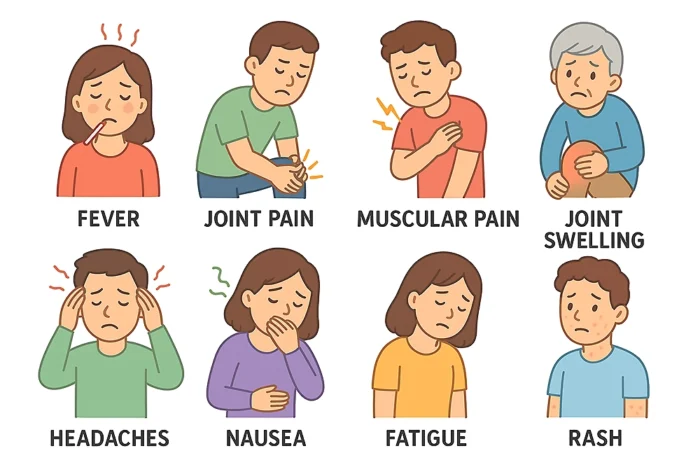
Symptoms typically appear 7 to 10 days after the infected mosquito bite and include:
-
-
Fever: Sudden high fever lasting 3–4 days, sometimes recurring. It is often the first sign of infection.
-
Joint Pain: Severe pain typically in small joints like wrists and fingers, which may last weeks or months and can be debilitating.
-
Muscular Pain: Muscle aches and stiffness causing additional discomfort alongside joint pain.
-
Joint Swelling: Inflamed, swollen joints leading to stiffness and restricted movement.
-
Headaches: Moderate to severe headaches are common during the illness.
-
Nausea: Sometimes accompanied by nausea and vomiting, contributing to weakness.
-
Fatigue: Persistent tiredness often outlasting other symptoms, lasting for weeks in some cases.
-
Rash: Maculopapular rash appears 2–5 days after fever onset, lasting about a week and sometimes itchy.
-
The joint pain is the hallmark symptom and can be debilitating, lasting from days to weeks, sometimes months. Although most patients recover within a week to 10 days, some individuals experience prolonged joint pain (chronic arthralgia) that resembles rheumatoid arthritis.
Additional notes:
-
-
Symptoms resemble those of dengue and Zika, which can complicate diagnosis.
-
Severe complications are rare but possible in neonates, older adults, and those with preexisting health conditions.
-
Diagnosis and Medical Treatment for Chikungunya
Diagnosis is mainly through laboratory blood tests detecting viral RNA or antibodies specific to chikungunya. Because symptoms can overlap with other arboviruses, accurate lab confirmation is essential for appropriate management.
Treatment considerations:
-
-
No specific antiviral therapy exists for chikungunya in 2025.
-
Management is supportive and symptom-focused.
-
Patients are advised to rest and stay well hydrated.
-
Over-the-counter pain relievers like acetaminophen/paracetamol reduce fever and ease joint pain.
-
Nonsteroidal anti-inflammatory drugs (NSAIDs) such as ibuprofen or aspirin should be avoided until dengue fever is ruled out, due to bleeding risk.
-
Physiotherapy may be helpful in cases with prolonged joint pain to improve mobility and relieve stiffness.
-
Most people recover fully within 7 to 10 days, although joint symptoms may persist in some cases for months or even years.
Effective Prevention Tips to Avoid Chikungunya
Preventing chikungunya revolves around avoiding mosquito bites and controlling mosquito populations since the virus is spread primarily by infected Aedes mosquitoes.
Key prevention strategies include:
-
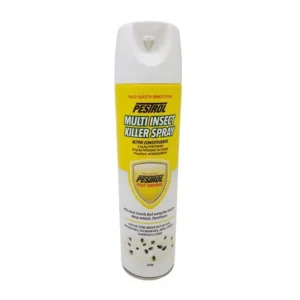
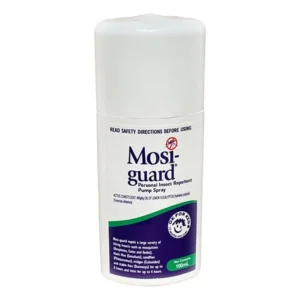
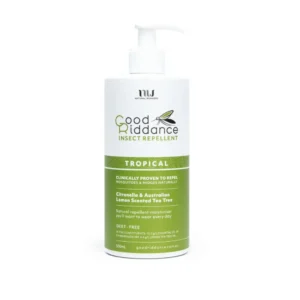
- Use Mosquito Repellent: Apply EPA-registered repellents containing DEET, picaridin, IR3535, or oil of lemon eucalyptus on exposed skin following product instructions for long-lasting protection.
- Wear Protective Clothing: Opt for long-sleeved shirts, long pants, and closed shoes, especially during daytime when Aedes mosquitoes bite most.
- Treat Clothing and Gear: Use permethrin-treated clothing and gear to repel and kill mosquitoes. Permethrin can also be applied to tents, boots, and bed nets for extra protection.
- Use Screens and Nets: Ensure windows and doors have intact screens to keep mosquitoes out. Use insecticide-treated bed nets if sleeping outdoors or during daytime rest.
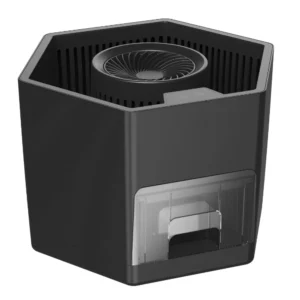
- Deploy Mosquito Traps and Zappers: Mosquito traps attract and capture mosquitoes using light, heat, or carbon dioxide, reducing local populations. Electric mosquito zappers kill mosquitoes on contact and are effective in outdoor areas. However, these should complement other control methods as they don’t eliminate all mosquitoes.
- Eliminate Mosquito Breeding Sites: Regularly empty, clean, or cover containers that hold water such as flowerpots, tires, buckets, and gutters to reduce mosquito breeding. Applying larvicides and IGRs (Insect Growth Regulators) to standing water and potential breeding sites reduces mosquito reproduction sustainably.
- Choose Air-Conditioned or Screened Accommodations: When traveling or in areas with chikungunya transmission, stay in places with air conditioning or well-sealed windows and doors.
- Community and Environmental Control: Participate in neighborhood clean-up programs and support local mosquito surveillance and control efforts involving larviciding and targeted spraying.
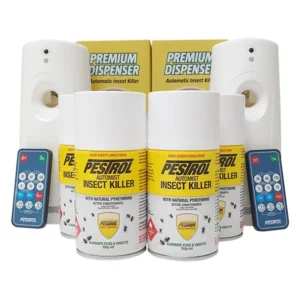
- Insecticides: Use adulticides in sprays or foggers to rapidly reduce adult mosquito populations, particularly during outbreaks. Indoor residual spraying on mosquito resting surfaces can keep adult mosquito numbers low for months. Use insecticides responsibly under guidance to prevent resistance development.
- Prevent Mosquito Bites if Infected: If you contract chikungunya, avoid mosquito bites during the first week of illness to reduce the risk of spreading the virus to others.
While chikungunya vaccines have been approved in some countries, they are not yet widely available or in routine use. Therefore, mosquito bite prevention remains the most effective control measure.

Sleep Easy Indoor Mosquito Trap
183 reviews Original price was: $114.90.$99.90Current price is: $99.90.
Pestrol Outdoor Exterminator Mosquito Trap
216 reviews Original price was: $139.90.$129.90Current price is: $129.90.
Eradicator Outdoor Mosquito Trap
16 reviews Original price was: $199.90.$189.90Current price is: $189.90.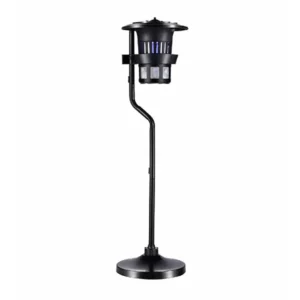

Recovery, Long-Term Effects, and Home Care Advice
Most chikungunya patients recover completely with proper care at home.
Home care tips:
-
-
Rest adequately during the acute phase of illness.
-
Stay well hydrated by drinking plenty of fluids.
-
Use paracetamol to control fever and reduce pain.
-
Avoid NSAIDs until severe dengue is ruled out.
-
Gradual physical activity and physiotherapy can help alleviate prolonged joint stiffness or pain.
-
Long-term outlook:
-
-
While most symptoms resolve within days to weeks, joint pain or arthritis-like symptoms can last months to years in some cases.
-
Severe complications and deaths are rare but more likely in infants, older adults, and people with chronic health conditions.
-
Infection typically confers immunity, reducing the risk of reinfection.
-
Supportive care and monitoring can help reduce the impact of prolonged symptoms and improve quality of life.
Chikungunya Information Posters
Vigilance and proactive prevention remain our best tools against chikungunya’s spread. Stay safe, stay aware, and take action today to keep chikungunya at bay.
Read more from Pestrol:
- Eastern Equine Encephalitis (EEE) – Guide for Australians on Mosquito-Borne Risks
- What is Murray Valley Encephalitis (MVE) and How is it Transmitted?
- What is Japanese Encephalitis?
- What to Expect This Summer – Weather Predictions and Mosquito Impact 2025
- The Buzz on Climate Change – How Global Warming is affecting Mosquito Populations
- Mosquito bites, treatment, prevention and the latest news.
 Mosquito Traps