





Cucurbits: Types of Cucurbit Vegetables & Growing Tips


Cucurbits: Types of Cucurbit Vegetables & Growing Tips
Cucurbits are a vibrant and versatile family of vegetables that bring life and flavour to any garden or kitchen. From the crisp refreshing cucumber to the hearty pumpkin and sweet melons, these fascinating plants from the cucurbitaceae family offer something for every gardener and food lover.
What Are Cucurbits? An Introduction to the Gourd Family
Cucurbits are a fascinating and diverse group of vegetables belonging to the cucurbitaceae family, commonly called the gourd family. Cucurbits include well-known varieties like cucumbers, pumpkins, squash, melons, and gourds. This plant family is incredibly productive in home vegetable gardens and commercial farms alike, valued for its range of edible fruits and vigorous growth.
Cucurbit vegetables are often recognized for their sprawling vines, large leaves, and yellow or orange flowers. The cucurbitaceae family encompasses both annual and perennial plants, including:
-
Cucumbers (Cucumis sativus)
-
Pumpkins & Squash (Cucurbita pepo, C. maxima, C. moschata)
-
Melons (Cucumis melo for rockmelon/cantaloupe, Citrullus lanatus for watermelon)
-
Gourds (Lagenaria siceraria, Benincasa hispida)
Their origins trace back to tropical regions, but today cucurbit plants flourish in temperate climates and are central to organic gardening. When thinking about the ultimate garden gourd family, cucurbits stand out for their exciting array of shapes, sizes, and uses—ranging from sweet melons to savory squash and decorative gourds.
Popular Types of Cucurbits and How to Identify Them
The cucurbit family includes a wide range of edible gourds and vines commonly grown in home gardens worldwide. Below are the five most popular and recognizable curcurbits, each with unique characteristics and growing needs.
How to Spot Cucurbit Plants in Your Garden
-
Leaves: Often large and heart-shaped or lobed
-
Vines: Trailing or climbing, sometimes with curling tendrils
-
Flowers: Yellow or orange, single-sex (male and female blossoms on the same plant)
-
Fruit: Diverse in color—green, orange, yellow—and texture, from smooth to ribbed or netted

5 Common Cucurbit Gourds and Vegetables
Cucumbers (Cucumis sativus)
Cucumbers are one of the most widely grown curcurbits and are known for their refreshing, crisp texture. They come in various types including slicing cucumbers, pickling cucumbers, and burpless varieties. Cucumbers thrive in warm, sunny conditions and grow best on trellises for vertical support.
-
-
Long, green cylindrical fruits with thin or slightly bumpy skin.
-
Popular for salads, pickles, and sandwiches
-
Grown as vining or bush types
-

Pumpkins (Cucurbita pepo, C. maxima, C. moschata)
Pumpkins are an autumn favorite and belong to several species within the Cucurbita genus. They range from small decorative varieties to large edible types perfect for soups and pies. Pumpkins prefer rich, well-drained soil and full sun.
-
-
Round or ribbed fruits with thick orange or yellow skin and firm flesh.
-
Used in soups, pies, and roasted dishes.
-
Vines with deeply lobed leaves and large yellow flowers.
-

Squash (Cucurbita maxima and C. moschata)
Squash includes both summer and winter varieties. Summer squash, like pattypan and crookneck, are harvested young, while winter squash such as butternut and acorn are matured on the vine for storage.
-
- Varieties include zucchini (courgette), pattypan, butternut, and acorn squash
- Varied shapes and colors—from pale green disks to orange, hard-skinned gourds.
- Zucchini: slender, dark green; Butternut: bell-shaped, tan skin
- Summer squash have soft skins, while winter squash have hard rinds.

Melons (Cucumis melo and Citrullus lanatus)
Melons include both cantaloupes and watermelons, prized for their sweet, juicy flesh. These warm-season crops need plenty of sunlight and consistent watering to produce high-quality fruits.
-
-
Watermelon: smooth green striped skin, red or yellow flesh
-
Rockmelon/Cantaloupe: netted rind, orange flesh
-
Honeydew: smooth pale green or yellow skin
-

Gourds
Gourds are ornamental or utility-producing members of the Cucurbitaceae family, closely related to pumpkins, melons, and squash. While most gourds are inedible, they serve many decorative, craft, and cultural purposes. Here are five well-known types of cucurbit gourds and how to recognize them.
-
- Grow as vigorous climbing vines with large, lobed leaves and tendrils.
- Flowers are typically white or yellow
- Typically inedible; vary in shape from round to bottle-shaped
- Used for craft, decoration, or utensils (e.g., bottle gourd)

Health Benefits of Eating Cucurbits
It’s easy to see why so many gardeners ask about the benefits of cucurbits—these vegetables are packed with nutrients and versatile in the kitchen. Understanding the nutritional value of curcurbit vegetables can help you make healthier food choices year-round.
Key Nutritional Benefits
-
-
Low Calorie, Hydrating: Cucumbers and melons have high water content and are naturally low in calories.
-
Rich in Vitamins: Squash and pumpkins offer Vitamin A (beta-carotene), Vitamin C, and some B vitamins.
-
Dietary Fiber: Winter squash and pumpkin are excellent sources of dietary fiber, aiding in digestion.
-
Minerals: Cucurbit vegetables provide potassium, magnesium, and manganese, supporting heart and bone health.
-
Antioxidants: Many cucurbits—especially orange-fleshed varieties—contain phytonutrients that help fight cell damage.
-
Potential Health Effects
-
-
Supports Eye Health: High Vitamin A content in pumpkin and squash.
-
Boosts Immunity: Vitamin C and antioxidants help strengthen immune defenses.
-
Hydration and Weight Management: Cucumbers and melons are naturally hydrating and filling.
-
Improved Digestion: Fiber-rich gourds support gut health.
-
Adding a diverse range of cucurbit plants to your diet is an excellent strategy for holistic nutrition. Their subtle sweetness, hearty flesh, and hydrating crunch fit easily into salads, soups, roasted dishes, and even smoothies.
Tips for Growing Cucurbits Successfully in Your Garden
Growing cucurbits—from seedling stage right through to harvest. Whether you’re interested in how to grow cucumbers and pumpkins or maximizing your squash and melon varieties, these tips set you on the path to success.
Choose Your Cucurbit Varieties Carefully
Start by selecting types suited to your climate and garden size:
-
Bush types save space for small gardens
-
Vining types need room to sprawl or climb trellises
-
Be sure to choose disease-resistant cultivars—especially for common issues like powdery mildew and mosaic viruses


Planting and Growing Conditions
-
-
Choose the Right Location
-
Select a sunny position that receives at least 6–8 hours of direct sunlight daily.
-
Cucurbits thrive in warm, sheltered spots protected from strong winds.
-
-
Prepare the Soil
-
Work in plenty of organic matter such as compost or well-rotted manure.
-
Aim for a well-draining soil with a pH between 6.0 and 6.8.
-
Avoid waterlogged areas, as cucurbits are prone to root rot.
-
-
Timing of Planting
-
Sow seeds or seedlings after the last frost when the soil temperature reaches at least 18 °C.
-
In cooler regions, start seeds indoors 3–4 weeks before the final frost date and harden off before transplanting.
-
-
Sowing Seeds
-
Plant seeds about 2–3 cm deep in small hills or mounds spaced 90–120 cm apart (depending on the variety).
-
This improves drainage and air circulation around the roots.
-
-
Watering
-
Keep the soil consistently moist but not soggy.
-
Water deeply at the base of the plant early in the day to reduce humidity and prevent fungal diseases
-
Avoid overhead watering where possible.
-
-
Mulching
-
Apply organic mulch (such as straw or composted leaves) around plants to conserve moisture, suppress weeds, and keep fruits clean as they develop.
-
-
Fertilising
-
Use a balanced fertiliser or compost tea every few weeks once vines begin to spread.
-
Avoid excessive nitrogen, which encourages leafy growth at the expense of fruit development.
-
-
Pollination
-
Encourage pollinators like bees by planting flowering herbs nearby.
-
If fruit set is low, hand-pollinate by transferring pollen from male to female flowers using a small brush.
-
-
Trellising and Space Management
-
Train climbing varieties onto trellises or supports to save ground space and improve fruit quality.
-
Bush varieties should be given enough room for vine spread.
-
-
Growing Tips
-
-
Cucumbers: Plant cucumbers in well-drained soil with full sun and support vines with trellises to improve air circulation and yield.
-
Pumpkins: Grow pumpkins in fertile, well-drained soil with plenty of space for sprawling vines and consistent moisture for best fruit development.
-
Squash: Plant squash in warm soil, providing ample sunlight and regular watering while avoiding overhead irrigation to reduce disease risk.
-
Melons: Provide melons with rich soil, full sun, and consistent watering, especially during fruit development, to enhance sweetness.
-
Gourds: Train gourds on sturdy trellises for good air flow, and feed regularly with balanced fertilizer to support vigorous vine growth and healthy fruit.
-
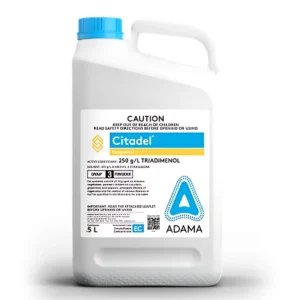
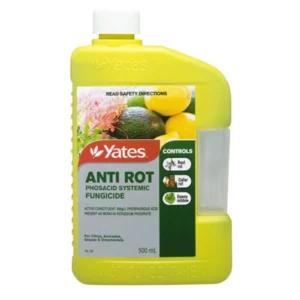
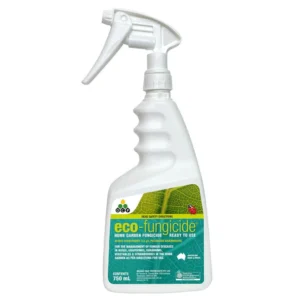
Dealing With Curcurbit Diseases and Pests
Common cucurbit pests and diseases can reduce yields if not managed proactively:
-
-
Powdery Mildew: White coating on leaves; remove affected foliage and improve airflow
-
Downy Mildew: Yellow spots, fuzzy growth; avoid overhead irrigation
-
Cucumber Beetles & Squash Bugs: These insects vector disease and cause damage. Use row covers and remove eggs from leaves
-
Mosaic Viruses: Stunted growth, mottled leaves; use resistant varieties and rotate crops
-
Practice organic curcurbit gardening by rotating crops yearly, using garden hygiene (removing old vines and debris), and encouraging beneficial insects like ladybirds.


Harvesting and Storage
Harvest fruits when they reach their optimal size and colour. Frequent picking encourages continuous fruit production for species such as cucumbers and zucchinis. Remove spent plants after harvest to prevent disease build-up. Compost healthy plant material and rotate crops annually to maintain soil health.
-
-
Cucumbers: Harvest cucumbers when firm and green, store unwashed in the refrigerator for up to one week.
-
Pumpkins: Harvest pumpkins when the rind is hard and stems dry, store in a cool, dry place for several months.
-
Squash: Pick summer squash young and tender, refrigerate for up to a week; harvest winter squash when rind hardens, store in a cool, dry location.
-
Melons: Harvest melons when they emit a sweet aroma and stems start to crack, keep at room temperature until ripe, then refrigerate.
-
Gourds: Harvest gourds when fully mature and hard-skinned, cure in a dry, ventilated area for several weeks before long-term storage.
-
The garden gourd family supplies a colorful bounty for hungry kitchens and lively garden beds. Not only do cucurbit vegetables bring diverse flavors and essential nutrients to your table—they champion vigorous growth and adaptability.
Read more from Pestrol:
- Allium Vegetables: Health Benefits, Varieties, and Growing Tips for Your Garden
- Top 10 Common Garden Pests In Australia: Aphids, Snails & More
- Liquid Fertiliser Guide: Benefits, Types & Application Tips for Healthier Plants
- Potassium Fertiliser: What You Need To Know For Better Plant Growth
- Nitrogen Fertiliser: Benefits, Uses & Best Practices for Healthy Plant Growth
- Phosphorus in Fertilisers: Importance, Benefits and Best Practices for Garden Health
 Mosquito Traps