





Black Mould: Causes, Dangers, and How to Remove It


Black Mould: Causes, Dangers, and How to Remove It
Black mould is a type of fungus commonly found indoors in dark, damp, and poorly ventilated areas. It thrives by growing on organic materials such as wood, drywall, and fabric, especially in places with moisture issues. Understanding black mould and how to remove black mould effectively is crucial because it can cause structural damage and affect indoor air quality, presenting health risks. This blog will guide you through everything you need to know about black mould, from identification to prevention and safe removal methods.
What is Black Mould? Understanding This Common Household Fungus
Black mould, scientifically known as Stachybotrys chartarum, is a species of microfungus belonging to the family Stachybotryaceae. It is characterized by its dark green to black color and a slimy or wet-looking texture caused by the sticky masses of spores it produces. Unlike many other moulds, black mould thrives in environments with high moisture and grows predominantly on materials rich in cellulose, such as fiberboard, gypsum board, wood, paper, and wallpaper that have sustained water damage. This mould is often found in areas within buildings where prolonged dampness occurs, such as ceilings, walls, and basements.
One of the unique biological features of black mould is its production of spores in slimy masses rather than dry powdery forms, making it cling strongly to surfaces. This property, combined with its preference for moist and cellulose-rich materials, explains why black mould is frequent in homes with leakages or poor ventilation.

How to Identify Black Mould in Your Home: Signs and Symptoms
Spotting black mould early can prevent the need for extensive black mould removal later. Look for visible black or greenish-black patches that appear slimy or fuzzy, especially on walls, ceilings, or around windows in damp areas like bathrooms and basements. A strong musty, earthy smell often signals its presence even before you see it, particularly in enclosed spaces with poor airflow.
Beyond appearance, check for indirect clues like water stains, peeling paint, bubbling wallpaper, or discolored grout, which indicate the moisture black mould thrives on. These signs frequently appear after leaks or high humidity, making regular inspections essential in moisture-prone spots. Black mould symptoms in your home environment can worsen over time if ignored, leading to questions like is black mould dangerous for your living space.

Black Mould Identification Checklist
Use this simple checklist for quick detection of black mould in your home:
-
- Color and Texture: Dark black, greenish-black, or brown patches; slimy when wet, fuzzy or rough when dry.
- Odour: Persistent musty, earthy, or damp smell like rotting wood or wet paper, strongest in humid conditions.
- Location: Ceilings with leaks, walls behind furniture, basements, or areas with past water damage.
- Surface Changes: Bubbling paint, warped drywall, yellow/brown stains, or green residue when wiped.
- Health Clues: New respiratory issues, allergies, or irritation that improves away from home (early black mould symptoms).
If the checklist points to potential growth, test with a moisture meter (over 50% humidity is a red flag) or DIY swab kits before attempting how to remove black mould yourself.
Common Causes of Black Mould Growth in Homes and Buildings
Black mould thrives in environments with excess moisture, making homes vulnerable in specific conditions. Addressing these root causes is essential before attempting black mould removal to prevent regrowth. Below is a breakdown of the most frequent triggers.
Leaking Pipes and Plumbing Issues
- Faulty plumbing, such as dripping pipes or blocked gutters, creates constant dampness that fuels black mould growth on walls and ceilings. Water infiltration from these sources sustains the high humidity levels black mould needs, often hidden behind fixtures until damage spreads.
Roof and Wall Leaks
- Penetrating damp from roof leaks, cracked walls, or wind-driven rain allows moisture to seep indoors, promoting black mould on ceilings and upper walls. These structural issues are common after storms and require prompt repairs for effective prevention.
Condensation Build-Up
- High indoor humidity from cooking, showering, or drying clothes indoors leads to condensation on cold surfaces like windows and walls, ideal for black mould. Poor insulation exacerbates this in older homes, turning everyday activities into mould triggers.
Poor Ventilation in High-Humidity Areas
- Bathrooms, kitchens, and laundries with inadequate airflow trap steam and moisture, encouraging black mould on tiles, grout, and cabinets. Without exhaust fans or open windows, these spaces become prime spots for rapid growth.
High Humidity and Water Damage
- Basements, flood aftermath, or prolonged high humidity (over 50%) on cellulose materials like drywall and wood invites black mould proliferation. Post-flood scenarios demand immediate drying to halt how to prevent black mould efforts from failing.
Health Risks and Dangers of Black Mould Exposure
Is black mould dangerous? Black mould can be dangerous due to its potential to provoke serious health issues if left untreated. It’s health risks stem from the toxins and allergens it releases into the air, which can be harmful, especially to sensitive groups such as children, the elderly, and those with pre-existing respiratory conditions. Common dangers of black mould exposure include allergic reactions, asthma attacks, eye irritation, and chronic respiratory problems.
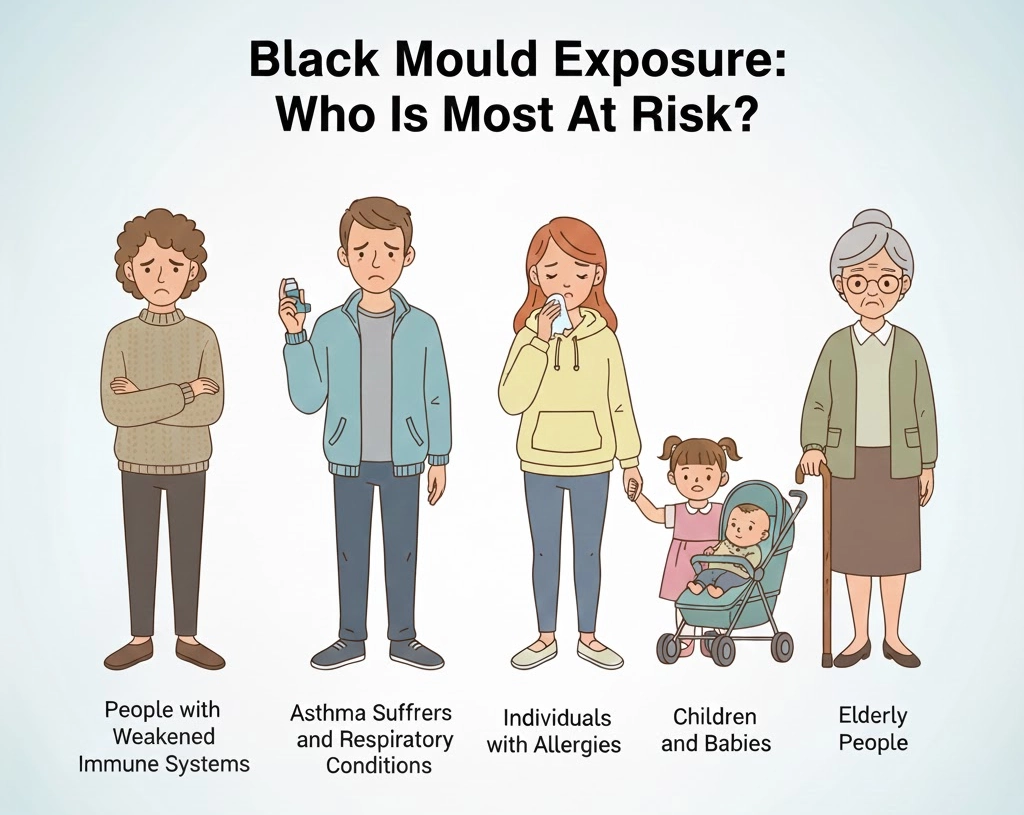

Who Is Most At Risk?
- People with Weakened Immune Systems: Those with immunodeficiency disorders, undergoing chemotherapy, organ transplants, or on corticosteroids face higher risks of fungal infections (mycosis) from black mould spores.
- Asthma Sufferers and Respiratory Conditions: Black mould triggers attacks, wheezing, and worsened symptoms in those with severe asthma, COPD, or lung diseases.
- Individuals with Allergies: Allergic reactions like sneezing, congestion, and skin irritation are amplified, making black mould health risks more pronounced.
- Children and Babies: Developing lungs and immune systems make them prone to respiratory issues and infections from prolonged exposure.
- Elderly People: Age-related vulnerabilities increase susceptibility to chronic cough, fatigue, and complications from black mould dangers.
Black Mould Exposure Symptoms
- Respiratory Symptoms: Coughing, wheezing, shortness of breath, nasal congestion, runny or stuffy nose, and postnasal drip from spore irritation.
- Allergic Reactions: Sneezing, itchy/watery eyes, itchy nose/throat, and skin rashes or hives triggered by immune response.
- Eye and Skin Irritation: Red, itchy eyes and dry/itchy skin, often worsening in mouldy environments.
- Throat and Sinus Issues: Sore throat, sinusitis, and chronic cough persisting indoors.
- Asthma Exacerbations: Worsened attacks with chest tightness in sensitive individuals.
- Neurological Effects: Headaches, brain fog, memory issues, and mood changes from prolonged exposure.
- Systemic Symptoms: Fatigue, body aches, nausea, and rare fever or night sweats in severe cases
Long Term Effects if Black Mould is Left Untreated
If left untreated, black mould poses escalating dangers through prolonged spore and mycotoxin exposure, leading to chronic health issues beyond initial allergies. Healthy adults rarely face life-threatening outcomes, but vulnerable groups risk severe complications; structural damage also worsens, amplifying black mould health risks.
- Chronic Respiratory Problems: Persistent coughing, wheezing, bronchitis, or worsened asthma/COPD, potentially causing permanent lung damage in sensitive individuals.
- Weakened Immune System: Increased susceptibility to infections (e.g., mycosis or aspergillosis) and slower recovery from illnesses.
- Neurological Impacts: Brain fog, memory loss, headaches, anxiety, depression, and cognitive impairment from mycotoxin buildup.
- Systemic Toxicity (Mycotoxicosis): Fatigue, muscle pain, weight changes, hair loss, insomnia, and hormone disruptions; rare liver/nervous system damage.
- Hypersensitivity Pneumonitis: Ongoing lung inflammation with shortness of breath, fatigue, and weight loss in prolonged cases.
How to Prevent Black Mould: Tips for a Mould-Free Home
Preventing black mould starts with tackling moisture at its source, as high humidity above 50% creates ideal conditions for growth in homes. Implementing black mould prevention strategies reduces black mould health risks and avoids costly black mould removal later. Regular maintenance keeps your living spaces safe and dry.
- Control Indoor Humidity and Ventilation
- Use dehumidifiers in basements, bathrooms, and laundry rooms to maintain humidity below 50%; empty reservoirs regularly.
- Install and run exhaust fans during showers, cooking, or drying clothes indoors, running them 20-30 minutes post-use.
- Open windows and doors daily for cross-ventilation, especially in high-moisture areas, to circulate fresh air.
- Fix Leaks and Moisture Sources Promptly
- Repair leaking pipes, roofs, taps, and gutters immediately to stop water intrusion fueling black mould growth.
- Wipe condensation from windows, walls, and mirrors daily with a microfibre cloth to eliminate standing moisture.
- Dry wet areas like spills or floods quickly using fans and ensure complete drying before sealing.
- Improve Airflow and Storage Habits
- Keep furniture 5-10cm from walls and avoid overcrowding wardrobes to allow air circulation behind items.
- Air out closets, cupboards, and mattresses weekly; store only dry clothes and shoes.
- Hang laundry outside or use a vented dryer; avoid indoor drying racks in humid conditions.
- Use Protective Measures and Maintenance
- Apply anti-mould paints or treatments on walls and ceilings in prone areas like bathrooms.
- Let sunlight in by opening curtains daily—UV light naturally inhibits mould spores.
- Clean high-risk surfaces weekly with vinegar solutions and vacuum regularly to remove dust that feeds mould


Simply Clean Microfibre Wipes 35 Wipes x 24 Rolls
1 reviews Original price was: $58.00.$29.00Current price is: $29.00.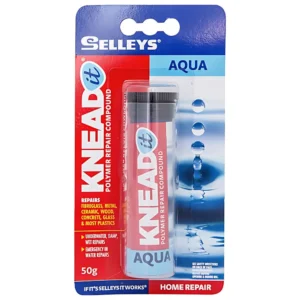
Selleys Knead It Aqua
$13.90Methods for Black Mould Removal: How to Remove Black Mould Safely
Safe black mould removal prioritizes personal protection and moisture control to avoid spreading spores or inhaling mycotoxins during cleanup. When you want to remove mould quickly and effectively, always address underlying causes first, as how to remove black mould fails without preventing regrowth. For areas under 1m², DIY works; larger infestations need professionals to minimize black mould health risks.
Essential Safety Gear and Preparation
- To shield against air borne spores, wear:
- N95 masks
- Goggles
- Gloves
- Disposable Coveralls.
- Ventilate by opening windows and using fans to direct air outward, never towards yourself.
- Test cleaning solutions on small spots first.
- Vacuum HEPA filters beforehand to avoid redistributing particles.
DIY Black Mould Cleaning Methods for Surfaces
- White Vinegar Solution: Spray undiluted vinegar on mouldy areas, wait 1 hour, scrub with a brush, wipe with damp cloth, and dry thoroughly—kills 80% of species naturally.
- Baking Soda Paste/Spray: Mix 2 tbsp baking soda in 2 cups water for spray or paste; apply, scrub porous surfaces, rinse, and air dry to absorb moisture and deodorize.
- Diluted Bleach (Non-Porous Only): 1:4 bleach-water mix for tiles/walls; scrub gently, rinse well, dry completely—avoid fabrics or drywall as it doesn’t penetrate roots.
How to Get Rid of Black Mould on Ceilings
- Use a stable ladder, extendable brush and your choice of mould remover solution.
- Spray generously with your mould remover, let sit for 15-60 minutes or follow product label instructions.G
- Gently scrub downward strokes to prevent drips, wipe residue.
- Rinse with water if required.
- Run exhaust fans 24 hours post-clean.
- For textured ceilings, professionals use foggers to reach hidden growth without damage.
How to Clean Black Mould Off Walls
- For painted walls:
- Vinegar scrub followed by baking soda paste to remove stains without stripping paint.
- Use a commercial mould remover to penetrate deeping for longer lasting results.
- On drywall, cut out and replace affected sections after drying; use microfibre cloths rinsed in three-bucket system (clean, rinse, final rinse) to prevent spread.
- Apply anti-mould paint post-cleanup.
For a more detailed walkthrough, our step by step guide on how to remove mould from walls covers natural remedies like vinegar alongside commercial products for foolproof results.
Post-Removal and Professional Black Mould Removal
- Dry areas fully with dehumidifiers and fans (48-72 hours); monitor weekly for recurrence.
- If over 1m², visible HVAC growth, or health symptoms persist, hire certified remediators for containment, HEPA vacuuming, and biocides like hydrogen peroxide.
Top Mould Removers You Should Try
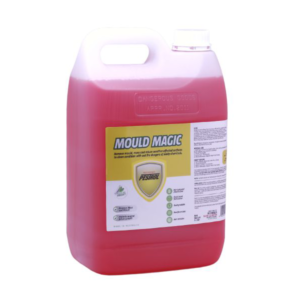
Pestrol Mould Magic – 5L Moss & Mould Remover
9 reviews Original price was: $59.90.$49.90Current price is: $49.90.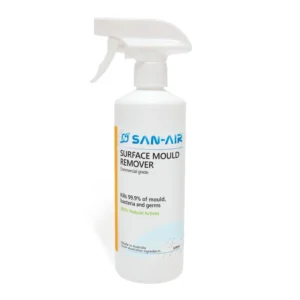
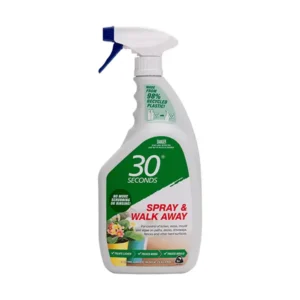
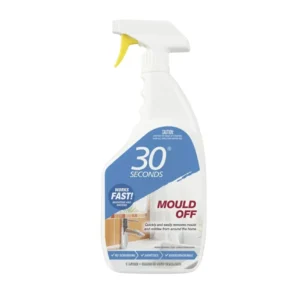
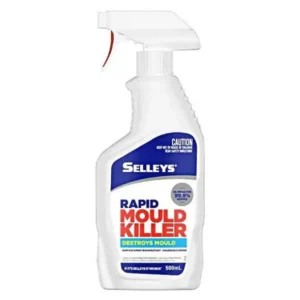
Take control of your home’s air and surfaces today by tackling black mould early, using safe removal methods, and putting prevention steps in place so your space stays clean, healthy, and mould-free.
 Mosquito Traps