




How do I repel birds?

How to Repel Birds Effectively in Australia (Complete Guide)
Birds can quickly become a serious nuisance around homes and commercial properties. From constant noise and droppings to property damage and health risks, uncontrolled bird activity is more than just an inconvenience.
This guide breaks down the most effective ways to repel birds in Australia, including bird spikes, bird wire, and electronic repellers — along with what actually works and what doesn’t.
Common Problem Birds in Australia
Not all birds behave the same, and control methods vary depending on the species.
- Pigeons: Nest in roofs, solar panels, and ledges. Persistent and hard to deter once settled.
- Mynas (Indian Myna): Highly invasive, aggressive, and territorial.
- Seagulls: Common near coastal areas, attracted to food waste.
- Sparrows: Nest in small gaps and roof cavities.
- Starlings: Form large flocks and create mess and noise.
Why Birds Become a Problem
- Droppings damage paint, roofs, and solar panels
- Nesting blocks gutters and creates fire risks
- Noise disturbance early morning and at night
- Health risks from bacteria and parasites
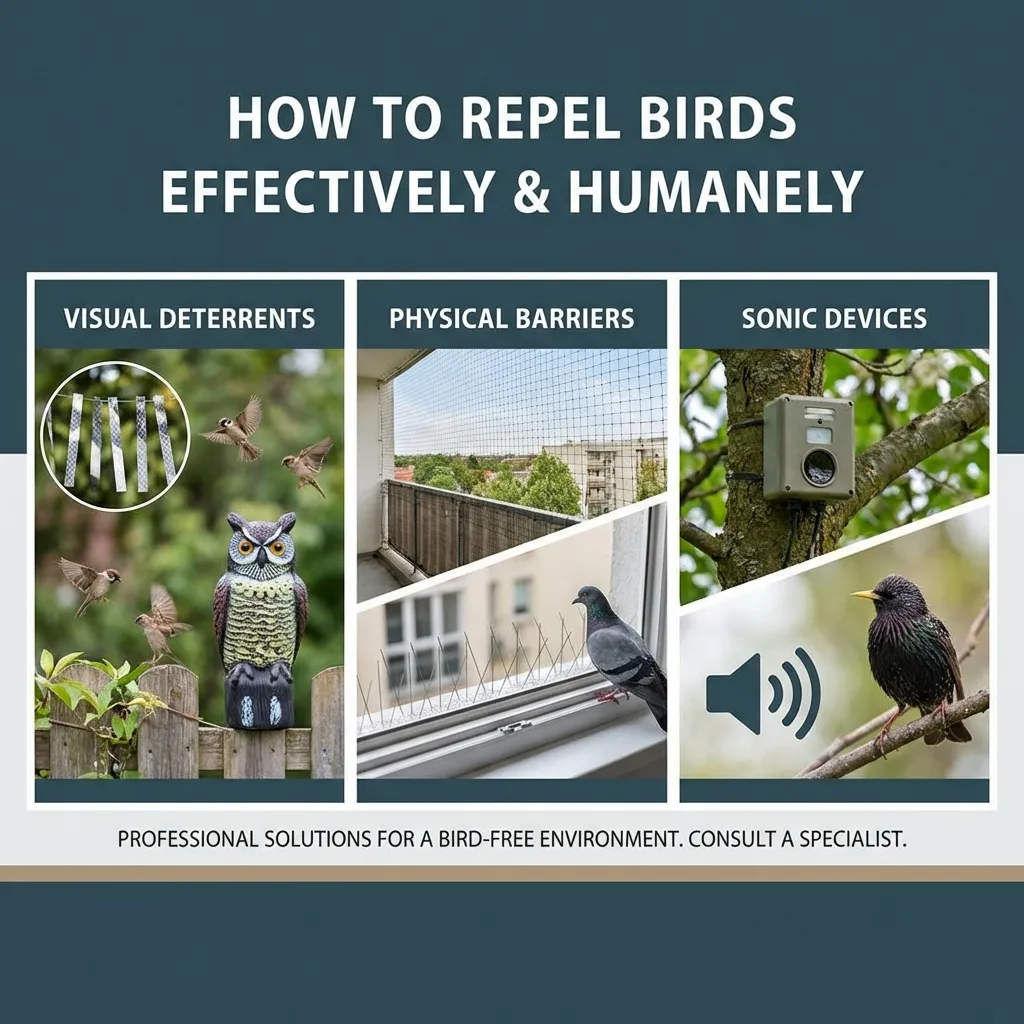
Best Bird Control Methods
Bird Spikes
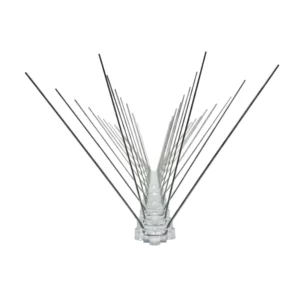
Bird spikes are one of the most reliable and long-term solutions. They prevent birds from landing on ledges, roofs, fences, and signage.
- Highly effective for pigeons and large birds
- Low maintenance once installed
- Does not harm birds — only blocks landing
Best used on: Roof edges, solar panels, beams, signage
Bird Wire Systems
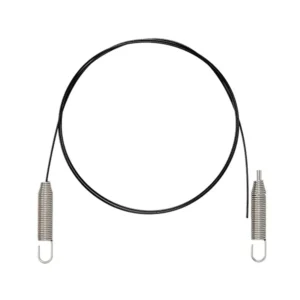
Bird wire creates a tensioned barrier that prevents birds from landing while remaining discreet.
- Less visible than spikes
- Ideal for heritage buildings or aesthetics
- Effective for ledges and narrow surfaces
Best used on: Balconies, narrow ledges, commercial buildings
Electronic Bird Repellers
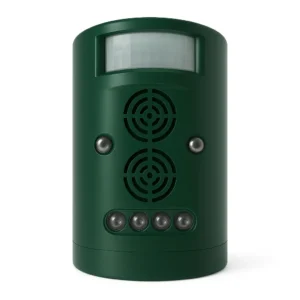
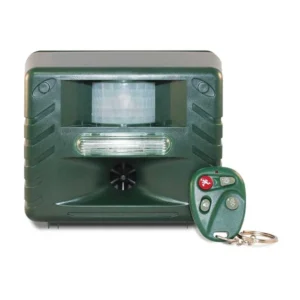
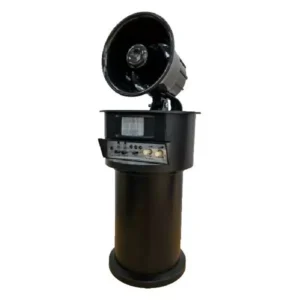
Electronic bird repellers use sound (ultrasonic or distress calls) to deter birds from an area.
- Good for larger open areas
- Non-invasive solution
- Easy to install
Best used for: Gardens, warehouses, patios
Critical limitation:
- Requires line of sight — obstacles reduce effectiveness
- Birds may adapt over time
- Coverage area is often overstated by manufacturers
What Actually Works (Strategy)
The biggest mistake people make is relying on a single method. Bird control works best when layered:
- Physical barriers (spikes/wire) for landing areas
- Repellers for broader coverage
- Removing food sources to reduce attraction
Installation Tips That Most People Get Wrong
- Leaving gaps between spikes (birds will use them)
- Installing repellers too far from the target area
- Expecting ultrasonic devices to work through walls
- Ignoring nearby food sources (bins, pet food, etc.)
Final Thoughts
There is no single “magic” solution to bird control. The most effective approach combines physical deterrents with behavioural disruption.
If done correctly, bird spikes, bird wire, and repellers can completely eliminate bird activity — but only when installed strategically and used in combination.

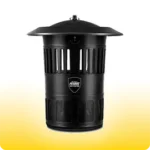 Mosquito Traps