




How Do I Get Rid of Mosquitoes? – A Simple Guide for Australian Households

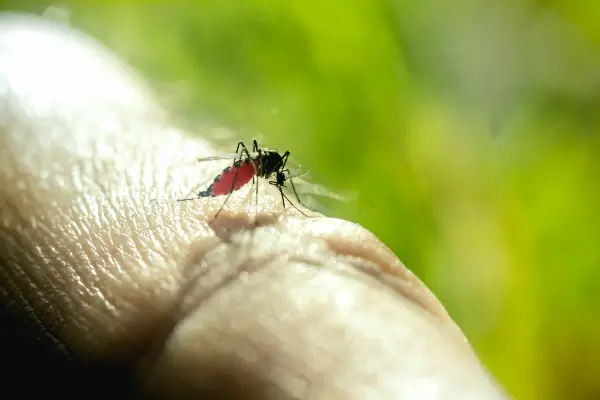
Mosquitoes are small but their impact can be enormous. They leave itchy bites, disrupt outdoor activities and sometimes spread diseases. Learning the signs of mosquito problems and using simple remedies can help you protect your family and enjoy your home and garden.
Why Mosquitoes Matter
Most mosquitoes are just a nuisance, but some species in Australia can spread viruses such as Ross River virus, Barmah Forest virus or Murray Valley encephalitis. These diseases cause symptoms like fever, joint pain and rashes. While serious illness is uncommon, nobody enjoys being bitten, and controlling mosquitoes also reduces the risk of disease.
When to See a Doctor
- Fever
- Severe joint pain
- Widespread rash
- Unusual fatigue
Spotting a Mosquito Problem
- Biting Activity
- If you and your family are regularly bitten in your backyard or inside your house, especially around dusk or dawn, there are probably mosquito breeding sites nearby.
- Some species bite during the day, so if you notice them at any time, it’s a sign they might be breeding on your property or in the neighbourhood.
- Standing Water Around the House
Mosquitoes need water to breed. Look for:
- Buckets, pot plant saucers, wheelbarrows, tarps, old tyres or toys that have collected rainwater.
- Bird baths, vases and pet water bowls that aren’t cleaned regularly.
- Gutters clogged with leaves that hold water.
- Rainwater tanks or downpipes without proper screens.
- Ponds or dams with still water and lots of leaf litter.
Even a small amount of water can produce many mosquitoes. Eggs can survive dry conditions for months and hatch when rain returns.
- Larvae in Water
Mosquito larvae, known as “wrigglers,” live in water and move in a jerky motion. If you spot tiny, wriggling bugs in water containers, mosquito eggs have hatched there.
- Increased Buzzing at Night
If you hear a high-pitched whine in your bedroom at night or see mosquitoes resting on walls, they’re finding ways to enter your home.
- Neighbour Reports or Public Warnings
Sometimes local councils issue mosquito warnings when populations spike after rain or floods. If your community is talking about increased mosquito activity, be vigilant.
| Common Breeding Site | What to Look For | Remedy |
| Pot plant saucers | Water sitting at base | Fill with sand or empty weekly |
| Buckets / toys | Pools of rainwater | Store upside down or under cover |
| Gutters & drains | Blocked with leaves | Clean regularly so water flows |
| Bird baths / pet bowls | Dirty, stagnant water | Empty, scrub and refill weekly |
| Rainwater tanks | Loose lids or damaged screens | Keep covered and screened |
| Tyres / rubbish | Water trapped inside | Dispose or store under cover |
Remedies: Getting Rid of Mosquitoes
Once you know mosquitoes are around, you can take action. The key is to break their life cycle by removing water, preventing bites and using control tools.
- Remove Breeding Sites
This is the most effective and cheapest strategy. Once a week, walk around your yard:
- Tip out water from buckets, wheelbarrows, tarps, plant saucers, toys and anything else that can hold water. Store them upside down or under cover.
- Clean bird baths and pet bowls weekly. Scrub to remove eggs.
- Clear gutters and drains so water flows freely and doesn’t pool.
- Check rainwater tanks: make sure lids are secure and screens over inlets and overflows are intact.
- Fill pot plant bases with sand so they absorb water instead of holding it.
- Cover boats, canoes and trailers so they don’t collect water.
- Get rid of rubbish, especially old tyres, tins and bottles. Mosquitoes love hidden water inside.
A community approach helps: encourage neighbours to do the same so mosquitoes don’t just fly from next door.
- Maintain the Garden
- Trim vegetation: mosquitoes like cool, moist, shady spots. Pruning trees and hedges and mowing grass reduces resting places.
- Improve water circulation in ponds. Install a fountain or waterfall. Mosquito larvae prefer still water.
- Introduce fish that eat larvae in ponds. Small fish like mosquito fish or some native species can help, but check with your local council or fishery officer before releasing any species to avoid harming local ecosystems.
- Use Personal Protection
Even with the best prevention, some mosquitoes will remain, especially if you live near wetlands or rivers. Protect yourself by:
- Wearing long sleeves and pants, particularly at dusk and dawn. Light colours are better because mosquitoes are attracted to dark colours.
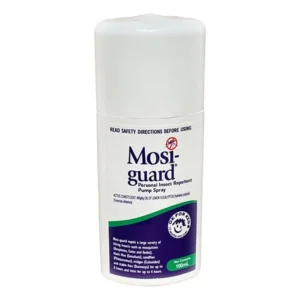
- Applying repellent when outside. Look for products containing DEET, picaridin or oil of lemon eucalyptus; they are effective and approved by regulators. Reapply as directed on the label. For infants, use nets or clothing instead of repellents.
- Screening doors and windows to keep mosquitoes out. Fix any holes or gaps.
- Using mosquito nets over beds, especially for babies.
- Running fans in outdoor areas; mosquitoes find it hard to fly in breezy conditions.
- Try Mosquito Traps
Traps can help reduce mosquito populations by luring and catching them. Two common types:
- Outdoor traps use UV light and a warm surface or CO₂ produced by a coating to attract mosquitoes. A fan pulls them into a chamber where they dehydrate. Place them in a shaded area between breeding sites and where you sit outside, at least six metres from where you gather, and run them continuously during mosquito season. Clean the trap regularly.
- Indoor traps use a small UV light and fan to attract and capture mosquitoes without chemicals. They suit bedrooms or caravans and sometimes double as nightlights. Place them away from competing light sources and empty the collection tray as needed.
Traps take time to work; they won’t give overnight results, but they’re useful when combined with other methods.
| Situation | Fast Fix | Longer-Term Fix |
| Mosquitoes buzzing indoors | Use spray or plug-in device | Repair screens, run indoor trap |
| Bites when gardening | Apply repellent, wear long sleeves | Remove standing water weekly |
| Garden parties ruined by mozzies | Burn coils or citronella candles | Place an outdoor trap in shaded area |
| Pond attracting larvae | Add small fish or water movement | Use safe larvicide if needed |
- Consider Larvicides or Biological Agents
If you have larger water bodies you can’t drain—like rainwater tanks, dams or ponds—you can use:
- Bacillus thuringiensis israelensis (Bti): a naturally occurring bacterium available as granules or briquettes. It kills mosquito larvae without harming fish or pets. Follow the product directions for placement and reapply as needed.
- Insect Growth Regulators: pellets or briquettes with chemicals like methoprene that stop larvae from developing into adults. They’re safe when used correctly but always follow label instructions.
These products target larvae and reduce adult mosquitoes emerging.
- Use Insect Sprays and Coils Sparingly
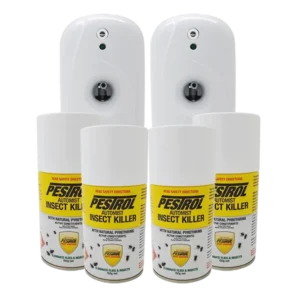
- Indoor aerosol sprays can quickly knock down adult mosquitoes. Use them in dark corners where mosquitoes rest but keep windows closed during application.
- Mosquito coils and plug-in vaporisers for outdoor areas produce repellent smoke or vapour that keeps mosquitoes away. Place them upwind of where you’re sitting.
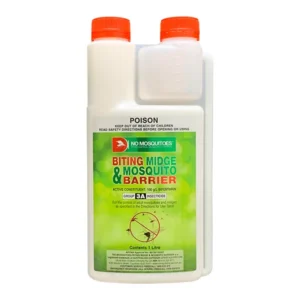
- Surface sprays for outdoor walls and under eaves can kill mosquitoes that rest there. However, sprays should not be the primary control method; they work best as a backup to water removal and personal protection.
- Natural Repellents and Plants
Some people like natural options. Essential oils such as citronella, eucalyptus, lavender or peppermint can repel mosquitoes briefly. However, they often need frequent reapplication and may not be as reliable as registered repellents. Plants like lemongrass, rosemary and marigolds are said to deter mosquitoes, but their effect is limited unless you crush their leaves to release oils. Use these as supplements, not substitutes.
Looking After Your Family and Community
It’s easier to keep mosquitoes away if everyone does their part. Here are some extra tips:
- After heavy rain or floods, act quickly. Drain puddles, empty containers and check that tarps haven’t sagged.
- Work with neighbours for property clean-up days. Mosquitoes don’t respect fences—if you remove water but your neighbour doesn’t, mosquitoes will still be around.
- Keep an eye on local health alerts. Health departments and councils sometimes issue warnings if mosquito-borne diseases increase. During these times, be extra diligent with repellents and protective clothing.
- Teach children about mosquito safety. Encourage them to wear shoes and socks when playing outside and to let an adult know if they find standing water.
When to Seek Medical Advice
Most mosquito bites result in a small, itchy lump that goes away in a few days. However, see a doctor if you or a family member experiences:
- Fever, severe headaches or body aches.
- A widespread rash or swollen joints.
- Persistent fatigue or flu-like symptoms after being bitten.
These can be signs of a mosquito-borne disease. Prompt medical advice helps rule out serious illness and provides relief.
Finally
Mosquitoes are persistent, but you can keep them under control by understanding their habits and taking simple steps. Removing standing water, tidying the yard, using repellents and screens, and employing traps or larvicides where necessary all contribute to reducing mosquito numbers and bites. A bit of effort each week will make your home more comfortable and safer throughout the year.
References
- Queensland Health. Mosquitoes and black flies – Information on bites, repellents, clothing and rainwater tank maintenance.
- Queensland Health. Remove potential breeding sites – Practical table of household breeding sites and actions.
- Western Australia Department of Health. Common mosquitoes in Western Australia – Species descriptions and disease associations.
- Queensland Health. Ross River virus – Symptoms, peak seasons and prevention strategies.
- Centres for Disease Control and Prevention (CDC). Life Cycle of Aedes Mosquitoes – Explanation of eggs, larvae, pupae and adults.
- Pestrol product pages. Mozzie Master Mosquito Trap and Sleep Easy Indoor Mosquito Trap
Pestrol Solutions
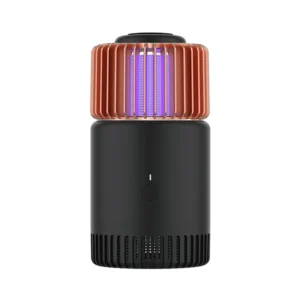
Rechargeable Mosquito Trap – Black
27 reviews Original price was: $69.90.$59.90Current price is: $59.90.
Sleep Easy Indoor Mosquito Trap
175 reviews Original price was: $114.90.$99.90Current price is: $99.90.
Pestrol Outdoor Exterminator Mosquito Trap
216 reviews Original price was: $139.90.$129.90Current price is: $129.90.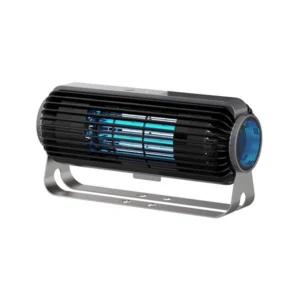



 Mosquito Traps