





How Can I Get Rid of Ticks?


What Are Ticks and Why Are They So Hard to Get Rid Of?
What Are Ticks and Why Are They So Hard to Get Rid Of? Ticks are eight‑legged arachnids (not insects) that feed on blood and include species such as the Australian paralysis tick, brown dog tick and bush ticks. Ticks are built for survival: many species have slow metabolisms and can survive long periods between meals, allowing larvae, nymphs and adults to wait months for a host. Their life cycle includes egg, larva, nymph and adult stages and can take up to three years to complete, so populations persist across seasons. Female ticks lay large clutches of eggs after one big blood meal, replenishing local populations quickly.
Ticks are tough to remove from the environment because of their behaviour and habitats: they “quest” by perching on vegetation and waving their front legs to latch onto passing hosts, so yards with leaf litter, long grass and wildlife corridors remain continual sources of ticks. Also, many ticks feed unnoticed for hours before attaching firmly, and immature stages are tiny and hard to find.
For these reasons, effective control combines good yard management, pet tick prevention and regular checks rather than relying only on killing ticks you can see.
Common Types of Ticks Found Around Homes
Common Types of Ticks Found Around Homes in Australia include the paralysis tick, brown dog tick and bush tick.
Paralysis tick (Ixodes holocyclus/I. cornuatus) is common along the eastern and coastal belt in humid, bushy areas and often found in gardens, bush edges and coastal scrub.
Brown dog tick (Rhipicephalus sanguineus) is adapted to urban settings and kennels—found on dogs, inside homes and yards across Australia, especially where dogs live closely.
Bush tick (Haemaphysalis longicornis) is typically encountered in rural and grassy or bushland areas, on livestock, horses and wildlife but can stray into peri-urban gardens.
Where Ticks Hide Around Your Home and Yard
Ticks seek shady, moist spots to wait for hosts. Check these key areas to stop them from spreading.
Lawns and Long Grass
Tall, overgrown grass along edges lets ticks “quest” for passersby.
Leaf Litter and Mulch
Decaying leaves and mulch hold moisture, drawing ticks and rodents.
Garden Edges and Fences
Shaded borders with vines or debris are hotspots.
Outdoor Pet Bedding
Pets bring ticks here from yards.
Indoor Hiding Spots
Once inside, ticks lurk in baseboards, cracks, carpets, and curtains.
How Ticks Get Into Your Home in the First Place
Pets are the #1 carrier. Dogs and cats pick up ticks outdoors on their fur, then drop them inside—often unnoticed for days.
Wildlife like possums, rodents, birds, raccoons, and squirrels carry ticks into attics, basements, or yards, where they detach and invade.
Humans bring them on clothing, shoes, or camping gear after hiking or yard work.
Even “clean” homes get ticks because brown dog ticks thrive indoors with pet access, while others hitchhike briefly before seeking hosts. Vacuum often and check pets daily.
Signs You Have a Tick Problem
- Repeated ticks on pets, even indoors, plus scratching or lethargy showing they’re under attack.
- Bites on ankles and legs from ticks questing in grass or brush.
- Ticks popping up after rain or warm weather, when moist, shady spots thrive.
- Finding ticks despite yard maintenance, as they hide in leaf litter or tall grass.
Health Risks of Ticks in Humans
Ticks pose real dangers to both you and your pets. They carry bacteria, viruses, and parasites that spread through bites, leading to serious illnesses like Lyme disease, Ehrlichiosis, Rocky Mountain Spotted Fever (RMSF), Anaplasmosis, and Babesiosis. Pet owners face higher odds of tick encounters because dogs and cats bring them indoors, raising the health risks of ticks in humans in those homes.
Tick Paralysis
Heavy tick infestations can trigger tick paralysis, a rare but scary condition. Ticks release a neurotoxin in their saliva that attacks nerves, causing weakness starting in the legs and moving up. In pets, dogs show wobbly legs, trouble standing, or full collapse. Humans, especially kids, might feel numb or paralyzed. Removing the tick often reverses it fast, but delays can lead to breathing issues or worse.
Disease Risks
Ticks transmit over a dozen diseases that hit humans and pets hard. Here’s a quick look at the big ones:
- Lyme Disease: From blacklegged ticks (Ixodes scapularis). Dogs get fever, limp, lose appetite, and face kidney failure or heart problems if ignored. Humans see a bull’s-eye rash, joint pain, fatigue, and risks like paralysis or brain swelling.
- Ehrlichiosis: Targets white blood cells via brown dog ticks. Pets have fever, weight loss, nosebleeds, and swollen nodes. People feel chills, headaches, muscle aches, and vomiting.
- Rocky Mountain Spotted Fever (RMSF): Carried by American dog ticks. Early dog signs include fever and swollen joints or scrotum; untreated, it turns chronic or fatal. Humans risk severe complications.
- Anaplasmosis: Affects blood cells. Both species show fever and lethargy; cats rarely get sick.
- Babesiosis: Destroys red blood cells, causing anemia. Dogs turn weak with pale gums and dark urine; fatal in bad cases. Humans might feel okay or face life-threatening issues if elderly or immunocompromised.
How to Get Rid of Ticks Using Targeted Treatments
Yard Treatments
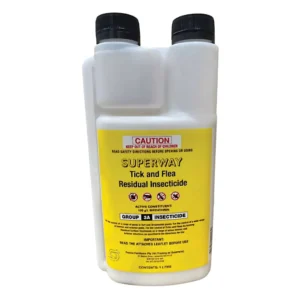
Focus on grassy areas, bushes, and shaded spots where ticks wait. Use pet-safe yard sprays with essential oils or botanicals, like those marked safe for dogs. Apply every few days until you see fewer ticks, then every 30-45 days for maintenance. Thorough coverage beats spot treatments—spray evenly for up to 1,500 sq ft per gallon.
Pet-Safe Indoor Treatments
Inside, target carpets, furniture, bedding, and crevices with dog-safe sprays or foggers. Natural options with plant oils repel and kill ticks without harsh chemicals. Mist lightly, let dry, and repeat in pet areas. Whole-home coverage helps, as one 32 oz bottle treats 400 sq ft. Always test fabrics first.
Residual Protection vs Instant Knockdown
Residual protection lingers to stop reinfestation, like insect growth regulators or oils that last weeks. Instant knockdown kills on contact but fades fast. Layer both: knockdown clears active ticks, residual prevents return.
Why Coverage Matters More Than Strength
Strong sprays in one spot miss hidden ticks. Even coverage across surfaces ensures you hit them where they live, speeding control. Skip overspraying—follow labels for pet safety.
Combine yard, home, and vet-approved pet meds like chews for full results. Consistency pays off over quick claims.
Checklist
What to check and how to identify a tick on a person or pet
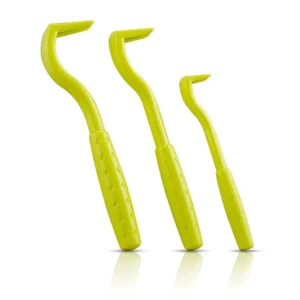
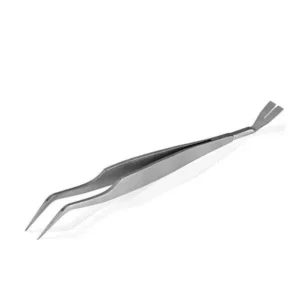
- Look for small, round, firm bumps attached to skin—ticks may be the size of a pinhead up to a grape when engorged, and often attach at warm, hidden places (behind ears, armpits, groin, scalp, between toes, neck, under collars) on people and pets.
- Part fur or hair and feel for small lumps; if unsure, examine closely with good light or a magnifier to confirm a dark, eight-legged arachnid rather than a mole or scab (pets: comb through fur and have a helper hold them still).


 Mosquito Traps