




How Do You Get Rid Of Ants?

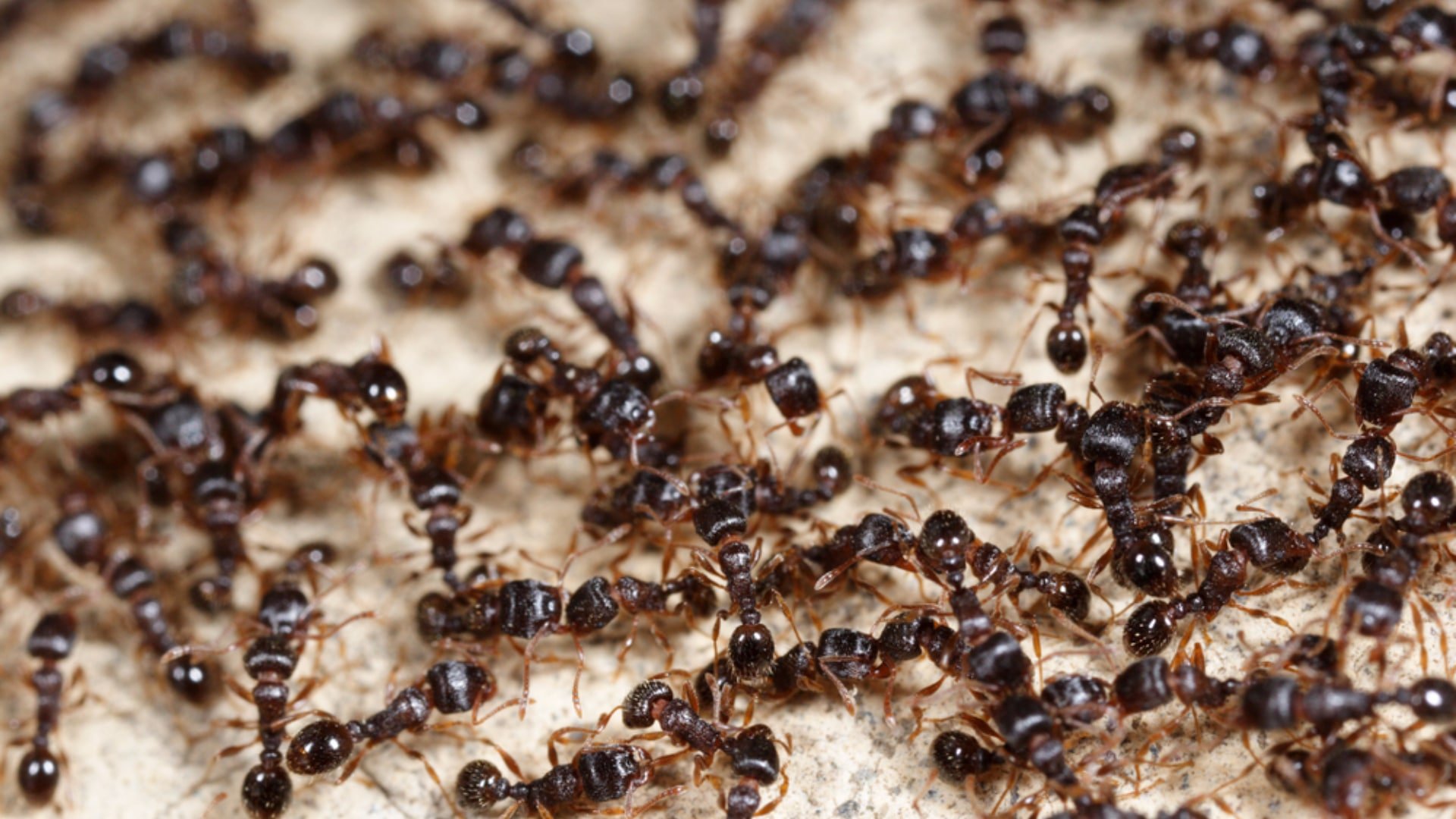
How to Get Rid of Ants in Australia: A Complete, Expert Guide
Ant infestations are one of the most persistent and misunderstood pest problems in Australian homes and gardens. While they may seem harmless at first, ants can quickly establish large colonies, contaminate food, damage property, and become extremely difficult to eliminate without the right strategy.
This guide breaks down:
- The most common ant species in Australia
- Why ants invade homes
- The real risks they pose
- Proven methods to eliminate them effectively
1. Black House Ants (Ochetellus spp.)
- Most common indoor ant
- Attracted to sugary foods
- Often nest in walls, kitchens, and roof voids
Problem: They form multiple satellite colonies, making them hard to eliminate with surface sprays.
2. Coastal Brown Ants (Pheidole megacephala)
- Small, light brown ants with aggressive colony expansion
- Often found outdoors but invade homes
Problem: Massive colonies with multiple queens—eliminating one nest does nothing.
3. Argentine Ants (Linepithema humile)
- One of the worst invasive species
- Forms supercolonies
Problem: Traditional treatments fail because colonies are interconnected.
4. Bull Ants (Myrmecia spp.)
- Large, aggressive ants with painful stings
- Usually outdoors
Problem: Safety risk rather than infestation issue.
5. Fire Ants (Solenopsis invicta – in limited regions)
- Highly aggressive and dangerous
- Government-controlled in many areas
Problem: Requires professional or regulated treatment.
Why Ants Enter Your Home
Most people treat ants without understanding the cause. That’s why infestations keep returning.
Ants invade for three reasons:
1. Food Sources
- Sugar, grease, crumbs, pet food
- Even tiny residues attract scouts
2. Water & Moisture
- Leaks, condensation, damp areas
- Critical during dry seasons
3. Shelter & Nest Expansion
- Wall cavities, pavers, garden beds
- Warm, protected environments
Key insight:
You are not dealing with “a few ants.” You are dealing with a colony that can contain thousands to millions of individuals.
The Biggest Mistake People Make
Most people use:
- Surface sprays
- DIY repellents
- Cleaning products
This does one thing:
It kills visible ants but makes the colony stronger.
Why?
Because ants:
- Detect danger
- Split into new colonies (budding)
- Relocate deeper into walls or soil
You’ve just turned one problem into five.
The Only Strategy That Actually Works
To eliminate ants, you must:
Kill the colony — not the ants you see.
That means:
- Using transfer-based treatments
- Targeting the queen
- Allowing ants to carry poison back to the nest
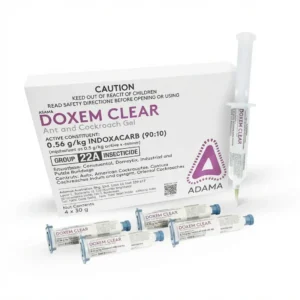
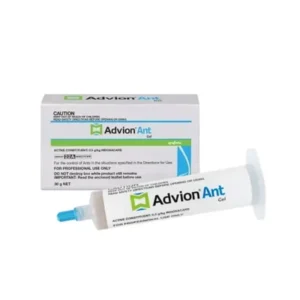
The Most Effective Solution: Ant Gels (Baiting Systems)
Why Ant Gels Work
Ant gels are scientifically designed baits that:
- Attract worker ants
- Are carried back to the colony
- Spread through trophallaxis (food sharing)
- Kill the queen and entire nest
This is the only method that collapses the colony at its source.
How to Apply Ant Gel Properly
Correct method:
- Place small drops along ant trails
- Do NOT spray or clean the area
- Allow ants to feed freely
- Reapply as needed over 1–2 weeks
What to expect:
- Activity may increase initially
- This is a good sign (more ants taking bait back)
Other Effective Ant Control Methods
1. Residual Insecticides (Barrier Control)
- Used outdoors around entry points
- Prevents new ants from entering
Use case: External perimeter defence
2. Ant Dusts
- Ideal for cracks, wall voids, nests in soil
- Long-lasting and effective in dry areas
Use case: Hidden nests and structural areas
3. Granular Baits (Outdoor)
- Spread across lawns and garden beds
- Targets large outdoor colonies
Use case: Prevent ants before they enter
How Long Does It Take to Get Rid of Ants?
- Minor infestation: 3–7 days
- Moderate: 1–2 weeks
- Severe (multi-colony): 2–4 weeks
If it’s taking longer, you are:
- Using repellent sprays
- Not targeting the colony
- Missing external nests



 Mosquito Traps