





Wild Turnip

What Is Wild Turnip?
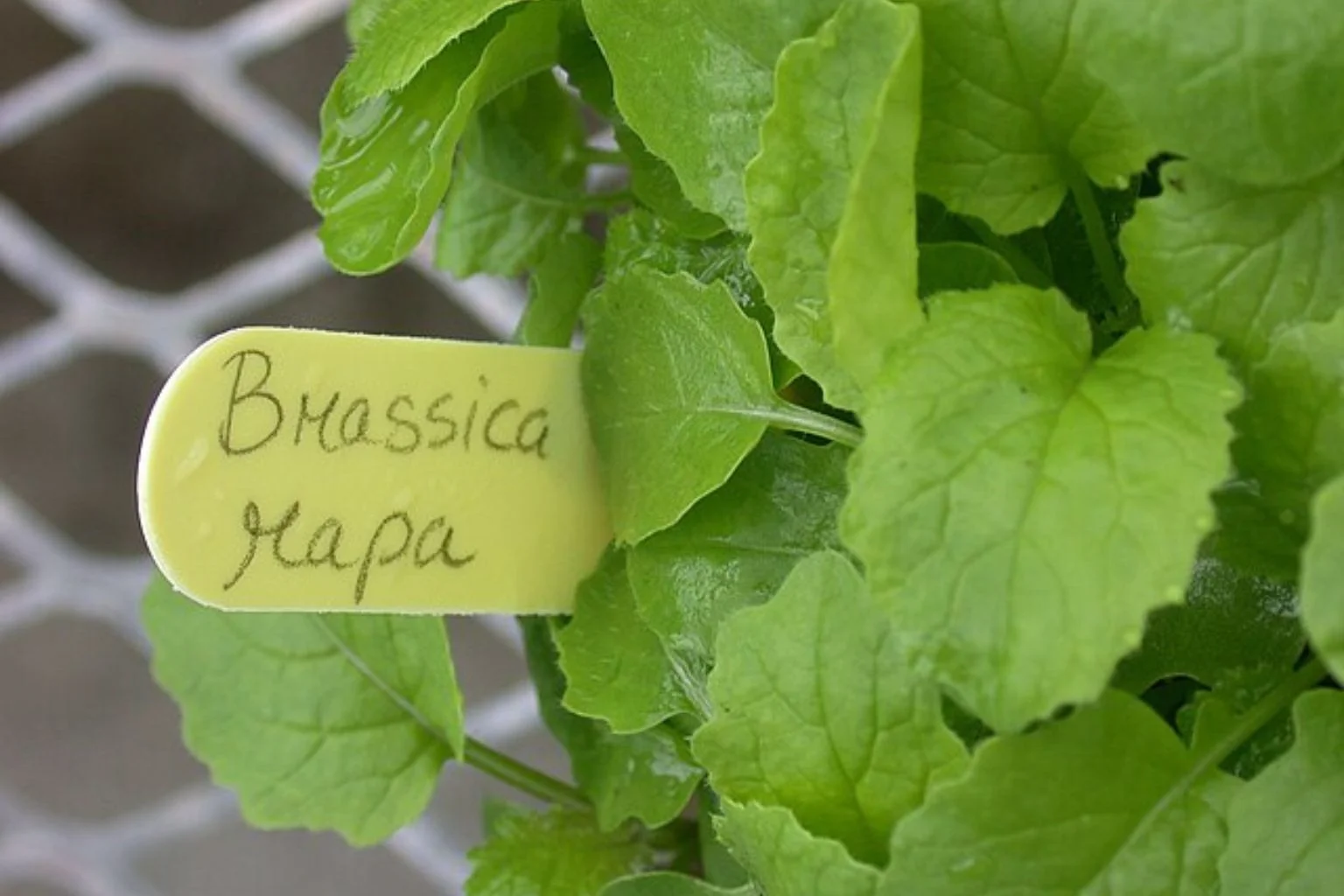
Wild turnip is a herbaceous plant belonging to the Brassica rapa species, the same family that includes common vegetables like turnips, cabbage, napa cabbage, and bok choy. It’s an annual or biennial plant that typically grows between 40 to 100 centimetres tall, though it can occasionally reach up to 1.5 metres in height. The plant originated in the Hindu Kush area of Central Asia around 4,000 to 6,000 years ago, but has since spread across Australia and become naturalised in many regions.
How to Identify Wild Turnip
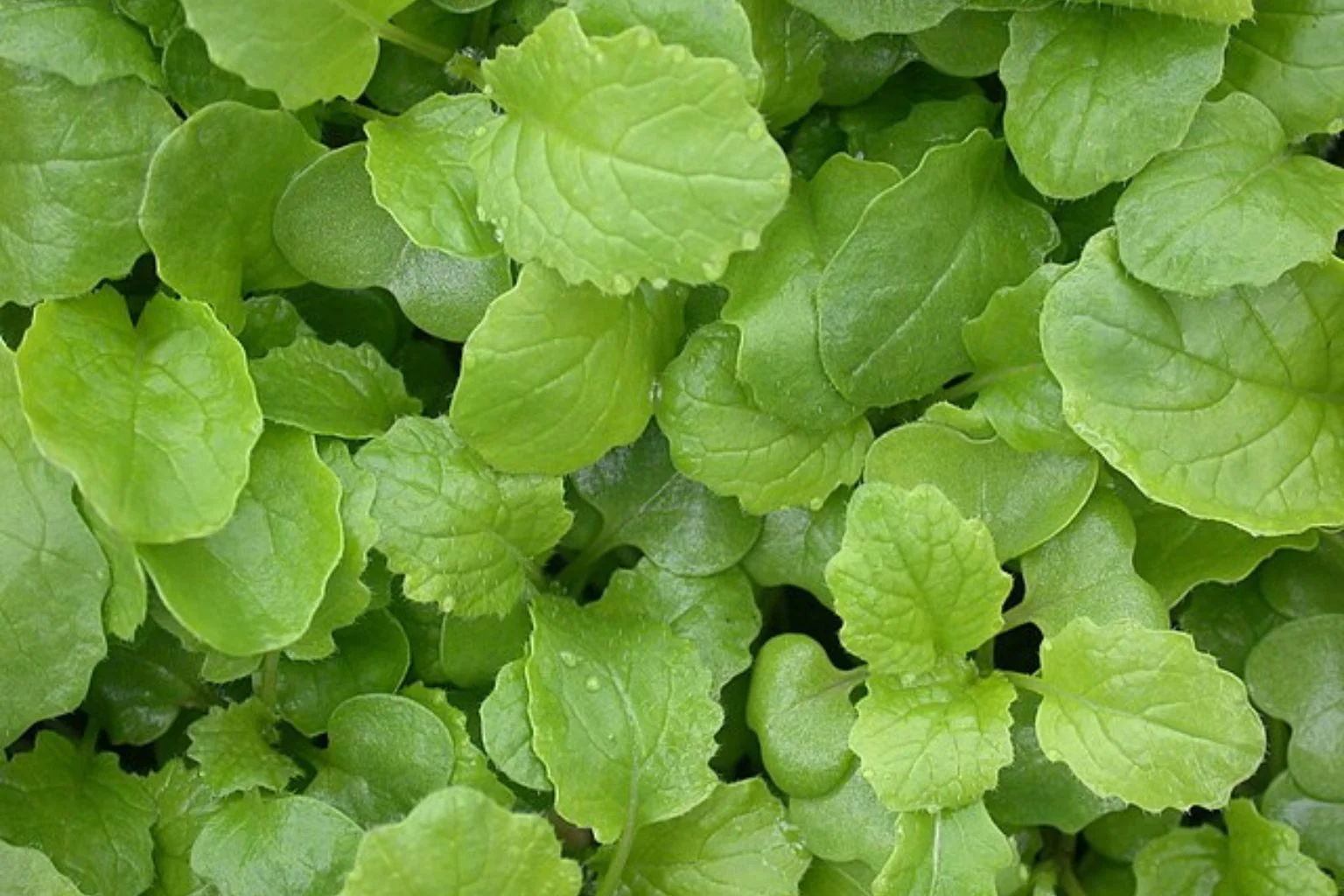
Identifying wild turnip is fairly straightforward once you know what to look for. The plant starts as a basal rosette of deeply lobed leaves during its early growth stages. These lower leaves can be quite large, ranging from 15 to 30 centimetres long, with irregular toothed edges and scattered stiff hairs that make them rough to the touch. The leaves smell distinctly like turnips when crushed. As the plant matures and develops its flowering stem, the upper leaves become much smaller and smoother.
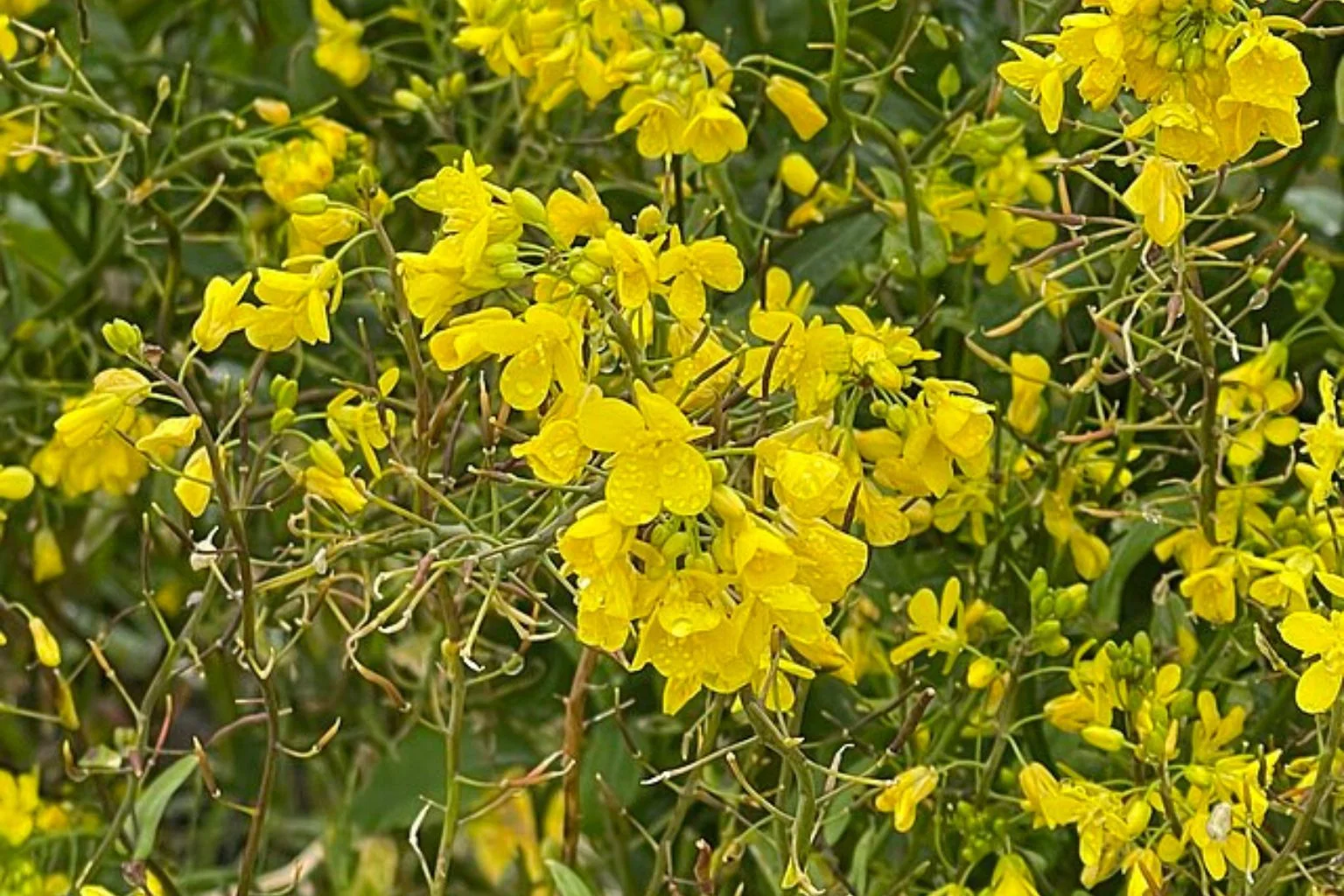
The most distinctive feature of wild turnip is its bright yellow cross-shaped flowers. Each flower has four petals arranged in a cross formation, formed by six stamens (the male parts) surrounding a single pistil (the female part). These flowers develop into long seed pods that eventually break into multiple barrel-shaped segments, each containing a single seed.
Where Wild Turnip is Found in Australia
Wild turnip is most common in the southern and eastern parts of Australia. You’ll find it particularly widespread in south-eastern Queensland, the coastal and sub-coastal areas of New South Wales, the ACT, Victoria, Tasmania, south-eastern South Australia, and south-western Western Australia. It also appears scattered throughout other parts of Queensland, New South Wales, South Australia, and Western Australia.
Why Is It A Problem?
How to Identify Wild Turnip
Leaves are the first clue. This plant develops deeply lobed leaves with irregular toothed edges that start smooth but develop dense bristles underneath as they mature. Lower leaves can grow quite large, while leaves higher up the stem become noticeably smaller.
Flowers are the most distinctive feature. Wild turnip produces typical mustard family flowers with four pale yellow petals arranged in a cross-like shape. These flowers typically measure 10-30 millimetres across and contain six stamens (four tall, two short) surrounding a single pistil in the centre. Occasionally you’ll find white or pink flowers, though yellow is most common.
Plant structure helps confirm identification. Wild turnip grows as an annual rosette herb, reaching up to 90 centimetres tall. The stem has stiff hairs, particularly towards the base, giving it a rough texture.
Fruit and seeds appear as erect pods measuring 3-7 centimetres long with a distinctive beak at the end and slight constrictions between seeds.
Effective Methods
1. Hand-Pull Small Patches Early
Spot a few plants before they flower? Grab them by hand or dig them out. Focus on getting the entire taproot, especially in moist soil where it’s easier. Bag and dispose of any seeding plants to stop spread—burn them if possible. This works great for gardens or small lawns and skips chemicals altogether. Check after rain, as seeds sprout fast.
2. Grow Competitive Crops or Pastures
Plant dense, vigorous crops like wheat to shade out wild turnip. Time your sowing right, and you can slash seed production by up to 96% without sprays. In pastures, boost competition with good grazing management or green manure crops. Rotate varieties and delay planting to disrupt its cycle. This non-chemical approach shines in broadacre farming.
3. Hit It with Pre-Emergent and Knockdown Herbicides
Prep your ground before sowing: irrigate to flush weeds, then spray knockdowns like Gramoxone or a double-knock strategy. Follow with pre-emergents such as Simazine (rates vary by soil—10-48 kg/ha on bare moist ground, lower for winter rainfall areas). For lawns, try Contra M Duo on most grass types. In brassicas, watch for resistance since wild turnip is related.
4. Chemical Spot Sprays and In-Crop Options
For bigger areas, use selective herbicides like Brodal (10 mL in 10 L water for a 10m buffer around isolated plants) or group A options for grasses mixed with broadleaf controls.
Chemical Control Options
Looking for better ways to deal with wild turnip and other common weeds? Explore our Selective Herbicide range—made to target weeds while keeping your lawn safe and healthy.

 Mosquito Traps