


Where to Place Cockroach Gel Bait: A Room-by-Room Guide

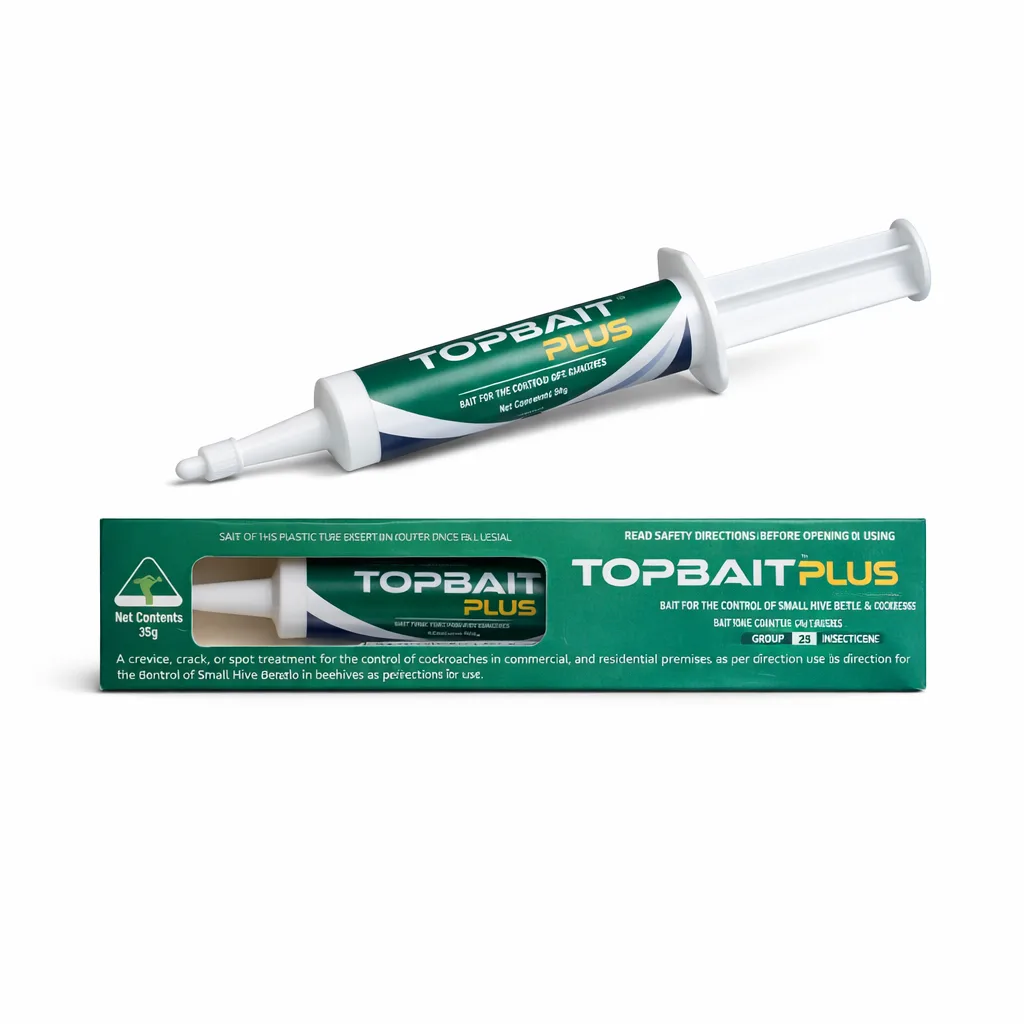
Where you place cockroach gel bait matters as much as the bait itself. The aim is to put small, accessible-to-cockroaches spots close to harbourages and travel routes, while keeping the product away from people, pets, food and food-contact surfaces. Topbait Plus is a 35g syringe-style gel bait containing fipronil and is intended for German and American cockroach control in residential, commercial and industrial premises.
At a glance
Target Hidden Routes
Use small spots in protected cracks, crevices and cockroach travel routes.
Protect People
Keep bait away from food, food-contact surfaces, children and pets.
Treat Kitchen Gaps
Kitchens need treatment near appliances, plumbing and cabinet gaps.
Check Wet Areas
Bathrooms and laundries require dry placements near concealed pipework.
Monitor Bait
Inspect placements and reapply only according to the product label.
Before placing the bait
Start by looking for evidence of activity: droppings, shed skins, egg cases, live cockroaches and greasy marks. Pay particular attention to warm, dark and damp areas near food, water and shelter. Clean away crumbs and food residue, repair leaks where practical, and reduce clutter so cockroaches have fewer alternative food sources.
Use the syringe to apply small spots in cracks, crevices and other inaccessible areas. The product page recommends approximately one to three spots per square metre, with spot size around 3–4mm; follow the current product label for the application rate, placement restrictions and any situation-specific directions. Do not smear the gel across open surfaces or apply it where it may be touched during normal use.
Kitchen and food-preparation areas
Kitchens commonly provide the combination of food, moisture and shelter that supports cockroach activity. Place bait near likely harbourages rather than on benches or inside cupboards where food and utensils are stored.
- Behind or beneath refrigerators, freezers, dishwashers and other appliances, where the space is inaccessible and activity is evident.
- Along gaps beside kickboards, cabinetry and plumbing penetrations.
- Inside cracks around sinks and pipe entry points, provided the bait will remain dry and cannot contact food or food-contact surfaces.
- At the back or underside of fixed equipment, away from heat, cleaning activity and direct contact.
Never apply gel directly to food, preparation surfaces, cutting boards, shelves used for uncovered food or areas that are regularly wiped. In commercial kitchens, coordinate treatment with cleaning and food-safety procedures, and use only placements permitted by the label.
Bathroom and laundry
Bathrooms and laundries offer water, warmth and concealed gaps. Inspect around pipework, cabinetry and appliances, then place small spots in protected cracks rather than on exposed floors or walls.
- Around plumbing penetrations beneath sinks and laundry tubs.
- Behind toilets and along concealed pipe routes.
- Beside washing machines, dryers and utility cabinetry where cockroaches can hide.
- In gaps around skirting, cupboards and wall junctions, provided the area is dry and inaccessible to children and pets.
Avoid locations that are routinely flooded, washed or exposed to steam. Moisture and cleaning products can remove the bait or make the placement unsuitable.
Living rooms and bedrooms
These rooms may have less food, but cockroaches can travel through wall voids, floor gaps and furniture bases. Treat only where there is evidence of activity or a clear route from an infested area.
- Behind or beneath heavy furniture that is rarely moved.
- Along gaps at skirting boards and around service penetrations.
- Near shared walls, door thresholds or concealed routes adjoining kitchens and bathrooms.
- Inside inaccessible cracks around built-in cabinetry.
Do not place bait on open carpet, bedding, children’s furniture, pet areas or surfaces that are frequently handled. If a crack is reachable by a child or animal, choose a different placement or obtain professional advice.
Garages, workshops and storage areas
Garages and storage spaces can harbour cockroaches where cardboard, clutter, rubbish and stored equipment create shelter. Reduce hiding places before treating, and keep bait away from stored food, animal feed and frequently handled items.
- Along wall-floor junctions and behind fixed shelving.
- Near plumbing, drains and utility penetrations where activity is present.
- Behind refrigerators, bins or equipment that is not routinely moved.
- Inside protected gaps around doors and cabinetry.
Do not apply gel to dusty, greasy or wet surfaces, or to electrical equipment where application could create a shock hazard. Use only inaccessible placements permitted by the label.
Inspecting and maintaining placements
Check treated areas regularly without disturbing the bait unnecessarily. If a spot has been consumed or removed, reapply only as directed on the label. Remove accessible or contaminated bait, clean accidental spills according to the label and safety data sheet, and wash hands after handling.
Gel bait works best as part of an integrated treatment: improve sanitation, fix leaks, seal unnecessary gaps and remove clutter. If activity continues despite correctly placed bait, or if the infestation is extensive, a licensed pest professional can help identify concealed harbourages and develop a broader treatment plan.
Safety essentials
- Keep the syringe and placed bait away from children and pets.
- Do not apply to food, food-preparation areas or food-contact surfaces.
- Store the product securely in its original container and follow label storage directions.
- Read the product label and safety data sheet before use, and follow them over general guidance.
 Mosquito Traps