


Wax Dipping vs Bee Box Primer: Which Fits Your Apiary?

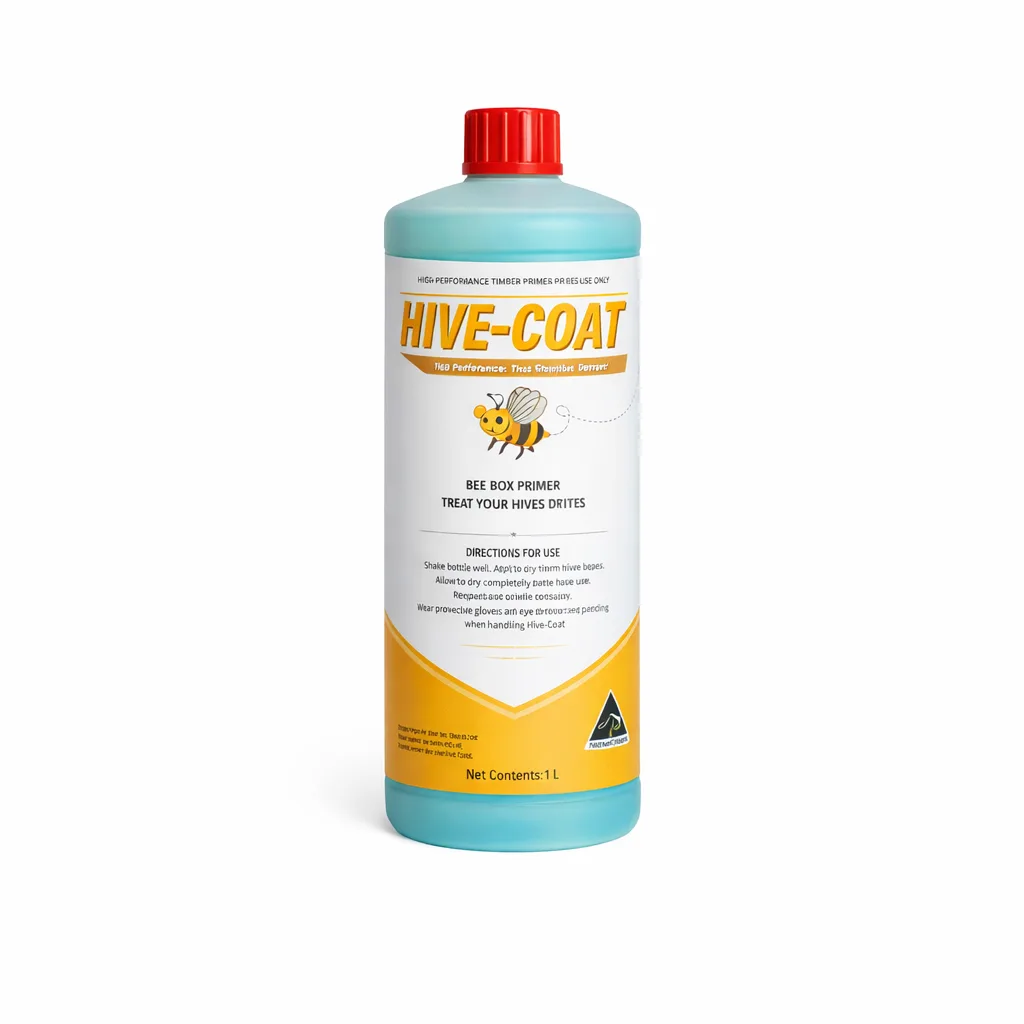
Choosing between wax dipping and a bee box primer depends on your apiary’s scale, equipment and preferred workflow. Wax dipping remains a familiar way to treat timber hive components, while HiveCoat Bee Box Primer provides a polymer-based alternative that can be applied without a heated wax-dipping setup.
At a glance
Polymer-Based Coating
HiveCoat uses a nano-particle polymer formulation for timber bee boxes.
Three Application Methods
The 1L primer can be applied by brush, spray or cold dipping.
Heated Wax Setup
Wax dipping requires suitable heated equipment and safe handling procedures.
Prepare Timber First
Clean, dry timber should be prepared before applying the primer.
Check Current Instructions
Drying and coverage details should be confirmed on the current product label.
Wax dipping and primer: the basic difference
Wax dipping involves immersing timber hive boxes in heated wax so the material is treated throughout the dipping process. It can suit beekeepers with the appropriate equipment, space and safe procedures for handling heated wax.
A bee box primer takes a different approach. HiveCoat is described as a nano-particle polymer primer for timber bee boxes and is supplied in a 1L container. Rather than heating wax, the coating is applied to suitable clean, dry timber surfaces.
When wax dipping may fit
Wax dipping can be a practical choice for an apiary that already has the required equipment and a repeatable process for preparing multiple boxes. It may also fit beekeepers who prefer a traditional treatment method and are comfortable managing the heat, workspace and handling requirements involved.
However, wax dipping requires more than the wax itself. The process needs suitable heating and dipping equipment, enough room to handle hive components safely, and a method for allowing treated timber to cool and be managed before use. These practical requirements can be significant for a small apiary or a beekeeper preparing only occasional replacement boxes.
When a bee box primer may fit
HiveCoat may suit beekeepers looking for an alternative to wax dipping, particularly where heated dipping equipment is unavailable or not part of the apiary workflow. Its application options include brush, spray or cold dipping, so the method can be selected according to the equipment and quantity of timber being treated.
- Brush application: useful for individual hive components, smaller jobs or targeted coverage.
- Spray application: may help cover multiple timber surfaces efficiently when suitable equipment is available.
- Cold dipping: offers a dipping-style approach without relying on a heated wax bath.
The product information describes HiveCoat as an Australian-made bee box primer and reports trials involving more than 300 hives over five years. Those product claims should be considered alongside the current label and application instructions for the specific container supplied.
Comparing the workflow
The main difference is the preparation process. Wax dipping centres on heated wax and immersion. HiveCoat centres on preparing the timber, applying an even polymer coating and allowing it to dry as directed.
For either method, timber preparation matters. Hive components should be clean and dry before treatment, and the coating or wax should be applied consistently across the relevant surfaces. With HiveCoat, the manufacturer’s or product label’s instructions should determine drying time, coverage, recoating and any handling requirements.
Which option suits your apiary?
Wax dipping may be the better fit when you already operate a suitable heated dipping system, prepare large batches regularly and prefer that established process. It is less attractive when equipment, heat management or workspace are limiting factors.
A bee box primer may be the more practical fit when you want a flexible treatment method, are preparing a smaller number of boxes or prefer to avoid a heated wax process. The 1L HiveCoat pack is positioned for routine hive-component preparation and maintenance, although actual coverage depends on the timber, application method and coating thickness.
Using HiveCoat responsibly
Apply HiveCoat only to suitable clean, dry timber surfaces and follow the current product label. Use appropriate ventilation and personal protective equipment for the selected application method. Keep the container closed when not in use and store it securely away from children, food and incompatible materials.
Allow treated components to dry as directed before assembling the boxes or placing them into service. If you need exact coverage, drying time or recoat guidance, confirm those details from the label or current manufacturer instructions rather than estimating from the pack size.
Bottom line for buyers
Wax dipping and bee box primer are not identical processes, so the right choice depends on how your apiary operates. Wax dipping can suit established batch-treatment setups, while HiveCoat offers a 1L, nano-particle polymer coating that can be brushed, sprayed or cold dipped as an alternative to wax dipping timber bee boxes.
 Mosquito Traps