


How to Apply HiveCoat to Timber Beehive Boxes: Brush, Spray or Cold Dip?

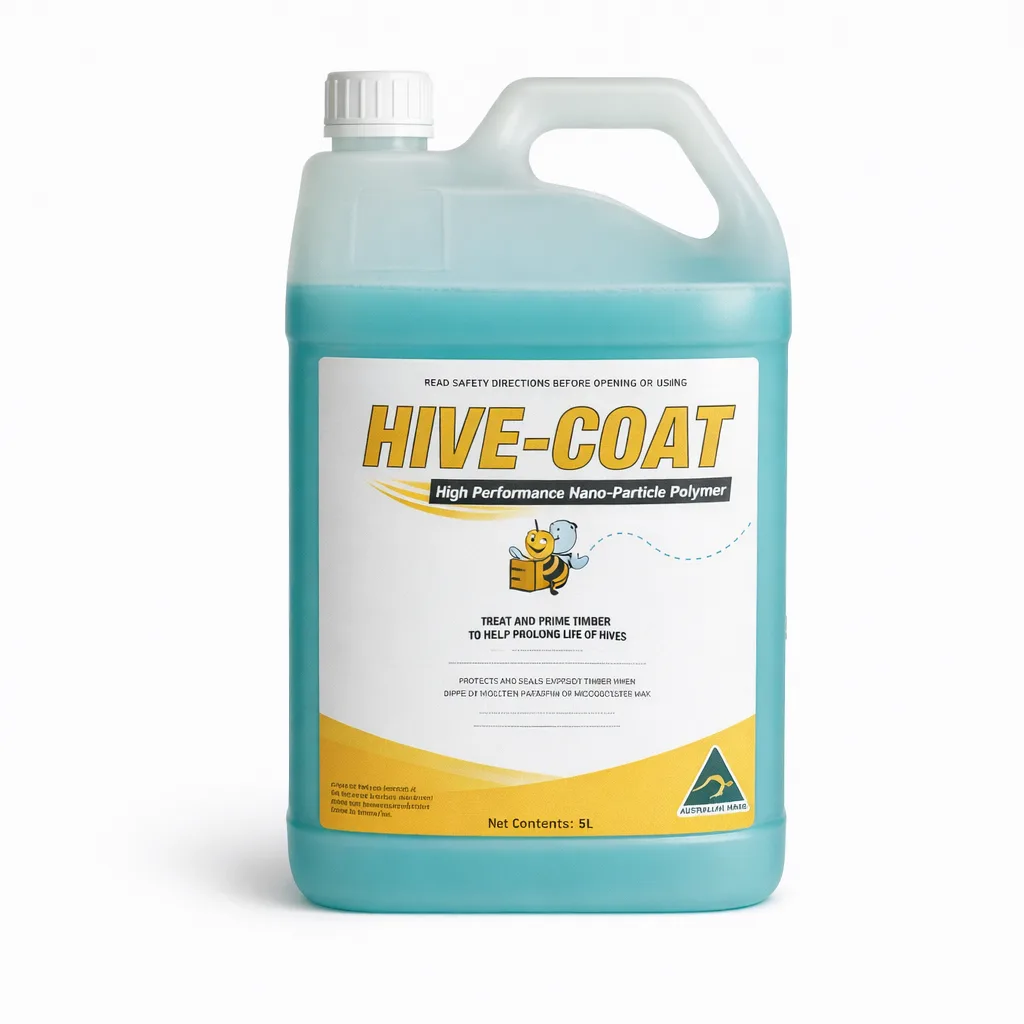
Applying HiveCoat to timber beehive boxes involves more than choosing a coating method. The timber should be prepared first, the application method matched to the size of the job, and the coating allowed to dry according to the product label before the box is placed into service. HiveCoat Bee Box Primer 5L is intended for preparing timber bee boxes as a cold-applied alternative to wax dipping.
At a glance
Prepare Timber First
Prepare and clean timber surfaces before applying the primer.
Brush for Control
Brush application provides controlled coverage for individual components.
Spray Larger Runs
Spraying suits larger jobs when ventilation and protection are suitable.
Cold Dip Option
Cold dipping avoids the need for a heated wax bath.
Dry Before Service
Follow the label and allow adequate drying before use.
Prepare the timber first
Begin with clean, sound timber hive components. Remove loose material, dust, dirt and other surface contamination, then prepare the box surfaces as directed on the current HiveCoat label. Pay particular attention to end grain and joins, where exposed timber may require thorough coating.
Work in a suitable area with adequate ventilation. Protect nearby surfaces from overspray or spills, and use personal protection appropriate to the selected application method. Do not begin until you have checked the label for preparation, handling, drying and storage instructions.
Method one: brush application
Brushing is the most controlled option for individual boxes, repairs or smaller preparation jobs. It allows you to work methodically across the timber and reach edges, corners and exposed ends without needing spraying equipment.
- Load the brush with enough product to maintain an even coat without excessive runs.
- Work systematically over the outside surfaces and exposed timber ends.
- Check corners, joints and end grain before moving to the next component.
- Keep the coating consistent and avoid leaving uncoated patches or heavy pools.
Brush application can be useful when treating a small number of boxes or when the work area does not suit spraying. Coverage will vary with timber condition, porosity, surface preparation and the amount applied, so the 5L pack should not be assigned a fixed area figure without product-specific coverage information.
Method two: spray application
Spraying can suit larger preparation jobs when compatible equipment and a suitable work area are available. It can help apply the primer efficiently across multiple components, but it requires greater control of overspray, ventilation and personal protection.
- Set up on a protected surface and keep unintended areas clear.
- Use spray equipment suitable for the product and follow the label directions.
- Apply in a controlled, even manner rather than creating heavy wet patches.
- Inspect edges, corners and timber ends after spraying and touch up any missed areas.
Spraying is not automatically the best choice for every workshop. Wind, poor ventilation, nearby equipment and the risk of overspray can make brushing more appropriate. Only spray where the work area and protective measures are suitable.
Method three: cold dipping
Cold dipping provides another way to coat timber hive components without heating a wax bath. It can be practical when several compatible components need treatment and a suitable dipping setup is available.
- Use a clean container large enough for the component being treated.
- Submerge the timber as directed by the product instructions.
- Allow excess product to drain back into the container where appropriate.
- Inspect the component for missed areas, runs or uneven coverage.
Cold dipping is different from traditional hot wax dipping: it does not involve heating wax, but the timber still needs correct preparation and sufficient drying time. Avoid contaminating the product with dirt, loose timber fibres or other materials.
Allow the coating to dry
After application, place treated components where they can dry under conditions suitable for the product. Do not rely on touch alone to decide whether a box is ready. Follow the current label instructions for drying requirements and any limitations before placing the box into service.
Reported HiveCoat trials covered more than 300 hives over five years, with results including sealed timber ends, resistance to box rot and bees not stripping the coating. These are reported trial outcomes rather than a guarantee for every box; results can depend on timber condition, preparation, application and drying.
Choosing the right method
For a small number of boxes, brushing offers control and simple equipment requirements. Spraying may be more efficient for a larger preparation run, provided the workspace, equipment and protective measures are appropriate. Cold dipping can be useful for treating components without a heated wax bath, but it requires a suitable container and a method for handling wet timber safely.
The 5L HiveCoat pack is intended for preparing multiple timber hive components or boxes. Whichever method you choose, read the label before use, keep the product away from children and animals, clean equipment as directed, and store or dispose of the remaining product and container according to the instructions.
 Mosquito Traps