


Pre-Emergent vs Post-Emergent Herbicide


Pre-Emergent vs Post-Emergent Herbicide: Which One Should You Use?
If weeds are already growing in your lawn, should you use a pre-emergent or post-emergent herbicide?
It sounds simple, but choosing the wrong type is one of the easiest ways to waste money on weed control.
The key difference comes down to what stage the weed is at.
What Is the Difference Between Pre-Emergent and Post-Emergent Herbicide?
The easiest way to remember it is:
Pre-emergent = before weeds become established.
Post-emergent = after weeds have emerged and are growing.
A pre-emergent herbicide targets susceptible weeds during germination.
A post-emergent herbicide is applied to weeds you can already see.
That means the first question you should ask isn’t: “Which weed killer is stronger?”
It is: “Has the weed already emerged?”
Will Pre-Emergent Kill Weeds That Are Already Growing?
Generally, no.
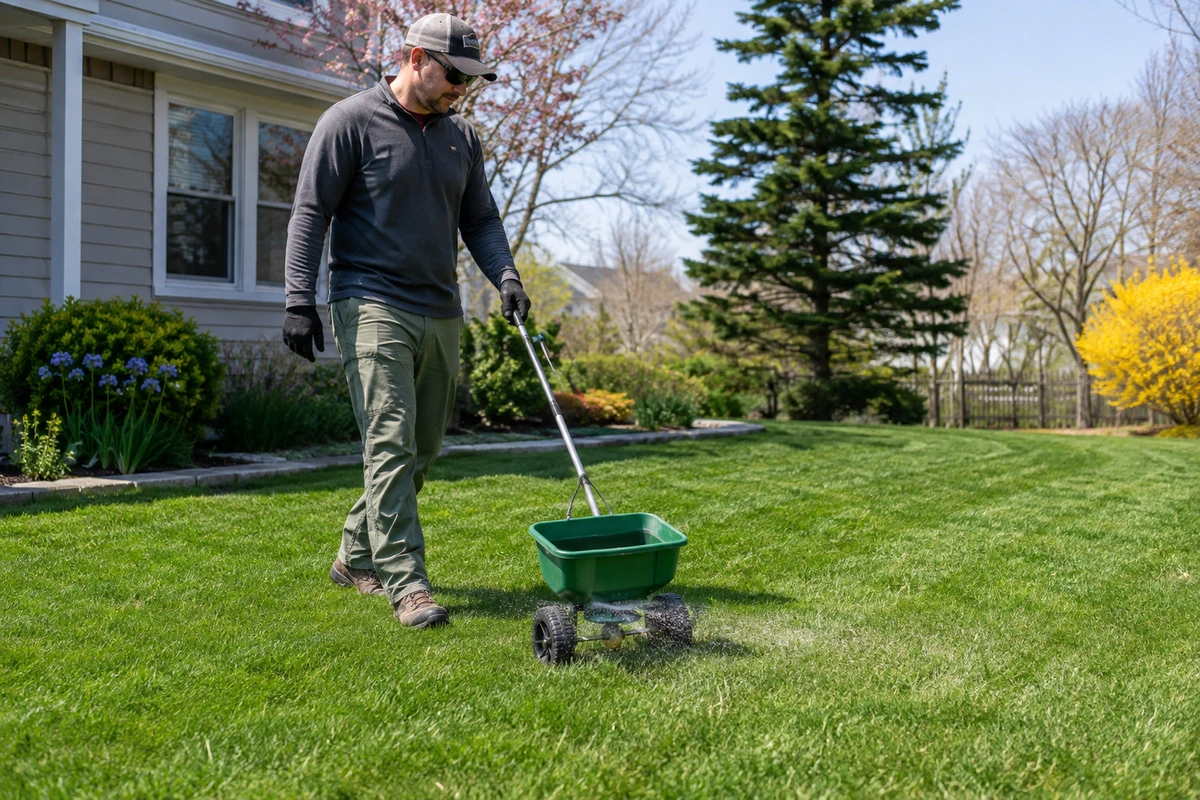
A product such as Spartan Pre-Emergent Herbicide is designed to help prevent weeds such as Summer Grass, Crabgrass and Crowsfoot before they establish. If those weeds are already mature and visible, applying a pre-emergent will not suddenly remove them. That is when post-emergent herbicides become relevant.
When Should I Use a Pre-Emergent?
Use a pre-emergent when:
- the lawn is established
- the same annual weeds return each year
- the target weeds have not yet germinated
- you know the approximate germination period
- you can apply and activate the treatment correctly
A pre-emergent is particularly useful when your weed problem is predictable.
If you know Summer Grass appears every spring or summer, there is little reason to wait until the lawn is covered in it before taking action.
When Should I Use a Post-Emergent Herbicide?
Post-emergent herbicides are designed for weeds that are already growing. For example, Bow & Arrow Herbicide is used against existing broadleaf weeds such as Bindii, Clover and Creeping Oxalis in compatible turf. This is where correct weed identification becomes important. A product designed for broadleaf weeds may not control grassy weeds. A herbicide designed for Summer Grass may not control Nutgrass. And a product that is safe on one lawn variety may not necessarily be safe on another. Always check both the target weed and compatible turf species.
Can I Use Pre-Emergent and Post-Emergent in the Same Season?
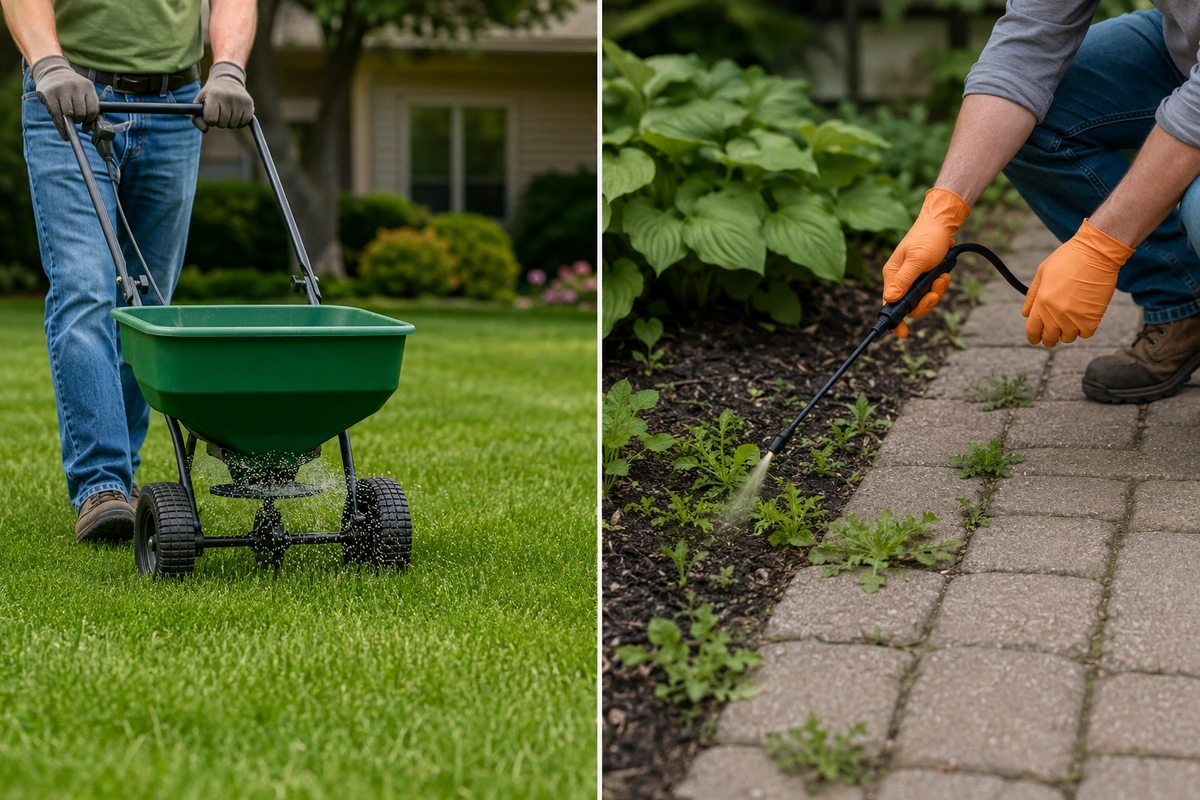
Yes, depending on the products and label directions. The two approaches are not necessarily competitors. Imagine Summer Grass has already appeared in one section of your lawn. A suitable post-emergent treatment could address those existing plants.
Meanwhile, a properly timed pre-emergent program may help reduce further germination.
So in some situations, a complete weed-control program involves: Post-emergent treatment for today’s weeds + pre-emergent prevention for tomorrow’s weeds.
What Happens If I Apply Pre-Emergent Too Late?
Once the weeds have germinated, a pre-emergent cannot turn the clock back.
It may still help prevent later-germinating seeds, but you will normally need another approach for the plants already established.
This is why timing matters so much.
For recurring annual weeds, knowing when they appeared last year can help you plan better this year.
Which One Should I Choose?
| Situation | Better starting point |
|---|---|
| No weeds yet, but they return every season | Pre-emergent |
| Weeds are already visible | Post-emergent |
| Existing weeds plus more likely to germinate | Potentially both |
| You cannot identify the weed | Identify it first |
Is Pre-Emergent Better Than Post-Emergent?
No. They solve different problems.
A pre-emergent rewards planning and prevention.
A post-emergent deals with an existing weed problem.
The best lawn-care strategy often uses both concepts at different times rather than expecting one product to do everything.
The question to remember is simple:
Is the weed already growing, or am I trying to stop it before it starts?
 Mosquito Traps