


HiveCoat vs Wax Dipping: Which Bee-Box Protection Method Suits Your Operation?

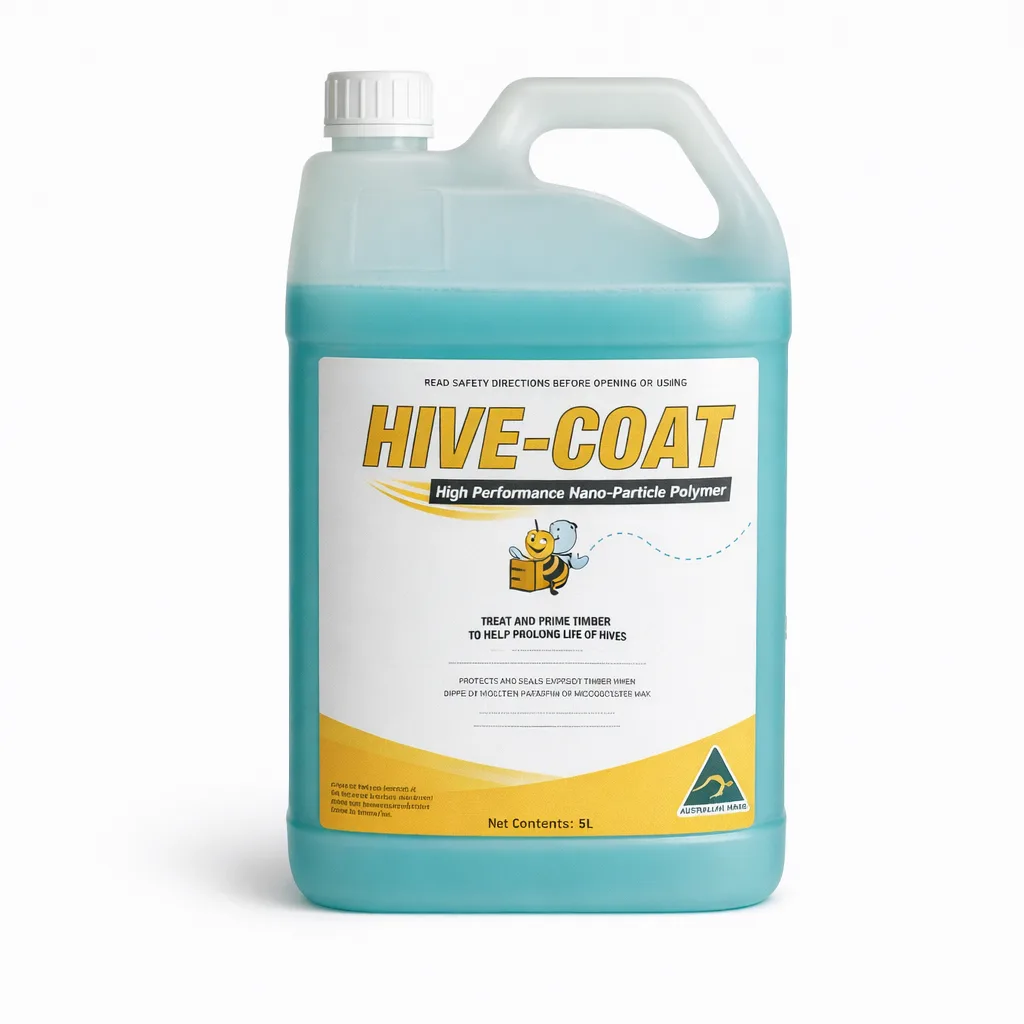
Choosing between HiveCoat and hot wax dipping comes down to how your operation handles equipment volume, application setup and ongoing hive maintenance. HiveCoat Bee Box Primer 5L is designed for preparing timber beehive boxes as a wax-dipping alternative, while hot wax dipping remains a separate process that relies on heated wax and dedicated equipment.
At a glance
Three Application Methods
HiveCoat can be brushed, sprayed or cold dipped onto timber bee boxes.
Useful 5L Pack
The 5L pack is intended for preparing multiple hive components or boxes.
Wax Needs Equipment
Wax dipping requires a heated bath and suitable handling procedures.
Reported Trial History
Reported trials covered more than 300 hives over five years.
HiveCoat at a glance
HiveCoat is a timber beehive box primer supplied in a 5L pack. It can be applied by brush, spray or cold dipping, giving beekeepers several ways to treat timber components without installing or operating a heated wax bath.
The product information reports trials across more than 300 hives over five years, including sealed timber ends, protection against box rot and boxes where bees did not strip the coating. These are reported trial outcomes rather than a guaranteed service life, so results will still depend on timber condition, preparation, application and drying.
How wax dipping differs
Hot wax dipping involves immersing timber hive equipment in heated wax. The process requires a suitable tank, controlled heating and safe handling of hot material. That setup can make sense for a larger operation that treats many boxes and already has the equipment, space and procedures to manage the process.
For smaller apiaries or workshops without a dipping tank, hot wax dipping can add substantial preparation and safety requirements. Boxes must also be handled, positioned and removed from the bath carefully. The method is therefore not simply a different coating choice; it is a different workflow.
Comparing the two methods
- Application setup: HiveCoat uses brush, spray or cold dipping. Wax dipping requires a heated wax bath and suitable handling procedures.
- Scale: The 5L HiveCoat pack is intended for preparing multiple hive components or boxes. Wax dipping may become more practical when an operation has high volumes and the necessary tank is already available.
- Workshop flexibility: HiveCoat can be matched to the equipment available, from controlled brush application to spraying or cold dipping. Wax dipping is tied to the capacity and configuration of the wax tank.
- Heat-related hazards: HiveCoat avoids the need to heat wax for the coating step. Hot wax dipping introduces heated material and requires appropriate ventilation, protective equipment and fire-safety controls.
- Surface preparation: Neither method removes the need to prepare sound, clean timber. HiveCoat surfaces should be prepared according to the label, while wax dipping also depends on suitable timber and correct process control.
Which suits a smaller apiary?
HiveCoat is likely to suit beekeepers who maintain a modest number of boxes, prepare equipment in stages or want to avoid purchasing a wax-dipping tank. Brush application can provide control when treating individual boxes or components, while cold dipping may be useful when a consistent immersion method is preferred without heated wax.
The 5L size can also suit an operation that wants one working pack for several preparation jobs rather than treating boxes through a single large batch. Coverage is not fixed: it depends on the application method, timber condition and amount applied.
When wax dipping may be preferable
Hot wax dipping may suit a commercial or high-volume operation with enough equipment, workspace and trained handling procedures to make the process efficient. It can also be attractive where the operator already has an established wax-treatment workflow and can manage the associated heat and maintenance requirements.
However, wax dipping should not be selected solely because it sounds more durable. The outcome depends on the wax system, temperature control, immersion process, timber and workmanship. A properly managed process and a poorly controlled process should not be treated as equivalent.
Practical HiveCoat workflow
- Inspect the timber and prepare the hive-box surfaces as directed on the product label.
- Select brushing, spraying or cold dipping according to the number of components, available equipment and work area.
- Apply the product using suitable ventilation and personal protection for the chosen method.
- Allow the coating to dry and follow the label instructions before placing the treated box into service.
- Clean equipment and store remaining product according to the label.
Making the decision
Choose HiveCoat when flexibility, lower equipment complexity and cold application are important factors. Choose hot wax dipping when your operation has the required tank, safety controls and throughput to justify a heated process. For either method, inspect boxes regularly and base the decision on the condition of the timber, the scale of the apiary and the procedure your team can apply consistently.
HiveCoat Bee Box Primer 5L is not presented as a general-purpose household primer. It is specifically intended for preparing timber beehive boxes as an alternative to wax dipping, with application options suited to different beekeeping setups.
 Mosquito Traps