


Brush, Spray or Cold Dip? Choosing a Bee Box Primer Method

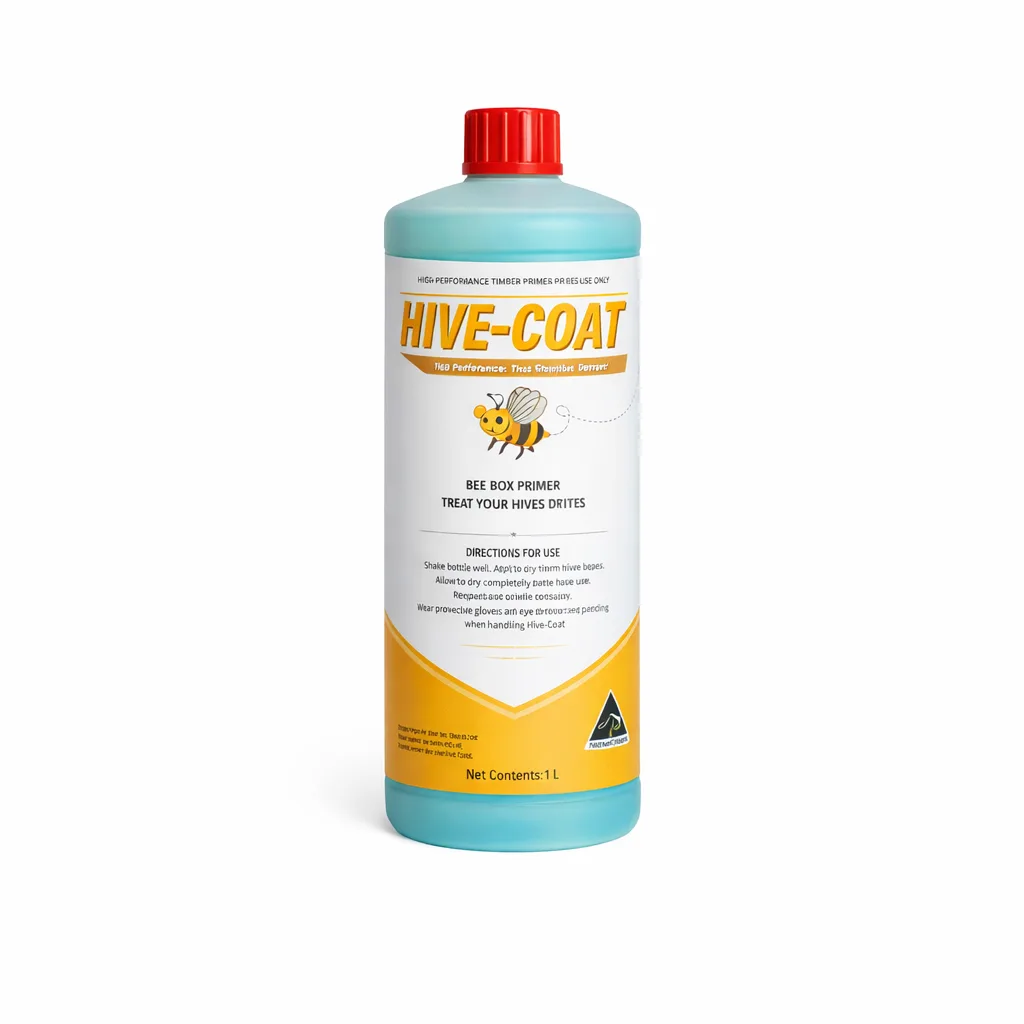
Choosing how to apply bee box primer affects preparation time, equipment needs and how easily you can cover hive components. HiveCoat Bee Box Primer 1L is a nano-particle polymer coating for timber bee boxes and can be applied by brush, spray or cold dipping, giving beekeepers several practical alternatives to wax dipping.
At a glance
Brush For Control
Brush application suits small batches and gives direct control over coverage.
Spray For Batches
Spraying can help process multiple hive components efficiently.
Cold Dip Alternative
Cold dipping avoids the need for a heated wax-dipping process.
Prepare Timber First
HiveCoat is designed for clean, dry timber bee box surfaces.
Convenient One-Litre Pack
The 1L pack suits routine hive-component preparation and maintenance.
Choose the method that suits the job
There is no single best application method for every beekeeper. The right choice depends on the number of boxes being treated, the equipment available and how much control you want over individual surfaces.
For one box, replacement parts or occasional maintenance, brushing is usually the most straightforward approach. Spray application can be more efficient when preparing several components, while cold dipping may suit batch work where boxes or parts can be immersed safely and consistently.
Brush application
A brush is a practical choice for small jobs because it requires minimal equipment and allows close control over the coating. It can be useful when preparing individual hive components, working around joints or reaching areas that need extra attention.
- Suitable for small batches and routine maintenance.
- Allows direct control over coverage and difficult areas.
- Useful where spray equipment is unavailable.
- Can take longer when treating many boxes or large surfaces.
Before brushing, prepare clean, dry timber and apply an even coat across the surfaces to be treated. Avoid leaving heavy pools of product in corners or along edges. The label and current manufacturer instructions should determine drying time and whether further coating is required.
Spray application
Spraying may help cover multiple timber surfaces efficiently, particularly when several boxes are being prepared at once. It can provide a consistent application when the equipment is suitable and correctly adjusted for the product.
- Useful for larger batches of hive components.
- Can cover broad surfaces efficiently.
- Requires compatible spray equipment and suitable application conditions.
- Needs careful attention to ventilation, overspray and personal protection.
Spraying is best considered when you already have appropriate equipment and a controlled work area. Apply an even coat rather than trying to build excessive thickness in one pass. Protect nearby surfaces from overspray and follow the product label for equipment handling, ventilation and cleanup requirements.
Cold dipping
Cold dipping offers a different way to coat timber without using a heated wax-dipping process. Components are immersed in the primer rather than coated solely with a brush or spray, which may suit beekeepers preparing batches of suitable hive parts.
- Provides an alternative to heated wax dipping.
- May suit repeated batch preparation.
- Requires a suitable container and a safe method for handling the product.
- Parts must be positioned and drained carefully to avoid uneven buildup.
Cold dipping should be carried out only where the timber components and equipment can be handled safely. Ensure the surfaces are clean and dry before immersion, then allow excess product to drain as appropriate. Follow the current instructions for drying before assembly or use.
Which method is best?
Use a brush when simplicity, control and occasional application matter most. Choose a spray when you have suitable equipment and want to process several surfaces efficiently. Consider cold dipping for batch preparation and as an alternative to a heated wax-dipping workflow.
HiveCoat is supplied in a 1L container, making it a convenient option for routine hive-component preparation and maintenance. Coverage depends on the timber, application method and coating thickness, so it should not be estimated from the pack size alone.
Preparation matters more than the tool
Whichever method you select, clean and dry timber is an important starting point. Remove dirt and loose material before applying the primer, and plan the work so treated components can remain undisturbed while the coating dries.
Use appropriate ventilation and personal protective equipment for the selected method. Keep the container closed when not in use, store it securely away from children, food and incompatible materials, and do not place treated hive components into service until the coating has dried as directed.
At a practical glance
For most small-scale beekeepers, brushing is the easiest starting point. Spray application becomes more attractive as the number of boxes increases, while cold dipping is worth considering when a batch process is preferred. HiveCoat’s flexible application options let you choose the approach that fits your workspace and equipment without relying on heated wax dipping.
 Mosquito Traps